Memory Limitations Block Humanoid Robot Deployment Despite Hardware Progress
Industry Pulse News Desk · 2026-09-05
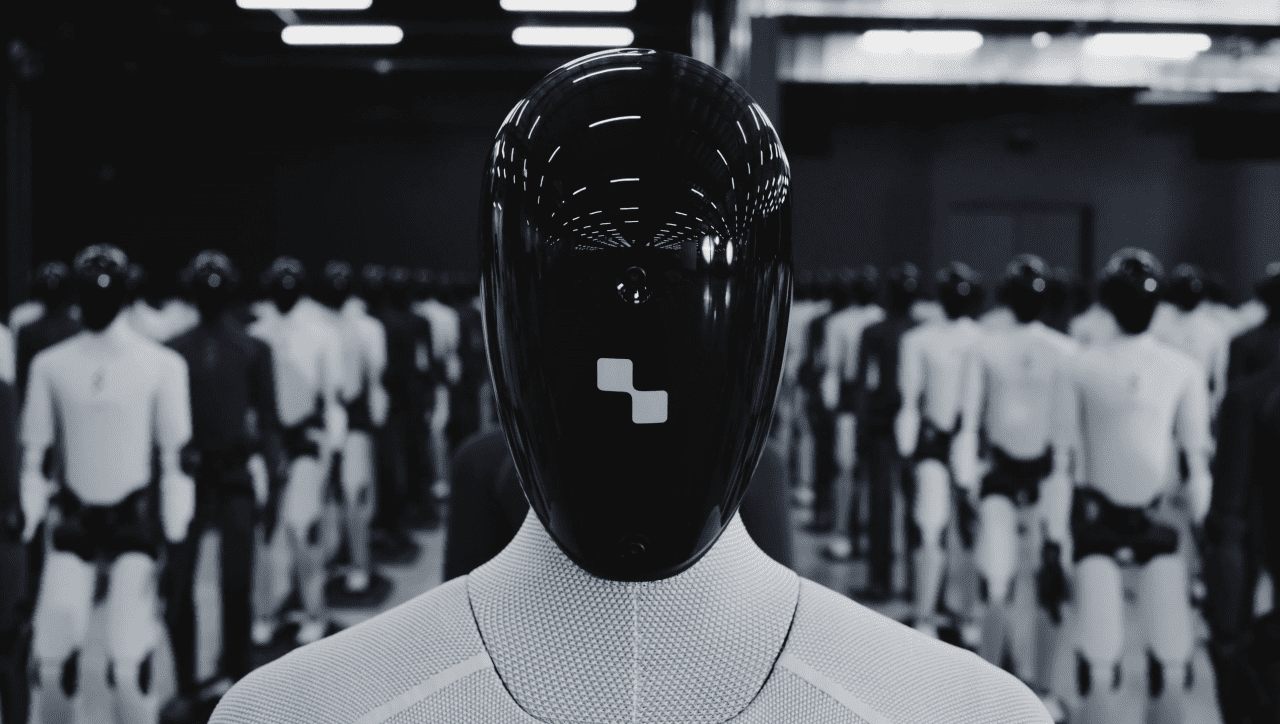
Advancements in cognitive memory architecture are becoming essential for humanoid robots to retain data and learn from operational errors.
SAN FRANCISCO — The widespread deployment of humanoid robots across industrial and commercial sectors remains restricted by fundamental limitations in cognitive memory architecture, preventing these autonomous systems from effectively retaining operational data and learning from past errors.
While recent engineering advancements have significantly improved physical dexterity, balance, and locomotion, humanoid systems continue to struggle with long-term information retention. Current robotic frameworks rely largely on real-time sensory processing and pre-programmed parameters, leaving them unable to store experiential data needed to adapt to unfamiliar environments or correct repeated mistakes.
Technology developers are increasingly focusing on specialized memory architectures as the critical pathway to achieving true robotic autonomy. Emerging innovations include high-bandwidth processing-in-memory chips, persistent local storage layers, and adaptive neural networks designed to mimic human cognitive retention without relying entirely on remote cloud connections.
Industry researchers note that without robust on-board memory integration, humanoid units cannot reliably perform complex, multi-step tasks in dynamic settings such as manufacturing facilities, fulfillment centers, or healthcare institutions. The inability to recall past interactions or operational failures frequently results in stalled workflows and safety risks.
As capital investments shift from physical hardware design toward cognitive infrastructure, experts anticipate that memory system breakthroughs will dictate the timeline for scaling humanoid deployment over the coming decade.