Medical Experts Warn Excessive Sleep Tracking Can Trigger Orthosomnia
Industry Pulse News Desk · 2026-09-03
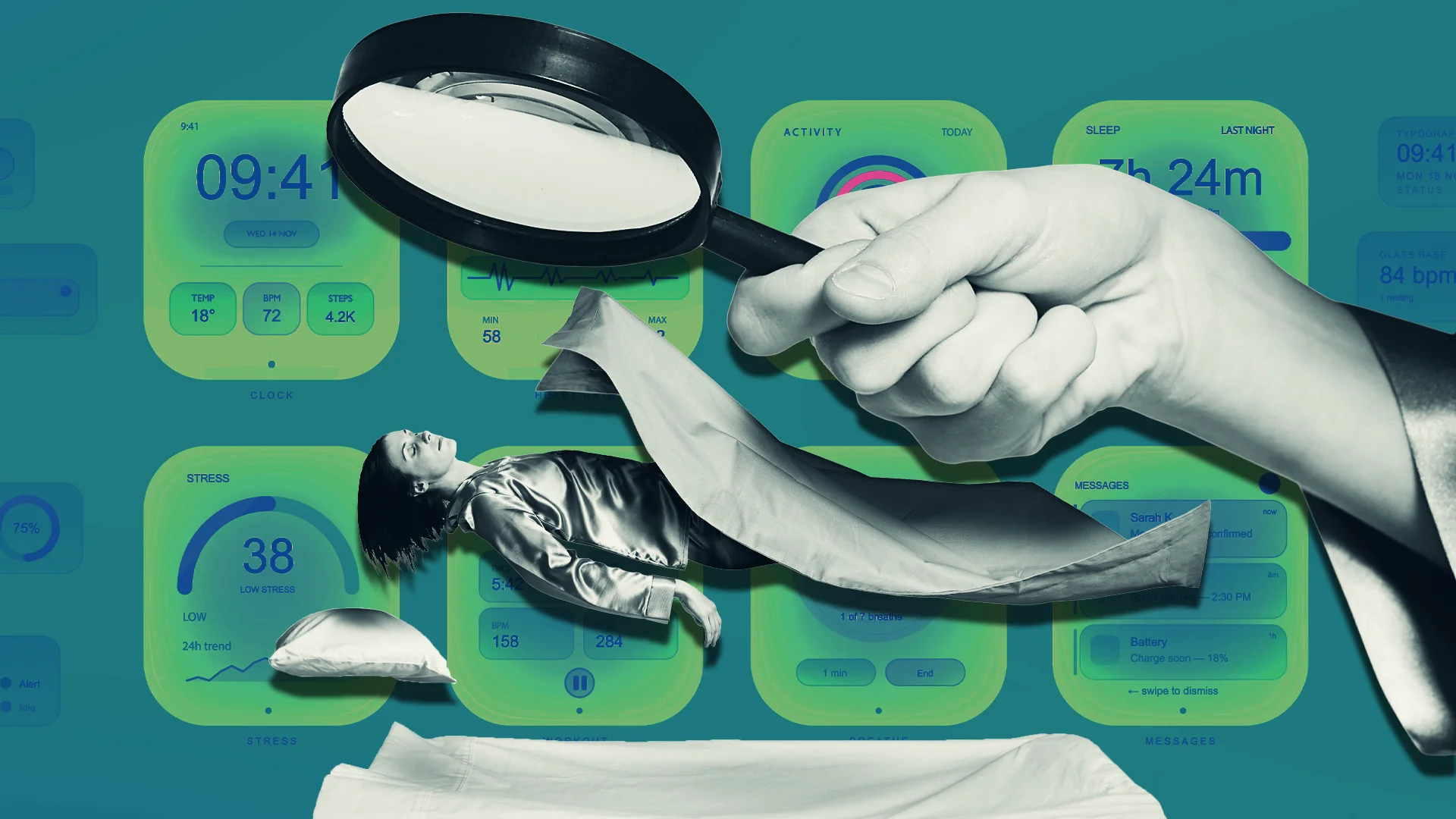
Health professionals advise individuals to reduce reliance on sleep-tracking devices to avoid anxiety driven by the pursuit of perfect sleep scores.
Health professionals are warning against the rising prevalence of orthosomnia, a condition characterized by an unhealthy obsession with achieving perfect sleep driven by digital tracking technology. The phenomenon, often linked to the trend known as sleepmaxxing, occurs when individuals experience heightened anxiety due to data generated by wearable fitness devices and smart monitors.
Medical specialists note that while consumer sleep trackers offer general insights into nighttime rest, their metrics are frequently imprecise. The constant monitoring of sleep stages, efficiency scores, and heart rate variability can lead users to fixate on suboptimal results, ironically causing the stress and insomnia they initially sought to prevent.
The surge in orthosomnia corresponds with the rapid adoption of health-monitoring wearables across global consumer markets. As wellness culture increasingly emphasizes optimized rest, clinical visits related to tracker-induced sleep anxiety have increased, prompting doctors to re-evaluate the utility of non-medical sleep devices.
To combat tracker-induced anxiety, specialists recommend establishing consistent bedtime routines and prioritizing how one feels upon waking rather than relying strictly on device readings. Experts advise removing electronic monitors from the bedroom if they generate worry or interfere with natural sleep patterns.
Public health guidance continues to highlight traditional sleep hygiene practices, including maintaining a cool, dark environment and limiting screen time before bed, as the most effective methods for achieving restful sleep without technological intervention.