Massive AI Infrastructure Spending Faces Key Operational Challenges
Industry Pulse News Desk · 2026-10-10
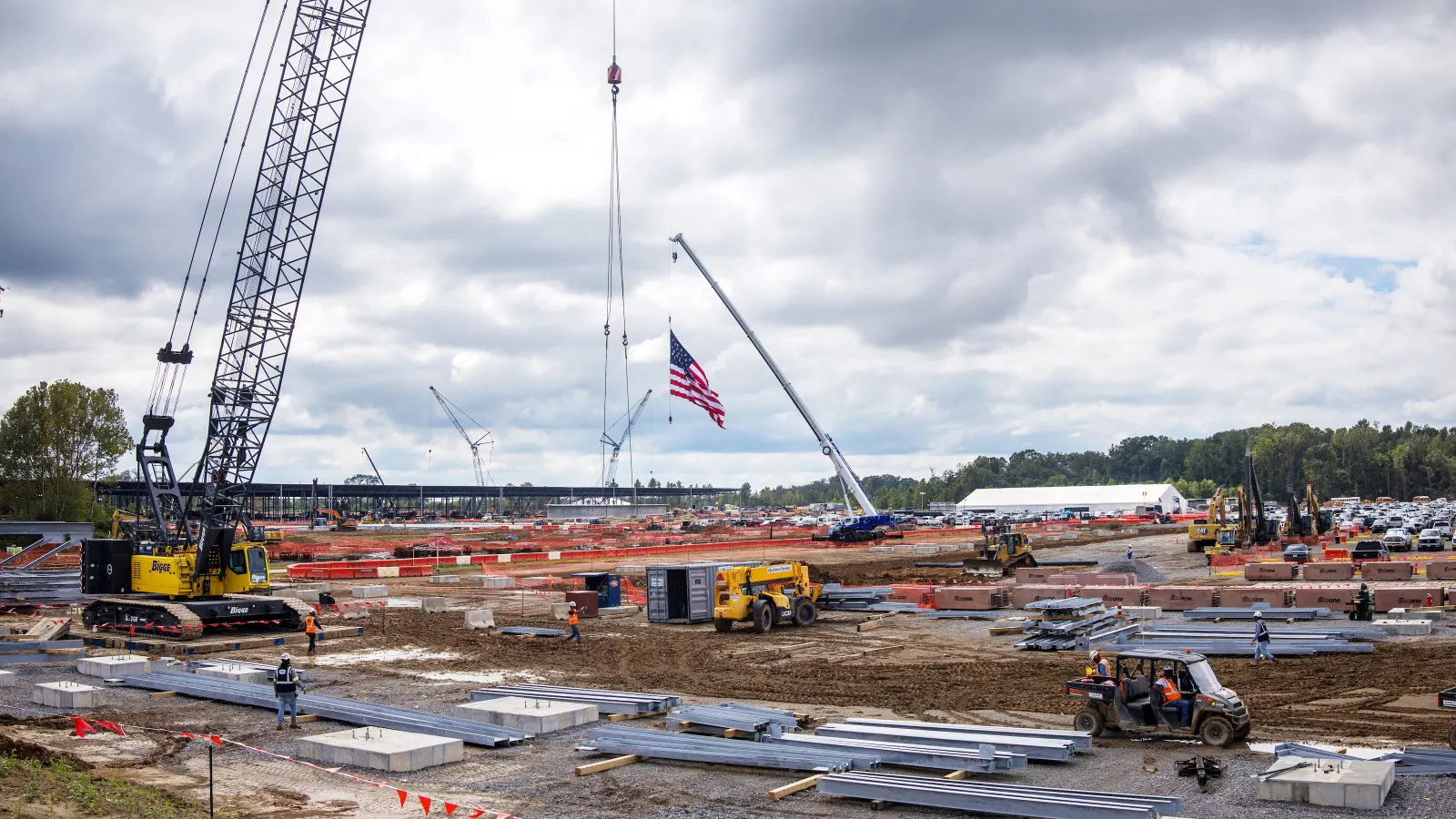
An estimated $6 trillion in artificial intelligence infrastructure spending will require critical supply chain and power alignment to yield financial returns.
Global capital expenditure for artificial intelligence infrastructure is projected to approach $6 trillion, though the sector's long-term financial returns remain tied to key operational hurdles. The massive influx of capital into specialized data centers and hardware manufacturing requires unprecedented expansion across supporting industries to justify current valuations.
Industry analysis indicates that four core operational factors will dictate whether these multi-trillion-dollar investments yield expected financial results. Peter Hanbury, a partner at global management consulting firm Bain & Company, highlighted that alignment across power access, manufacturing capacity, construction speeds, and software optimization will be essential.
Access to continuous electrical power stands as a primary bottleneck for new data center projects. Expanding computational facilities require vast amounts of electricity, putting strain on regional grids and forcing developers to secure dedicated energy sources amid prolonged equipment lead times and regulatory delays.
Advanced hardware production and facility construction also present significant logistical challenges. Semiconductor fabricators must rapidly scale output of specialized chips, while construction firms face ongoing shortages of skilled labor and critical infrastructure components needed to complete complex facilities on schedule.
Finally, technology enterprises must ensure that software integration keeps pace with physical deployment. To achieve projected returns on infrastructure spending, companies must efficiently monetize artificial intelligence workloads, turning raw computational capacity into viable enterprise products.