Manufacturers Face Scale Integration Hurdles Despite $150 Billion Tech Investment
Industry Pulse News Desk · 2026-09-05
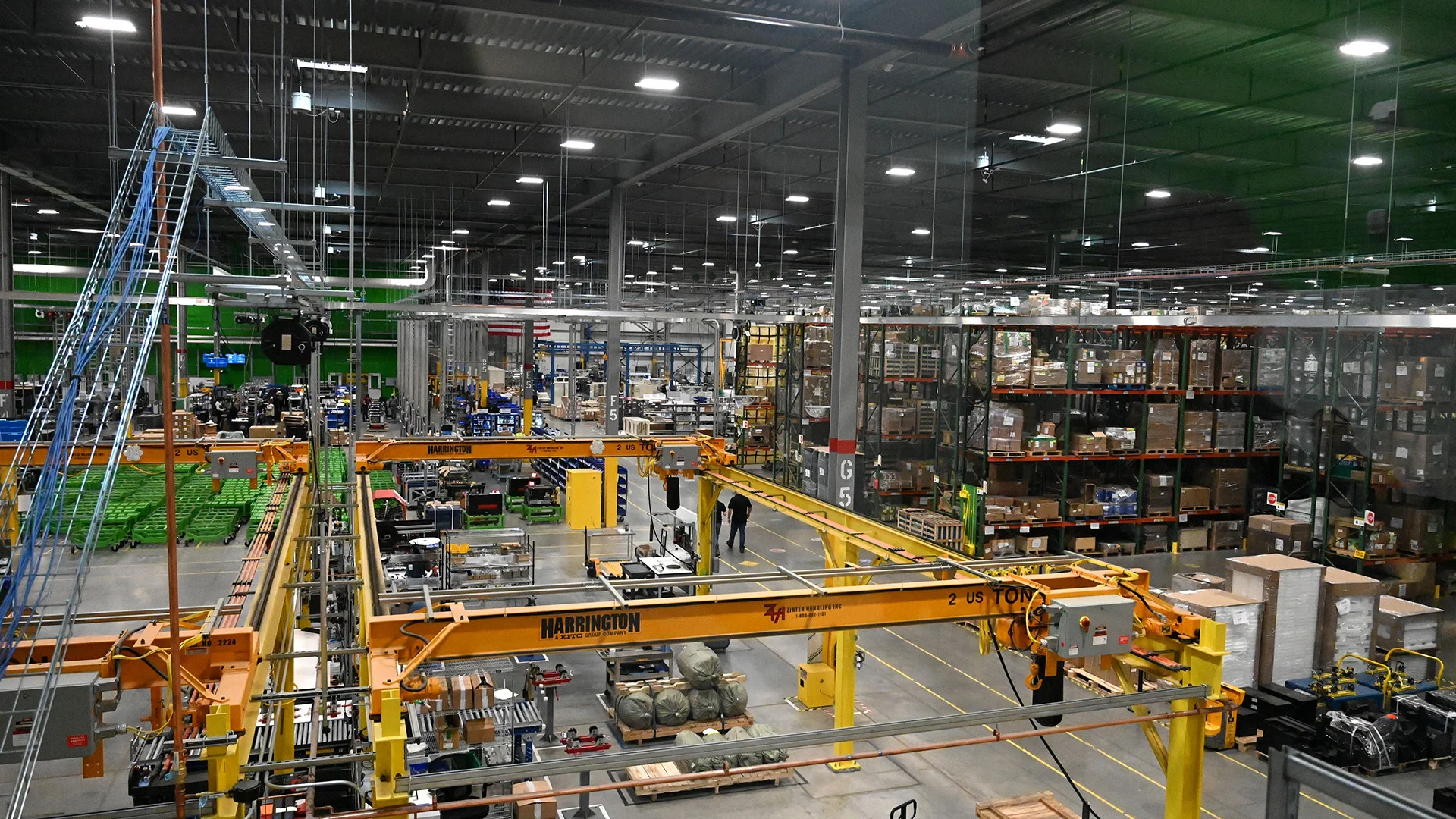
Global manufacturing firms are struggling to deploy advanced technologies across operations despite allocating massive capital toward digital transformation.
Global industrial manufacturers have committed an estimated $150 billion toward advanced technology integration, yet a vast majority of enterprise producers continue to struggle with deploying these tools at scale across their production networks.
Recent operational research indicates that while localized pilot programs frequently demonstrate success at individual facilities, expanding digital solutions enterprise-wide remains a primary obstacle. Legacy machinery, fragmented data infrastructure, and persistent workforce skill gaps continue to hamper broad technology adoption.
Technical analysts emphasize that many production facilities operate on legacy hardware that lacks the standardized communication protocols required for modern analytics platforms. Consequently, bridging the gap between physical machinery and cloud-based software demands extensive system re-engineering that often exceeds initial budget projections.
Organizational friction within manufacturing plants also contributes to widespread deployment delays. Site managers and frontline personnel often experience steep learning curves, necessitating dedicated change-management initiatives and continuous training programs to effectively transition to automated processes.
Furthermore, the absence of centralized data management creates information silos across different operational units. Without synchronized metrics, corporate decision-makers face difficulties verifying performance gains and justifying further capital expenditure across additional manufacturing sites.
To address these systemic barriers, industrial companies are increasingly prioritizing open-architecture software and unified data governance models prior to full-scale rollouts. Establishing clear technical baselines early in the digital transformation lifecycle remains critical for sustaining long-term operational efficiency.