
Industry Pulse News Desk · · 1h ago
Localities Weigh Stricter Data Center Controls Following Voter Backlash
Growing public opposition is prompting municipal and state officials to demand stronger infrastructure commitments and environmental oversight from facility developers.
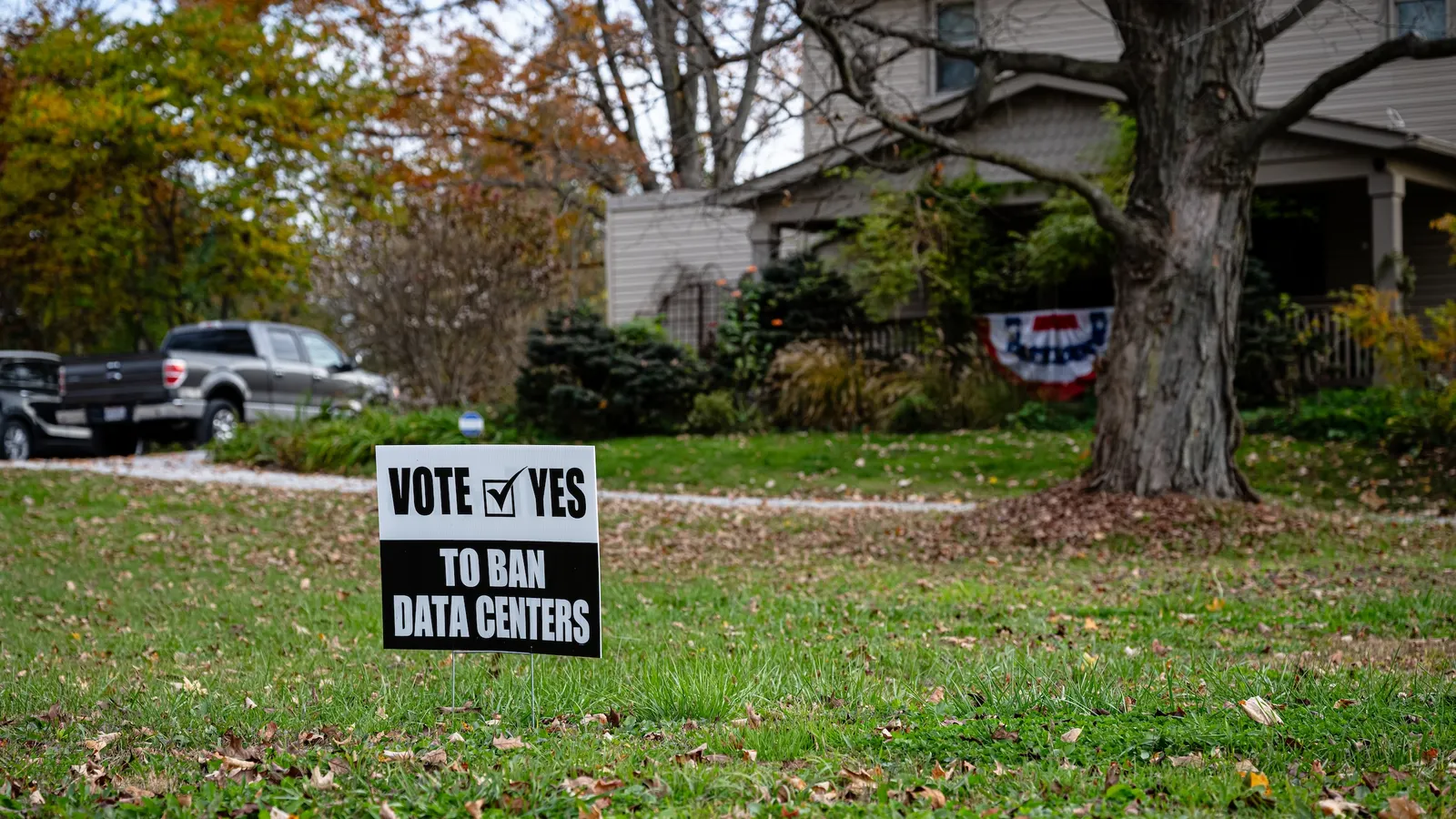
Local officials and state legislators across the country are facing mounting pressure to tighten oversight on data center developments following widespread voter opposition to proposed facilities. The backlash has prompted municipal leaders to re-examine existing zoning frameworks and local tax incentive packages previously deployed to attract major technology investments.
Public concerns center primarily on the high electrical consumption and intensive water usage required to operate large-scale data facilities. In several jurisdictions, community groups have organized to challenge land-use approvals, citing potential strains on municipal utilities, rising residential energy costs, and noise pollution from cooling systems.
In response, local government councils are beginning to demand greater concessions from commercial real estate developers before granting construction permits. Proposed mandates include requiring developers to fund local power grid upgrades, construct dedicated renewable energy generation, and implement advanced water recycling systems to minimize environmental impact.
State-level lawmakers are concurrently considering broader regulatory measures aimed at managing the regional cumulative impacts of data center growth. Legislative proposals under discussion include statewide grid impact studies, mandated energy efficiency standards, and standardized community benefit agreements to protect municipal infrastructure.
Industry analysts indicate that stricter regulatory environments at the local and state levels may shift capital deployment strategies for tech firms and infrastructure funds. Developers are expected to prioritize regions that offer transparent permitting processes, existing high-capacity electrical infrastructure, and pre-negotiated utility agreements.