
Dementia and Firearm Safety: Public Health Experts Target Cognitive Decline Risk
According to reporting from KFF Health News, healthcare researchers are increasing their focus on firearm safety for older adults experiencing cognitive decline. With suicide accounting for the vast majority of gun-related deaths in the 65-plus demographic, experts are advocating for harm-reduction strategies and earlier clinical interventions to prevent accidents or intentional self-harm.
Context from Industry Pulse
The intersection of aging and firearm ownership creates a unique public health challenge, as cognitive decline can turn a tool for protection into a significant household hazard. While 22 states and D.C. have implemented extreme risk protection orders to temporarily restrict access to weapons in dangerous situations, these laws are rarely utilized in clinical settings. The high rate of firearm suicide among older adults, combined with the fact that many caregivers fear the social friction of confronting loved ones about gun storage, suggests a need for standardized medical screening tools. Current research emphasizes that initiating safety discussions during early cognitive decline is more effective than waiting for advanced dementia symptoms to manifest.
Public health researchers estimate that at least one-third of individuals living with dementia have access to firearms in their homes. As KFF Health News reports, this presents a significant challenge for caregivers and medical professionals who must navigate the intersection of cognitive impairment and weapon ownership. CDC data from 2024 shows that over 8,000 Americans aged 65 and older died from firearm injuries, with more than 90 percent of those fatalities resulting from suicide.
Recent studies are shifting focus toward individuals with subjective cognitive decline, a stage where memory loss and confusion are present but a formal dementia diagnosis has not yet been issued. KFF Health News notes that approximately one-third of adults in this category keep firearms in their households. Furthermore, a quarter of these owners do not use secure storage methods, creating a high risk for accidental discharges or mistaken identity shootings involving family members and home health workers.
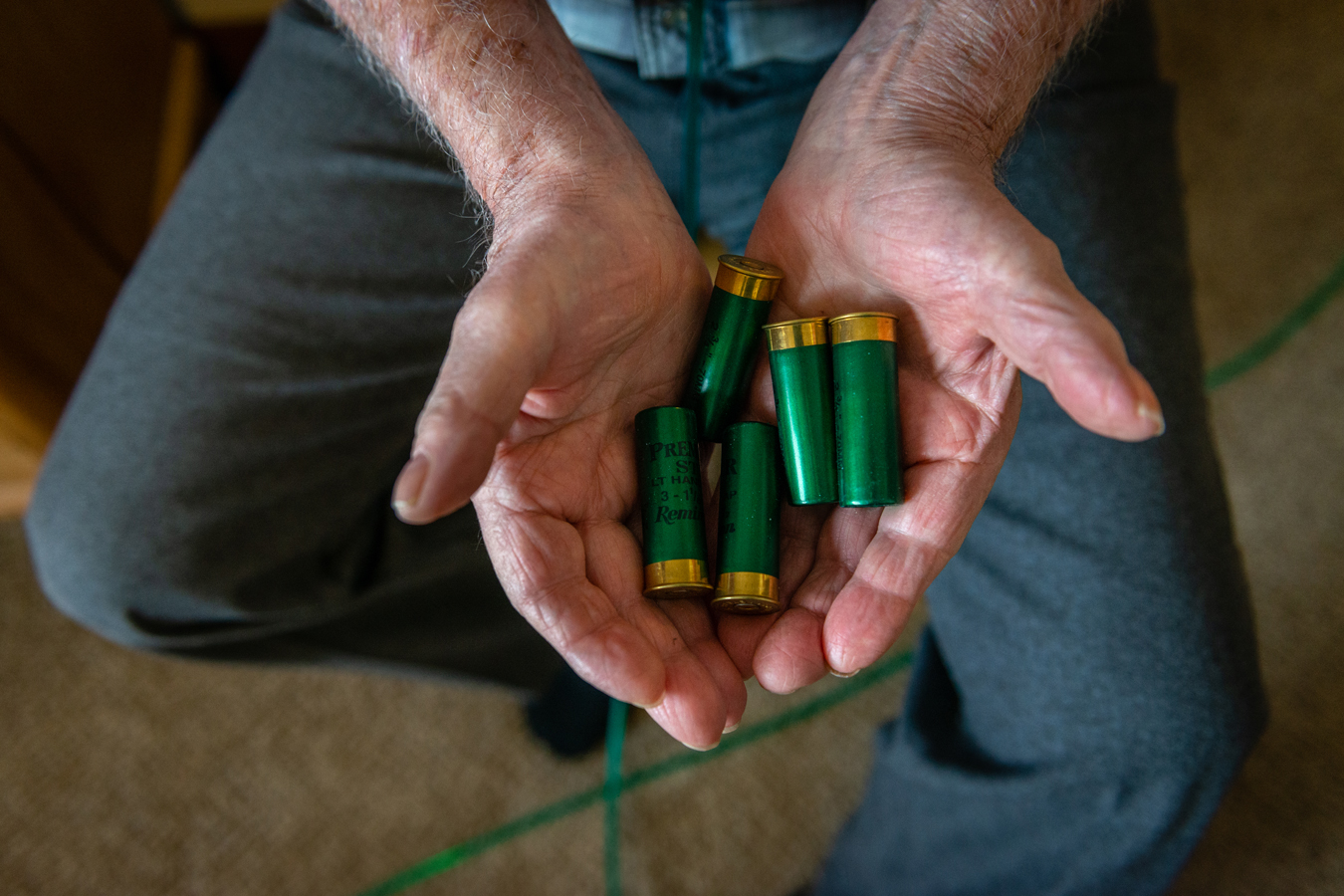
Clinical experts suggest that the most effective way to address these risks is through a harm-reduction model rather than forced confiscation. This approach involves providing free safety equipment like lockboxes and trigger locks while discussing the specific risks of keeping loaded, unsecured weapons within easy reach. Because many older adults view firearms as essential to their identity and personal protection, aggressive attempts to remove weapons often result in familial discord or patient resistance.
Despite the risks, research indicates that healthcare providers rarely discuss firearm safety during routine exams. A 2020 study found that only five percent of caregivers for dementia patients had ever had such a conversation with a doctor. Many patients avoid disclosing gun ownership due to fears of losing their rights, though KFF Health News clarifies that conditions like depression or dementia do not automatically trigger weapon removal under current laws in most states.
The Industry Pulse Bottom Line
Healthcare providers must integrate firearm safety screenings into geriatric care. Early interventions using harm-reduction models can mitigate suicide risks and accidental shootings without alienating patients who value firearms for personal protection.