
Trump Administration Expands Medicaid Coverage for Native Traditional Healing
The Trump administration has authorized Utah and Maine to use Medicaid funds for Native American traditional healing practices. According to KFF Health News, these federal waivers permit reimbursement for ceremonies such as sweat lodges and canoe journeys, even as the government implements stricter eligibility rules expected to reduce overall program enrollment by millions.
Context from Industry Pulse
The expansion of traditional healing coverage highlights a complex duality in current federal health policy. While Health and Human Services Secretary Robert F. Kennedy Jr. advocates for community-driven solutions to improve Native American health outcomes, the broader administration is simultaneously tightening Medicaid eligibility through the One Big Beautiful Bill Act. This legislation, which introduced work requirements, is projected to leave 10 million more people without insurance than previously estimated. Consequently, even as specific cultural benefits are codified, the larger Medicaid infrastructure is contracting, leaving states like California to navigate 700-page federal directives to maintain their existing waiver-funded programs for vulnerable populations.
The Department of Health and Human Services recently approved Medicaid waivers for Utah and Maine, allowing these states to reimburse Native American health providers for traditional cultural practices. As reported by KFF Health News, the move expands the number of states with such federal permissions to six, joining Arizona, California, New Mexico, and Oregon. The Centers for Medicare & Medicaid Services noted that traditional healing can mitigate symptoms of depression, anxiety, and post-traumatic stress while potentially improving physical health and chronic disease management.
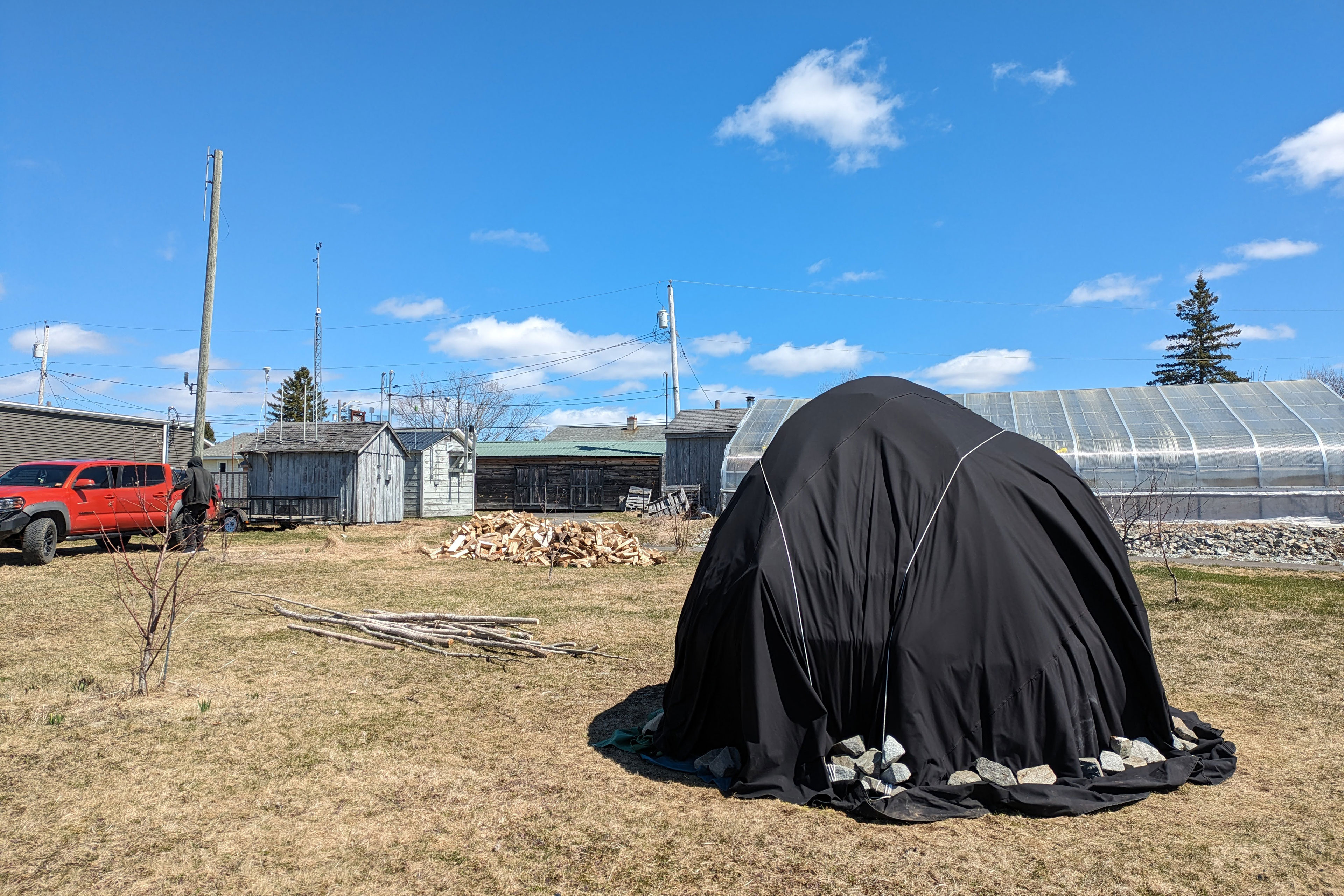
Under these new guidelines, tribal providers can bill the government for community-centered activities like Pacific Northwest canoe journeys and sweat lodge ceremonies. These practices are intended to align government-funded healthcare with the diverse cultural identities of Indigenous communities. KFF Health News indicates that Utah's program specifically includes urban Indian health organizations, which serves the significant portion of the Native American population living off-reservation and in metropolitan areas.
While these waivers broaden specific benefits, they arrive alongside significant federal shifts in Medicaid policy. Last year, the One Big Beautiful Bill Act introduced work requirements and other restrictions that officials estimate will result in 7.5 million people losing Medicaid coverage. While Native Americans are exempt from these work mandates, tribal leaders expressed concern to KFF Health News regarding potential administrative errors that could lead to unmerited disenrollments during this transition.
The sustainability of these programs remains a concern for some tribal leaders. For example, California’s existing waiver is nearing its expiration date, and its renewal depends on whether the state aligns its programs with new federal eligibility changes that took effect in October. Additionally, KFF Health News reports that the federal government rejected Utah's request for full reimbursement of costs incurred by urban Indian health organizations, maintaining a funding disparity between those groups and tribally run clinics on reservations.
The Industry Pulse Bottom Line
The federal approval of traditional healing represents a shift toward culturally integrated care for Indigenous populations, yet the benefit remains vulnerable to broader Medicaid eligibility cuts and funding disparities facing urban health organizations.