
Texas Democratic Upset Shifts Healthcare Focus to Medicaid and Affordability
Texas Democrats secured a historic victory by flipping the governor’s office and state House, ending three decades of Republican control. As reported by KFF Health News, the new leadership faces an immediate challenge to address the state's high uninsured rates and healthcare costs before the legislative session begins in January.
Context from Industry Pulse
The Democratic sweep in Texas reflects a broader national trend where healthcare costs and reproductive rights have become primary drivers for voter behavior. While federal subsidies for Affordable Care Act premiums lapsed and the federal health budget faced recent cuts, Texas voters prioritized local solutions to affordability. The new administration inherits a system where maternal mortality rates exceed the national average and hundreds of thousands have recently lost coverage due to enrollment glitches. This shift occurs as other states navigate similar tensions between federal funding cuts and local demands for expanded health equity and hospital financial relief.
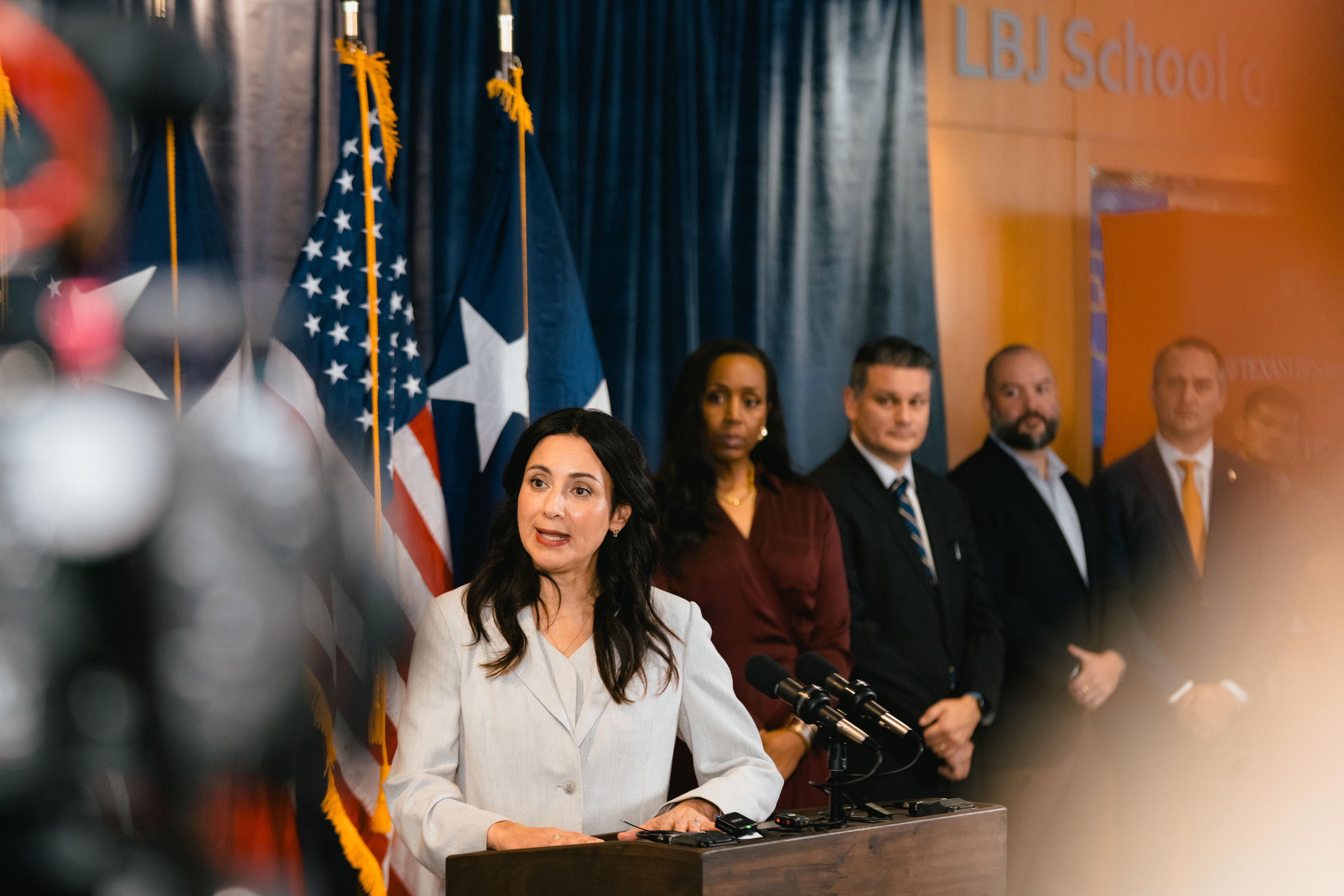
The recent election results have significantly altered the political landscape in Austin, where Democrats now control the governor’s mansion and the state House. KFF Health News reports that Gina Hinojosa defeated long-time incumbent Greg Abbott to become the first Democratic governor in three decades. Alongside Lt. Gov.-elect Vikki Goodwin, the new leadership campaigned on a platform centered on expanding insurance coverage and reducing the financial burden of medical care for Texas residents.
Texas currently faces severe health challenges, including the highest number of uninsured residents in the United States. According to KFF Health News, approximately 5 million people in the state lack health coverage, including 1 million children. The state remains one of only ten that has declined to expand Medicaid under federal guidelines. Expanding this program could provide coverage to an estimated 1 million additional low-income adults, with the federal government covering 90% of the associated costs.
Incoming leaders have proposed bold initiatives to tackle these disparities. Vikki Goodwin has suggested utilizing the state’s $24 billion rainy day fund to establish a state-run health insurance plan. KFF Health News notes that Hinojosa has previously advocated for broadening exemptions to abortion bans and integrating doulas into maternal mortality reviews, though such measures faced significant hurdles under the previous administration.
Despite the shift in power, the path to legislative success remains narrow. The upcoming 140-day session starts in mid-January, and the state Senate remains under Republican control. KFF Health News indicates that newly elected officials must navigate this divided government quickly, as the Texas legislative calendar is infrequent, with the next regular session not scheduled until 2029. Advocacy groups are already coordinating with the new administration to streamline enrollment processes for existing state health programs.
The Industry Pulse Bottom Line
Texas Democrats face a high-stakes sprint to expand Medicaid and lower costs within a divided legislature, testing whether a statewide mandate can overcome entrenched partisan opposition in the Senate.