
Democratic Midterm Gains Revive Legislative Push for Single-Payer Healthcare
Following a significant Democratic showing in the 2026 midterm elections, advocates for single-payer healthcare are leveraging voter concerns over rising costs to push for Medicare for All. KFF Health News reports that while progressive candidates secured victories in several states, internal party divisions and industry opposition present significant hurdles for the policy.
Context from Industry Pulse
The push for Medicare for All arrives as the healthcare landscape faces multiple pressures. KFF Health News indicates that the expiration of enhanced Affordable Care Act subsidies has left many families facing monthly premiums exceeding $1,300, leading some to delay necessary medical tests. Simultaneously, the industry is grappling with new regulations, such as the No Surprises Act, and shifts in Medicare oversight for remote monitoring. As pharmaceutical groups spend heavily on public opinion campaigns and ballot measures highlight deep divisions over social health issues, the debate over single-payer systems has become a proxy for broader dissatisfaction with the rising costs of private insurance and federal spending sustainability.
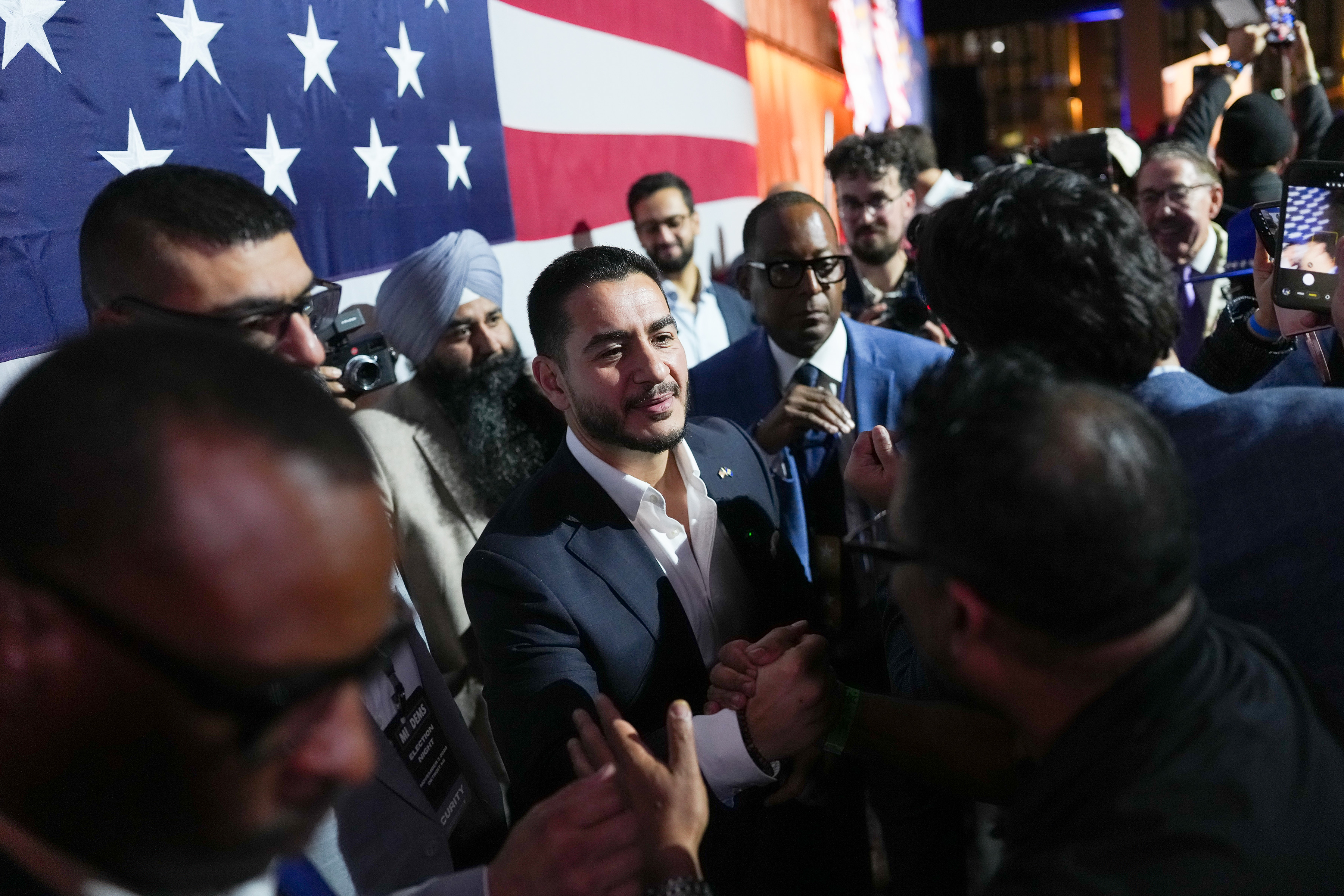
The 2026 midterm results have reignited a national debate over government-run health insurance as affordability crises drove voters to the polls. According to KFF Health News, progressive candidates who prioritized Medicare for All found success in diverse regions including Michigan, Texas, Maine, and Iowa. This momentum is fueled by frontline healthcare workers and patients who argue the current private insurance model has become unsustainable due to soaring premiums and high deductibles.
Despite these electoral wins, the path forward remains politically complex. KFF Health News notes that vocal supporters of universal coverage often won by narrower margins than their moderate counterparts. Analysts suggest that while voters expressed frustration with inflation and other economic factors, there is no clear consensus that the electorate has embraced a full government takeover of the insurance industry. Some experts warn that moderate Democrats in red-leaning states may view the policy as a liability for future retention.
Opposition from the healthcare industry and libertarian think tanks remains a formidable barrier. Critics interviewed by KFF Health News argue that a single-payer system would face immense pressure from industry lobbyists and could lead to unsustainable federal spending. Furthermore, current polling indicates that public support for Medicare for All often diminishes when voters are confronted with potential trade-offs such as tax increases or longer wait times for medical treatments.
States are beginning to take independent action while federal prospects remain uncertain. KFF Health News reports that Oregon is among the states exploring the logistics of establishing a state-level single-payer system. Advocates hope these regional efforts and the ongoing affordability crisis will serve as a springboard for the policy to become a central theme in the 2028 presidential primaries, even as the industry prepares for a prolonged fight to protect the existing private insurance framework.
The Industry Pulse Bottom Line
While the midterms provided a platform for progressive healthcare reform, the narrow victory margins and intense industry resistance suggest that Medicare for All remains a divisive goal rather than a legislative certainty.