
Hospital Boarding Crisis Traps Children in Long-Term Medical Limbo
A KFF Health News investigation highlights the growing crisis of social stays, where children remain in hospitals long after medical necessity has ended. The report focuses on a teenager who spent over 475 days at a St. Louis facility because of a lack of safe housing and specialized foster care placements.
Context from Industry Pulse
The rise of social stays reflects a broader breakdown in the continuum of care for pediatric patients with complex needs. State data from Missouri reveals tens of millions in spending on hospital boarding, yet these figures fail to capture the full economic weight carried by healthcare systems through uncompensated care. This crisis is fueled by a critical deficit in foster homes equipped to handle physical disabilities and chronic conditions. When home-based caregivers, such as the double-amputee grandmother or working mother mentioned in the reporting, are overwhelmed by the demands of intensive recovery, the hospital becomes a default shelter, turning acute care beds into long-term housing at a massive daily cost to the public and providers.
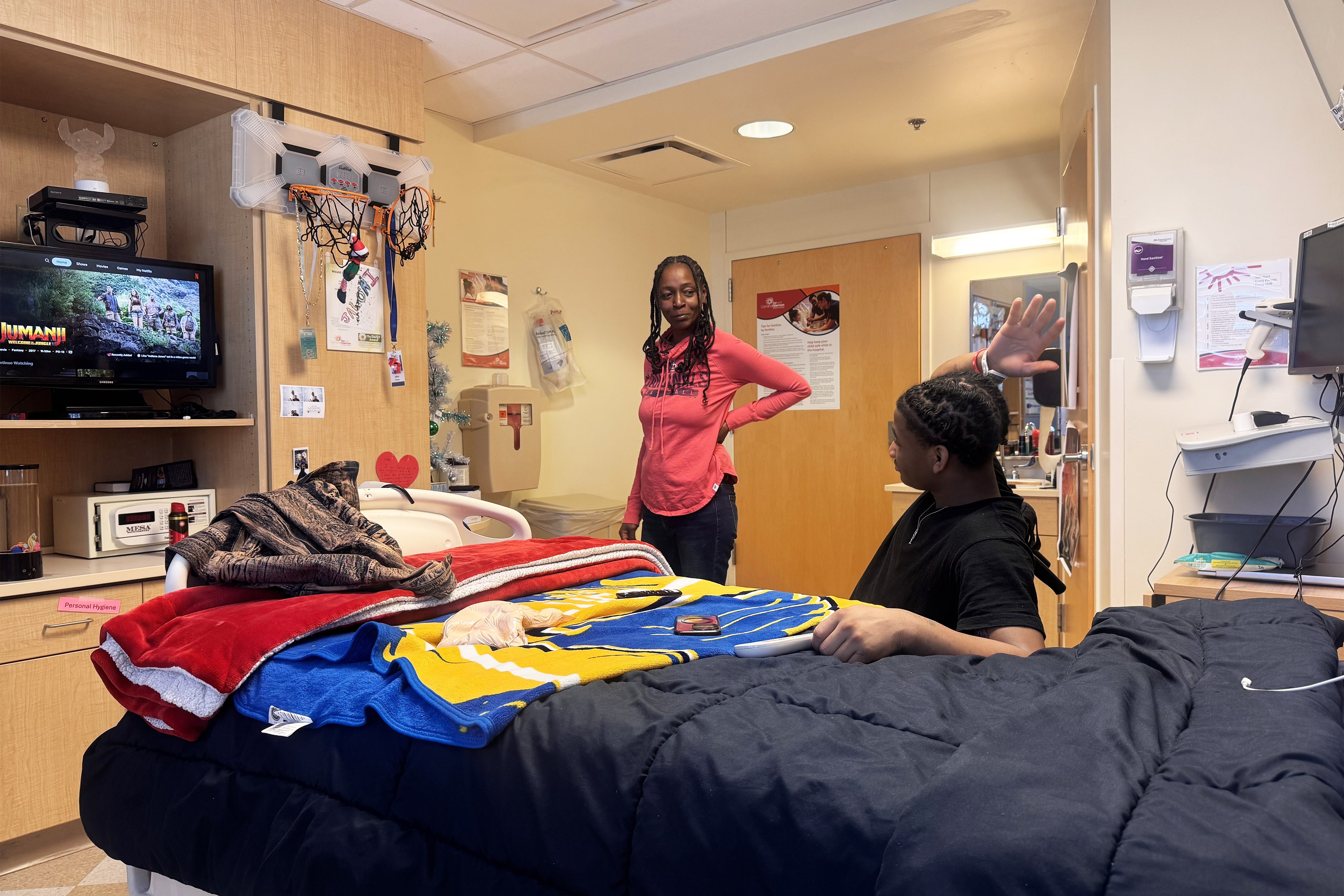
The phenomenon known as hospital boarding occurs when pediatric patients are kept in clinical settings due to a severe shortage of suitable foster homes or residential facilities. As KFF Health News reports, this issue frequently affects children with complex needs, including those with mental health conditions, physical disabilities, or chronic illnesses requiring specific accommodations. In one documented case, a teenager paralyzed by gun violence remained at SSM Health Cardinal Glennon Children’s Hospital for more than a year across multiple stays, often because no appropriate discharge options existed.
Financial records indicate that these social stays represent a significant fiscal burden on state budgets and healthcare systems. According to KFF Health News, Missouri has spent more than $64.7 million over the last five years to board children in state custody within hospitals. However, industry representatives suggest this figure is a substantial undercount, as many hospitals lack the administrative staff required to log every instance or successfully request reimbursement for non-medical housing costs.
For the children involved, the transition from patient to resident carries a heavy emotional toll. KFF Health News notes that a 2017 study in Minnesota found the cost of boarding a child with complex medical needs reached approximately $3,932 per day. While the clinical necessity of every day spent in the hospital is not always clear, the lack of community-based support for families often leads to allegations of neglect when caregivers cannot meet the intensive demands of home-based medical recovery.
The systemic failure is exacerbated by the specific challenges of interstate care. When families living across state lines are accused of neglect due to an inability to provide specialized care, children can become wards of the state, further complicating their discharge path. As the KFF Health News investigation illustrates, the resulting limbo leaves vulnerable youth residing in clinical wards for hundreds of days, surrounded by medical staff rather than peers or family members.
The Industry Pulse Bottom Line
Hospital boarding signifies a systemic failure to fund community-based step-down facilities, forcing acute care hospitals to act as expensive, involuntary housing for vulnerable children caught between medical recovery and social instability.