
Native Americans Face Medicaid Risk as States Lack Federal Work Requirement Guidance
According to KFF Health News, thousands of Native Americans could lose Medicaid benefits due to inconsistent state implementation of work requirement exemptions. Although federal law excludes American Indians and Alaska Natives from these mandates, a lack of standardized identification protocols from the Centers for Medicare & Medicaid Services has left eligibility verification to individual states.
Context from Industry Pulse
The current friction between state administration and federal exemptions follows a period of significant volatility for Medicaid enrollment. KFF Health News notes that Native Americans were disproportionately impacted during the 2023 post-pandemic eligibility checks, often losing coverage not due to income changes, but because of logistical barriers. The exemption specifically applies to American Indians and Alaska Natives under the One Big Beautiful Bill Act, yet notably excludes other Indigenous groups like Native Hawaiians. As states like North Carolina and Oklahoma utilize different data-sharing agreements or managed-care programs to verify status, the lack of a unified federal protocol creates a high risk of bureaucratic churn, particularly for tribal citizens living far from their sovereign lands.
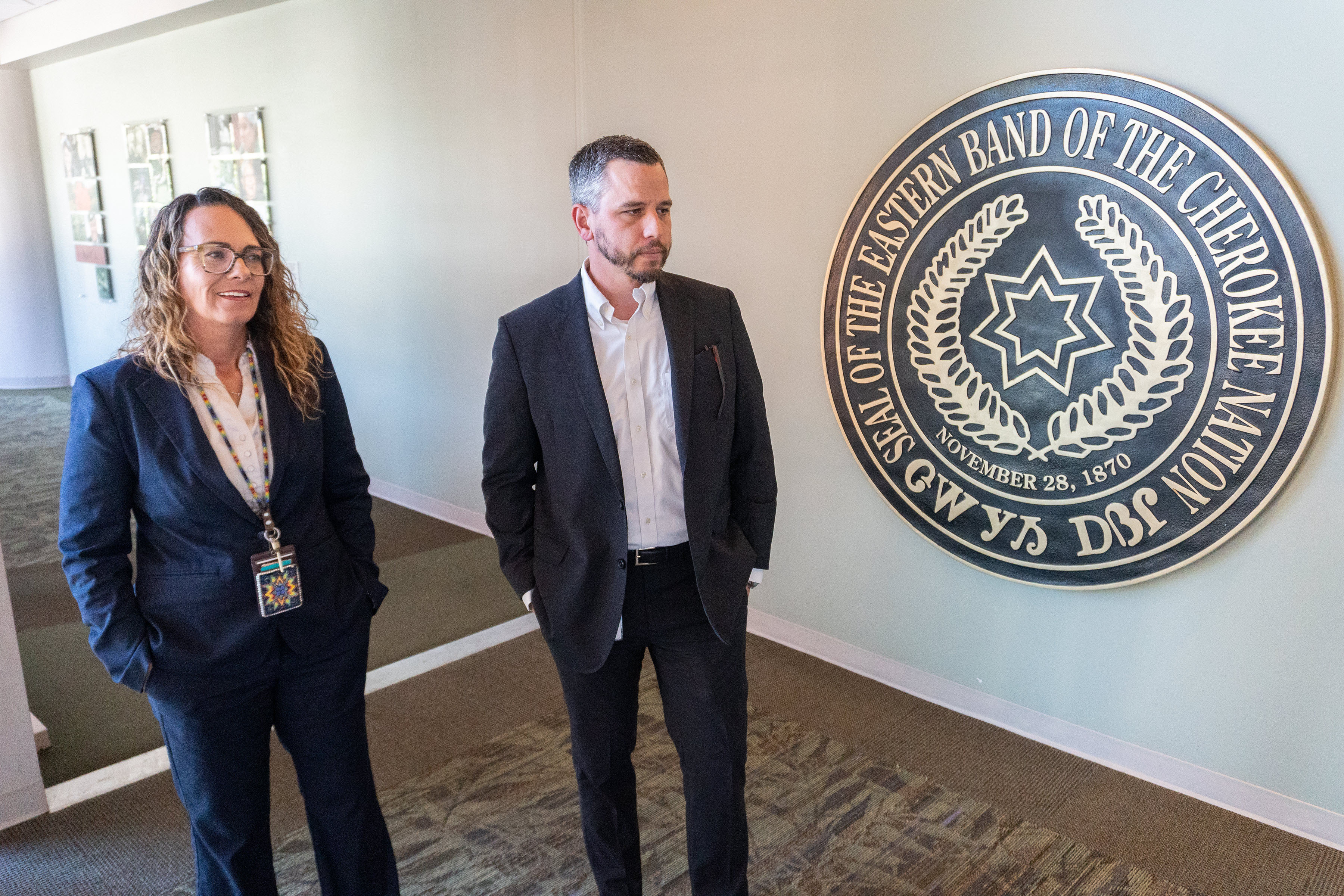
Native American leaders and health advocates are warning of a potential insurance crisis as states prepare to enforce Medicaid work requirements. While the federal government officially exempts American Indians and Alaska Natives from these rules, KFF Health News reports that the Centers for Medicare & Medicaid Services failed to provide a standardized system for states to identify who qualifies for the carve-out. This regulatory gap has forced over 30 states to develop independent administrative processes in isolation.
Data from KFF Health News indicates that the lack of clear federal direction has already resulted in a patchwork of eligibility checks. Some states, including Arizona and Washington, allow enrollees to self-identify their tribal status on application forms. Other regions, such as North Carolina, maintain stricter thresholds, requiring tribal enrollment cards or census records for verification. Advocates worry these high bars for proof will lead to qualified individuals being mistakenly removed from the program.
Historical data suggests these administrative hurdles have severe consequences. During the 2023 Medicaid unwinding period, an estimated 850,000 Native Americans lost their health coverage, frequently due to paperwork errors. Current concerns are amplified by the fact that approximately 87 percent of Native people live outside of designated tribal statistical areas, making it harder for state agencies to coordinate with distant tribal governments for verification purposes.
Tribal advisory groups have urged federal officials to mandate self-attestation as the standard proof for eligibility, but these recommendations have not yet been adopted. KFF Health News found that several states do not even track tribal affiliation on applications because ethnicity questions remain optional. As the deadline for implementation approaches, health directors for sovereign tribes fear that without immediate federal intervention, thousands of indigenous citizens will fall through the cracks of a flawed administrative rollout.
The Industry Pulse Bottom Line
Without standardized federal oversight for tribal exemptions, Medicaid work requirements risk triggering a secondary wave of coverage losses for Native Americans, driven by administrative complexity rather than a lack of eligibility.