
Affordability Gaps Drive Hundreds to Maryland Pop-Up Medical Clinic
A free health clinic in Takoma Park, Maryland, recently drew hundreds of residents who waited overnight in vehicles for dental, vision, and medical services. According to KFF Health News, the event highlighted significant gaps in the American healthcare system where even insured individuals struggle to afford necessary out-of-pocket costs and routine dental procedures.
Context from Industry Pulse
The surge in demand for pop-up clinics in affluent Maryland suburbs reflects a national shift in healthcare accessibility. While census data indicates high coverage rates in these areas, the expansion of Remote Area Medical into urban corridors like Baltimore and Philadelphia suggests that traditional insurance models are failing to provide comprehensive financial protection. This trend is particularly evident in dental and vision care, which are often excluded from standard Medicare and employer plans. As voters identify healthcare costs as a top priority for the 2026 elections, the reliance on volunteer-led 'point-and-pull' dentistry underscores a systemic disconnect between having a health insurance card and being able to afford actual treatment.
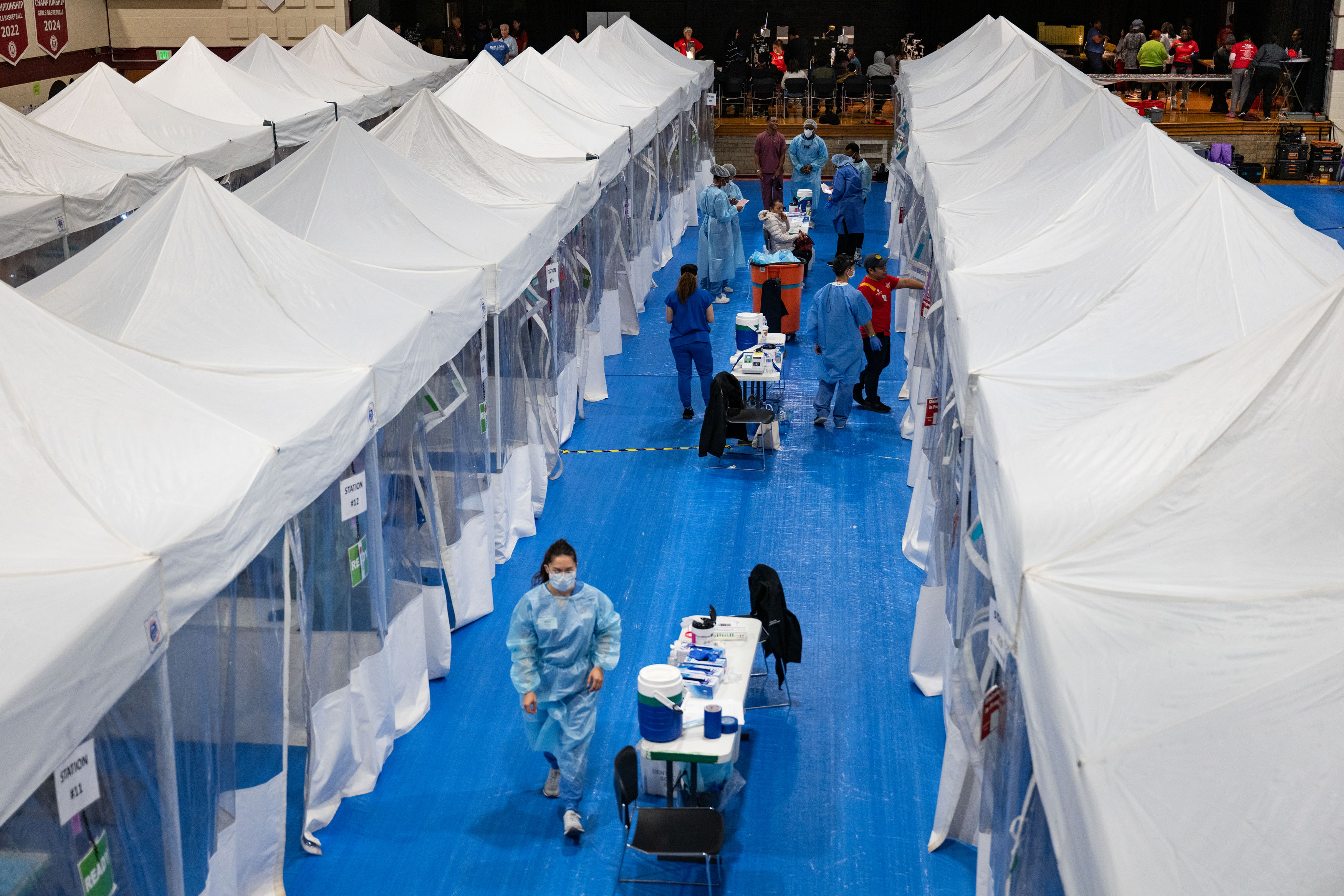
A weekend pop-up clinic located just miles from the U.S. Capitol served as a stark illustration of the healthcare affordability crisis currently influencing the 2026 election cycle. As KFF Health News reports, dozens of people slept in their cars outside a Takoma Park high school to secure medical, dental, or vision care. Though the suburban area maintains a high median household income and a 94 percent insurance rate, the demand for free services far outstripped the immediate capacity of traditional local providers.
The event was organized by Remote Area Medical, a nonprofit that has traditionally focused on rural regions like Appalachia but is increasingly expanding into urban and suburban centers. KFF Health News notes that 467 patients received care over the weekend, supported by a volunteer staff of more than 300 professionals. The clinic provided essential services ranging from vision exams and new eyeglasses to complex dental work like fillings and extractions.
Data collected during the event revealed that one in four patients actually possessed health insurance through employers or Medicare. However, these individuals reported that high out-of-pocket expenses or the lack of specific benefits, such as adult dental coverage, forced them to seek charity care. According to KFF Health News, nearly 40 percent of those surveyed had not seen a dentist in at least two years, and two-thirds relied on emergency rooms as their primary source of medical attention.
Medical staff on-site treated many patients for chronic conditions such as diabetes and hypertension. KFF Health News reports that many attendees had lost their insurance or were unable to afford premiums, leading to a lapse in necessary prescriptions. Volunteers provided 90-day supplies of essential medications and attempted to bridge the gap by referring patients to community health centers for long-term primary care management. The high volume of dental patients specifically highlighted a widespread need for relief from chronic pain through tooth extractions.
The Industry Pulse Bottom Line
The Takoma Park clinic demonstrates that insurance coverage no longer guarantees healthcare access. Rising out-of-pocket costs and benefit gaps are pushing middle-income suburban residents toward emergency charity care, making affordability a central issue for the 2026 election cycle.