Iranian Leaders Acknowledge Severe Economic Strains Amid Tightened U.S. Sanctions
Industry Pulse News Desk · 2026-09-06
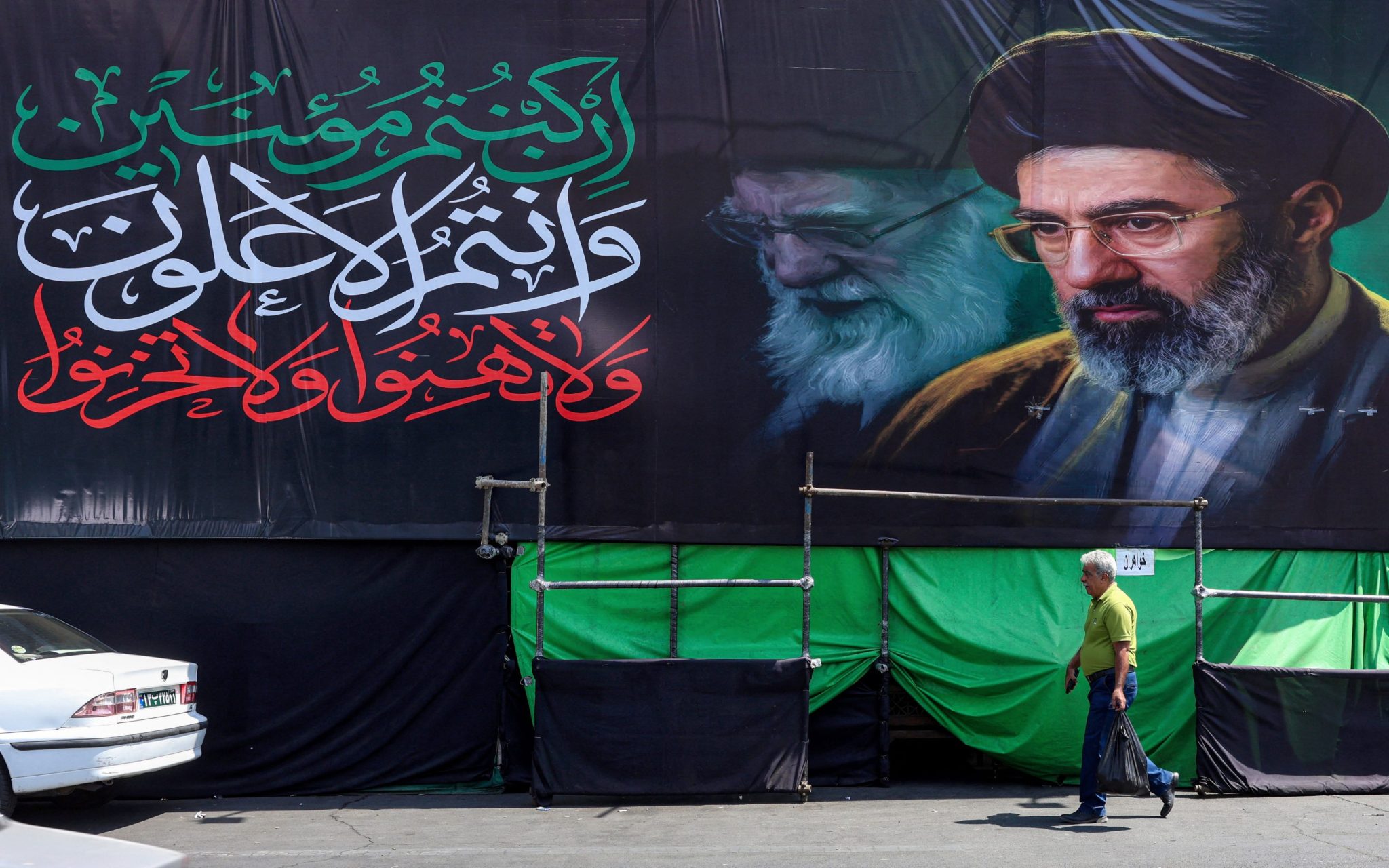
Supreme Leader Mojtaba Khamenei and President Masoud Pezeshkian called for national unity as U.S. blockades and sanctions drive severe inflation and trade drops.
Senior Iranian leadership has publicly acknowledged deepening economic turmoil as a U.S. naval blockade and expanded sanctions place unprecedented strain on the nation's financial stability. In a written statement, Supreme Leader Ayatollah Mojtaba Khamenei directed government officials to maintain social cohesion and immediately address an expanding series of livelihood challenges, including soaring inflation, rising unemployment, and commodity price management.
Iranian President Masoud Pezeshkian echoed those concerns in a state media broadcast, revealing that overall national trade has plunged between 25 percent and 35 percent. Pezeshkian dismissed assertions that foreign pressure has had no impact, noting that import volumes have dropped significantly faster than exports while internal economic difficulties continue to compound.
The economic downturn follows a severe depreciation of Iran's currency, with the rial falling to 2.2 million per U.S. dollar compared to roughly 1 million a year ago. Annual inflation has surpassed 80 percent, driving prices for key food staples up by as much as 100 percent. Additionally, domestic gasoline reserves have dwindled to approximately two months of supply due to restricted refining capacity and import barriers.
The pressure intensified after U.S. Treasury Secretary Scott Bessent announced targeted measures to dismantle financial networks enabling Iranian sanctions evasion. The actions aim to curtail Tehran's oil export revenues and restrict its access to international banking mechanisms.
Meanwhile, U.S. naval forces continue maintaining a blockade to secure oil tanker traffic through the Strait of Hormuz. U.S. Energy Secretary Chris Wright stated that defense operations against Iranian commercial shipping attacks are improving, supported by regional allies, though primary military capacity remains heavily anchored by U.S. forces.