
Tesla to Reduce Cybertruck Output at Texas Gigafactory for Cybercab Transition
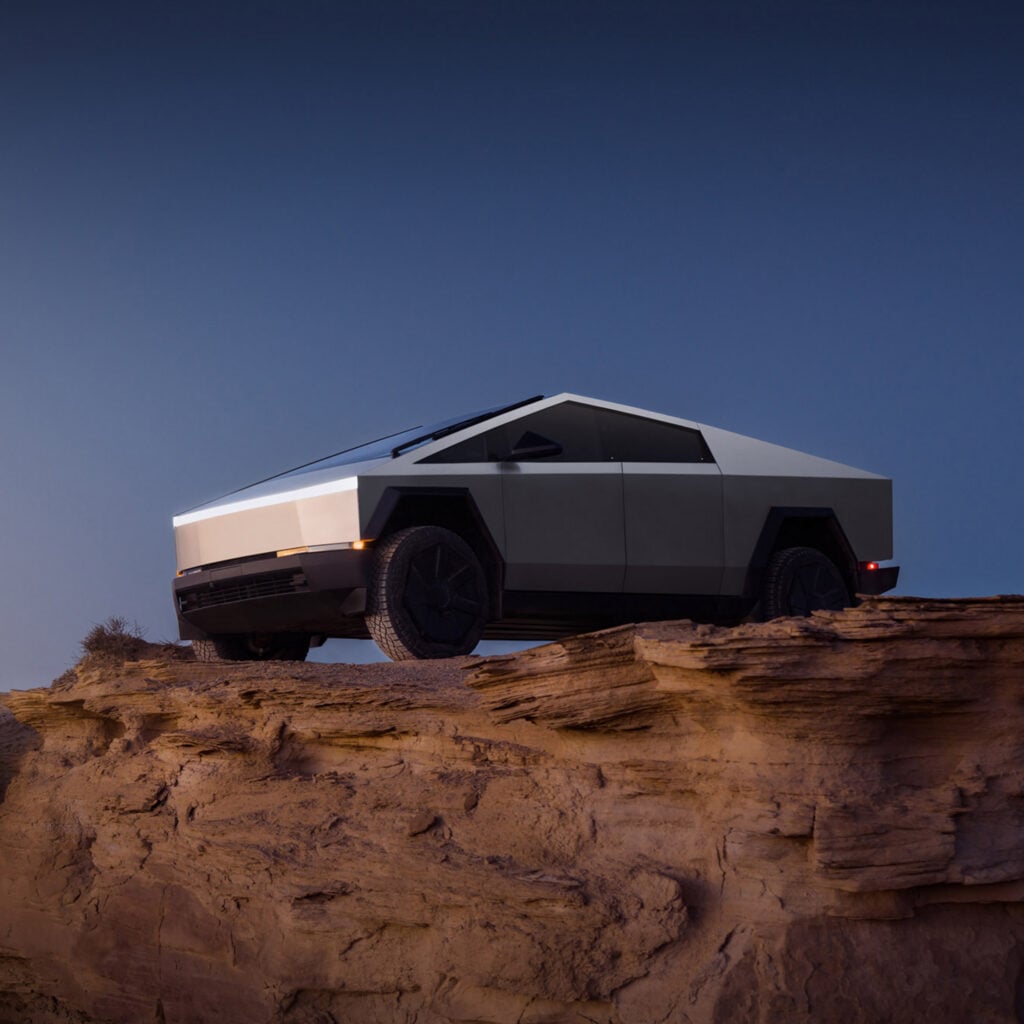
Tesla founder Elon Musk announced plans to scale back Cybertruck manufacturing at the Texas Gigafactory starting in mid-2027. According to Dezeen, the shift aims to prioritize the production of the Cybercab, an electric sedan unveiled in 2024. The move follows a significant decline in sales for the polarizing stainless-steel pickup truck.
Context from Industry Pulse
Tesla is increasingly prioritizing its semi-autonomous and robotic portfolio over its traditional passenger vehicle lineup. This strategic realignment is evident in the company's decision to shift manufacturing focus from the Cybertruck to the Cybercab robotaxi and from established luxury models like the S and X to the Optimus humanoid robot. Despite the high-profile 2019 debut and 2023 launch of the Cybertruck, the vehicle struggled to maintain momentum, with 2025 sales estimates showing a steep decline from the previous year. By transitioning the Texas Gigafactory to Cybercab production, Tesla is betting on autonomous transit services to offset the cooling demand for its distinctive but troubled electric pickup.
The transition at the Texas Gigafactory marks a significant pivot for Tesla just two and a half years after the Cybertruck reached customers. As Dezeen reports, the Austin-area facility is the only known site currently producing the vehicle. This reduction in volume follows a period of struggling sales figures that fell far short of initial corporate expectations. While leadership originally projected annual sales reaching up to half a million units, actual U.S. deliveries dropped nearly 48 percent year-over-year.
Technical challenges have also impacted the vehicle's reputation since its 2023 launch. These issues included a major recall in 2024 involving faulty pedals. The truck’s unconventional aesthetic, characterized by a sharp sci-fi silhouette, initially divided the public and may have contributed to its cooling market performance. The upcoming manufacturing adjustment reflects a broader trend of Tesla repurposing its existing infrastructure to accommodate newer automated technologies.
Resources previously dedicated to the Cybertruck will now support the Cybercab, which is expected to serve as a cornerstone for the company's future robotaxi fleet. This is not the first time Tesla has displaced established models to make room for experimental robotics and autonomous systems. Dezeen notes that production lines for the Model S and Model X were previously altered to facilitate the manufacturing of the Optimus humanoid robot at the company's California site.
While the exact future of the Cybertruck remains unconfirmed, Musk recently characterized the production wind-down as the conclusion of a specific era. The existing fleet of trucks is expected to remain on roads for the foreseeable future even as the factory shifts its primary focus toward high-volume fabrication of the newer electric sedan and the recently showcased flying Roadster concept.
The Industry Pulse Bottom Line
Tesla is trading its niche, low-performance Cybertruck volume for a broader bet on autonomous taxi infrastructure, signaling a decisive move away from experimental consumer vehicle designs toward utility robotics.