
Corkinho Debuts Modular Still Room Pavilion for Silent Retreats in Portugal
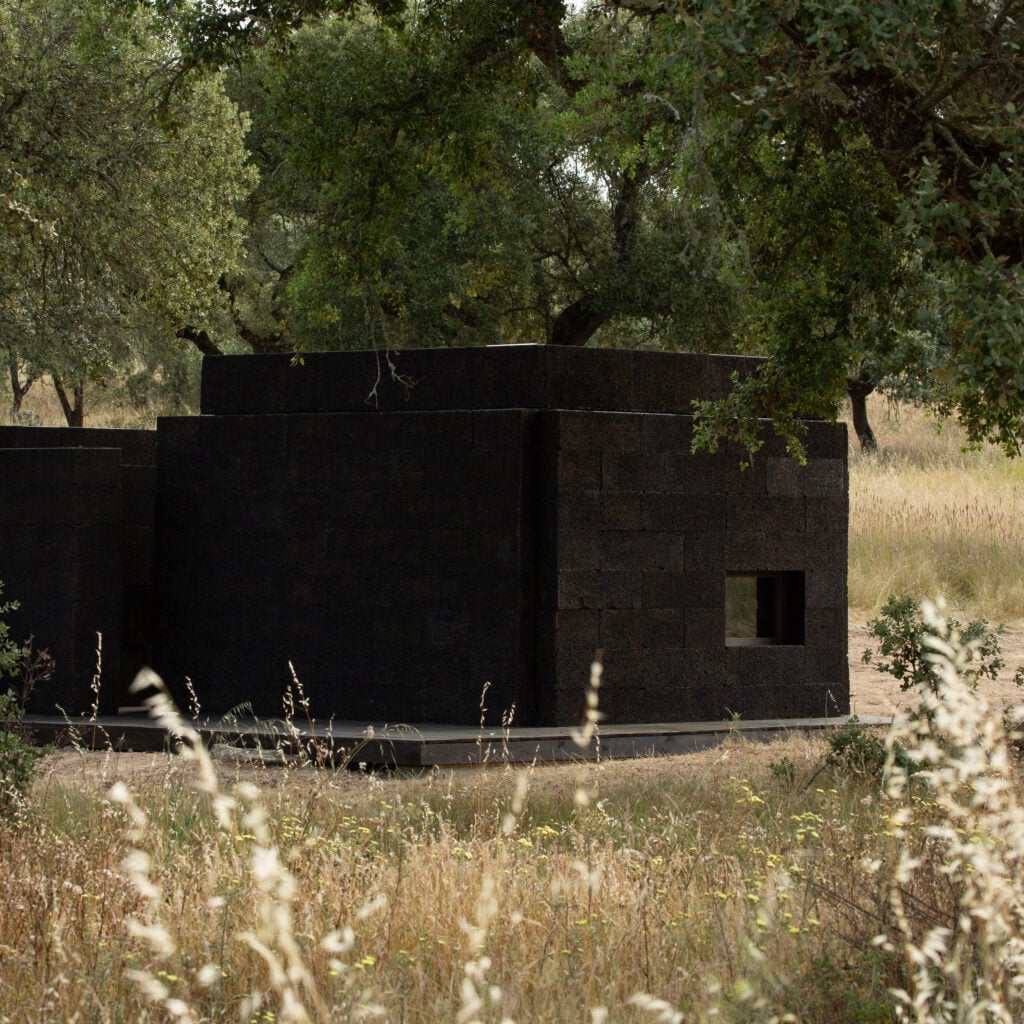
Antwerp studio Corkinho has constructed a demountable cork pavilion at Casa No Tempo, a vacation villa in southern Portugal. As Dezeen reports, the project serves as a dedicated space for silent activities like meditation and tea ceremonies, emphasizing zero-waste construction and the sensory benefits of natural materials within the hospitality sector.
Context from Industry Pulse
The still room pavilion at Casa No Tempo arrives amid a broader architectural interest in modular, low-impact structures. Recent reporting by Dezeen has highlighted diverse pavilion designs, ranging from wildlife-focused structures informed by water patterns to mass-timber assemblies utilizing scrap materials. Corkinho’s approach aligns with the hospitality industry’s growing focus on slow living, as seen in João Rodrigues’ Silent Living portfolio. By utilizing heat-treated cork and a glue-free assembly, the project addresses the demand for sustainable, temporary architecture that can be integrated into sensitive rural landscapes without permanent ecological footprints, while simultaneously serving as a sensory-driven retreat for professional and leisure guests.
The new structure at Casa No Tempo represents an evolution of a concept first introduced by Cédric Etienne in 2020. According to Dezeen, the designer collaborated with carpenter Gonçalo Madeira Marrote to develop a building system that requires no permanent adhesives or screws. The foundation consists of removable concrete blocks supporting a timber deck, while the walls are formed by stacking solid cork blocks. These blocks are secured by metal rods running through milled channels, allowing the entire building to be disassembled and relocated without damaging the landscape.
Material selection was central to the project’s goal of creating a carbon-neutral environment. As Dezeen notes, the cork blocks provided by Sofalca underwent heat treatment to enhance their durability. This specific material choice offers significant thermal regulation, maintaining an interior temperature of approximately 22 degrees Celsius even when external temperatures reach 40 degrees. The acoustic properties of the thick cork walls further support the pavilion’s function as a sanctuary from noise and external distractions.
Located on the grounds of a farmhouse originally renovated by Manuel Aires Mateus, the pavilion is intended for both villa guests and curated professional programs. According to Dezeen, the space has already hosted multi-day silent retreats for groups of designers and hospitality experts. The design takes inspiration from traditional Japanese teahouses, focusing on local materials and minimal site impact.
This installation marks a continuation of the partnership between Etienne and hospitality entrepreneur João Rodrigues, whose company Silent Living focuses on slow-living concepts. As Dezeen reports, the pavilion demonstrates how specific architectural conditions, such as scent and softness, can be used to foster a deeper sense of presence for occupants seeking disconnection from the modern pace of life.
The Industry Pulse Bottom Line
Corkinho’s pavilion demonstrates that high-performance thermal and acoustic environments can be achieved through modular, zero-waste construction, offering hospitality brands a portable solution for wellness-focused architectural programming.