
Design Museum Awards £280,000 for Sustainable Seaweed and Timber Prototypes
Four UK-based design studios have secured funding from the Design Museum to advance environmental prototypes ranging from seaweed-based earplugs to timber apartment kits. As Dezeen reports, the grants support projects aimed at accelerating the green transition by utilizing regenerative materials and agricultural waste to replace carbon-heavy industrial standards.
Context from Industry Pulse
The Design Museum grants, administered through the Future Observatory in partnership with the Arts and Humanities Research Council, reflect an increasing institutional focus on decentralized manufacturing. By funding projects like the neighborhood timber factory and the farm-based insulation system, the program prioritizes localized production over traditional centralized supply chains. This shift addresses both environmental concerns, such as carbon sequestration in timber, and practical logistics, such as repurposing industrial biowaste or agricultural leftovers. The inclusion of a consumer product like seaweed earplugs demonstrates that the push for biodegradability is expanding from large-scale architecture into everyday single-use items, targeting sectors where microplastic pollution is a significant byproduct of standard manufacturing.
The Design Museum has distributed a total of £280,000 to support four distinct environmental projects through its Future Observatory program. According to Dezeen, the selected studios include Searo Labs, WeCanMake, Local Works Studio, and SY Ecofit. These winners were chosen from a pool of 140 applicants for their focus on practical research and commercial potential in the green technology sector.
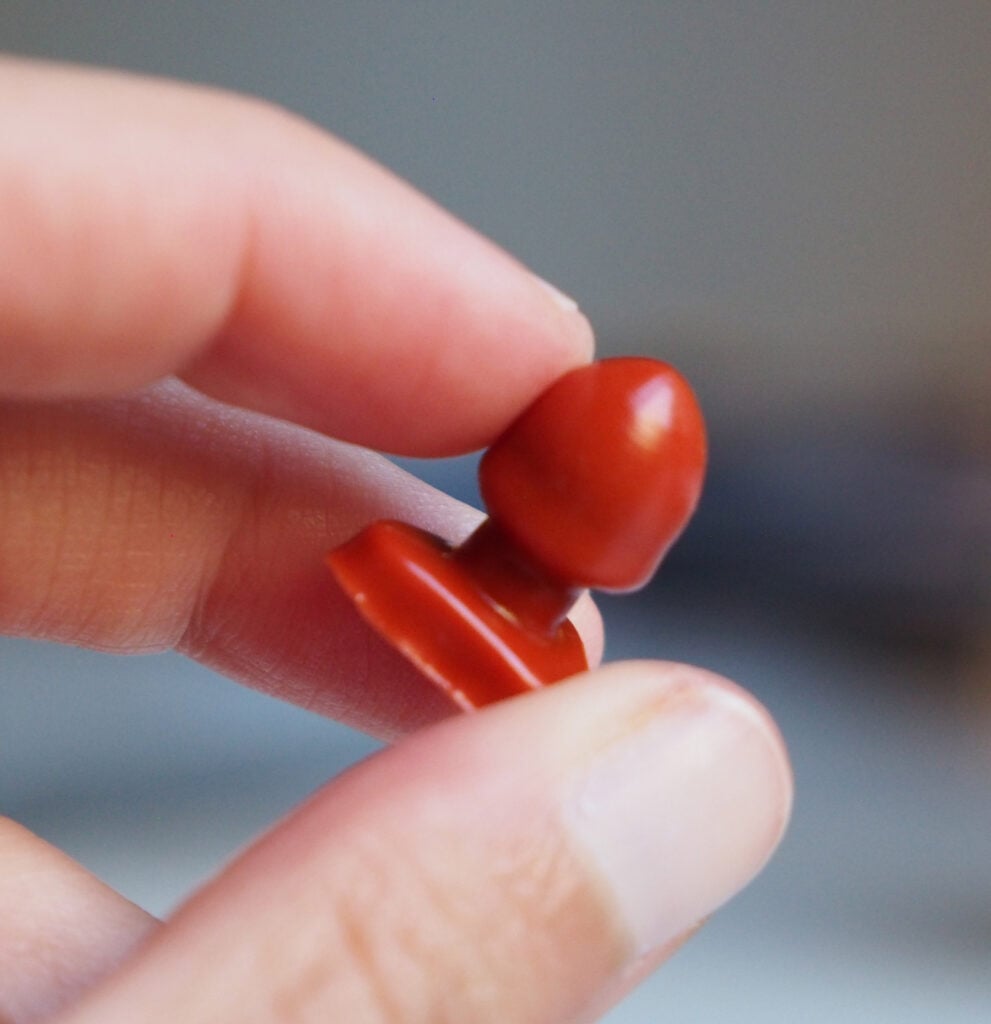
Searo Labs has developed a seaweed-based alternative to traditional single-use earplugs. Known as SearoSoft, the product is described by Dezeen as a fully biodegradable and renewable solution that avoids the use of microplastics or chemical additives. The earplugs are designed to decompose in soil or water within 30 days and leverage the regenerative nature of seaweed, which requires no freshwater or fertilizers to grow.
Two other funded projects focus on sustainable building insulation. Local Works Studio is developing a harvest-to-house system that allows farmers to convert agricultural waste into insulation using their own machinery. Similarly, SY Ecofit is working on a zero-waste insulation material called PhytoFloc. Dezeen notes that this project utilizes biowaste from phytomining, a process where plants extract pollutants from industrial soil, effectively turning post-industrial land byproducts into low-carbon building materials.
Finally, Bristol-based WeCanMake received funding for a timber kit-of-parts system intended for low-rise apartment construction. The studio aims to establish a neighborhood factory model that empowers local communities to build their own homes using carbon-storing materials. As Dezeen reports, the four projects will receive funding through July 2027, at which point they will move into testing and commercialization phases to address pressures on global supply chains.
The Industry Pulse Bottom Line
These grants highlight a strategic shift toward regenerative design. By funding prototypes that utilize seaweed and biowaste, the Design Museum is positioning design as a functional bridge between lab-based environmental research and scalable commercial manufacturing.