
Polestar Unveils Formula 2030 Concept to Preview Future Electric Design Language
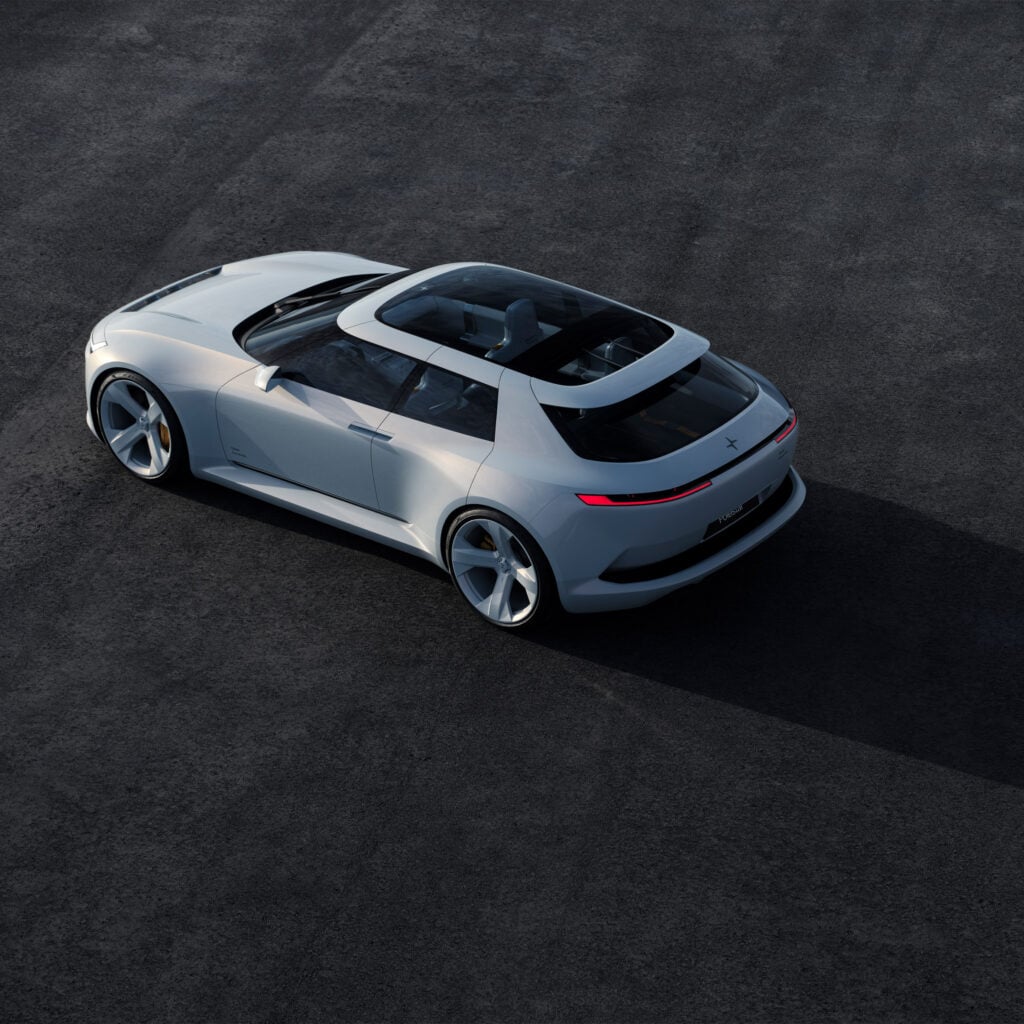
Swedish electric vehicle manufacturer Polestar has introduced the Formula 2030, a low-slung sports car concept that signals the brand’s future aesthetic direction. According to Dezeen, the vehicle represents the first concept developed under head of design Philipp Römers and introduces specific design cues intended for upcoming production models like the Polestar 2 and Polestar 7.
Context from Industry Pulse
Since spinning out of Volvo in 2017, Polestar has balanced its identity as a design-focused premium brand with the financial realities of the EV market. Despite recent financial losses, the company has pivoted toward SUVs and crossovers, which now represent three of its five models due to their higher profit margins and consumer popularity. This shift toward larger vehicles presents a sustainability challenge, yet Polestar maintains it is ahead of schedule for its 2030 emission reduction targets. The Formula 2030 concept attempts to reconcile these elements by blending high-performance sports car proportions with bio-based materials and modular hardware designed for longevity and recyclability.
"It is a physical embodiment of how we apply Polestar's core values of design, performance and sustainability to the next production cars."
The Formula 2030 serves as a technical and visual roadmap for Polestar as it transitions to its next generation of vehicles. As Dezeen reports, the front of the concept features Dual Blade headlights that will eventually appear on the 2027 Polestar 2 saloon. The rear introduces Single Blade lights, a departure from the continuous lightbar styling found on current electric models, which will be adopted by the forthcoming Polestar 7 crossover. Unlike the brand’s most recent production releases, this concept retains a traditional rear windscreen.
Technical specifications provided to Dezeen describe a vehicle measuring 4.68 metres long and 1.35 metres tall. The exterior design emphasizes a broad stance with 22-inch wheels, short overhangs, and a long bonnet. A new paint color named Nitrogen is paired with gold interior accents. The cockpit includes a curved screen band above the steering wheel and a sliding drive mode selector that adjusts the angle of the central console screen based on whether the vehicle is in Performance, Normal, or Autonomous mode.
Inside the cabin, the brand is moving back toward physical controls. Dezeen notes the inclusion of eight large mechanical buttons on the center console that users can program and swap based on personal preference. This shift toward tactile interfaces coincides with a focus on sustainable materials. The seat backs utilize a bio-based composite of European flax and polypropylene, while the door interiors are constructed from a single material to facilitate easier recycling at the end of the vehicle's life.
Polestar continues to publish life-cycle carbon assessments for its models, though figures for the next-generation saloon and crossover are not yet available. While the company recently pushed back its goal for a climate-neutral car from 2030 to 2035, a spokesperson told Dezeen that insights from current production are being used to reduce emissions in these future designs. The company remains ahead of its interim target to halve greenhouse-gas emissions per vehicle sold by the end of the decade.
The Industry Pulse Bottom Line
Polestar is utilizing the Formula 2030 to bridge the gap between high-margin SUV production and its core sustainability mission, prioritizing modular physical controls and bio-composites for its next generation.