
Allen Kaufmann Architekten Wins Design Award for Tool-Free Timber Furniture
Berlin-based Allen Kaufmann Architekten has introduced Dado, a tool-free furniture range that utilizes a patented 45-degree housing joint. As Dezeen reports, the system allows for the assembly of solid-timber tables and modular shelving without the use of glue, screws, or brackets, earning the collection the furniture design of the year title in a Recent public vote.
Context from Industry Pulse
The recognition of the Dado range by Dezeen readers highlights a growing interest in modularity and repairability within the furniture sector. This trend is mirrored in other recent designs, such as Takt’s flat-pack sofa, which also prioritizes easy maintenance. The industry is increasingly moving toward systems that eliminate specialized hardware in favor of integrated joinery. By utilizing CNC milling for precision, Allen Kaufmann Architekten aligns with a broader shift toward distributed manufacturing, where digital designs can be produced locally to mitigate the high emissions and costs associated with shipping assembled timber furniture. This approach addresses the limitations of traditional flat-pack products that often fail due to fragile or missing fasteners.
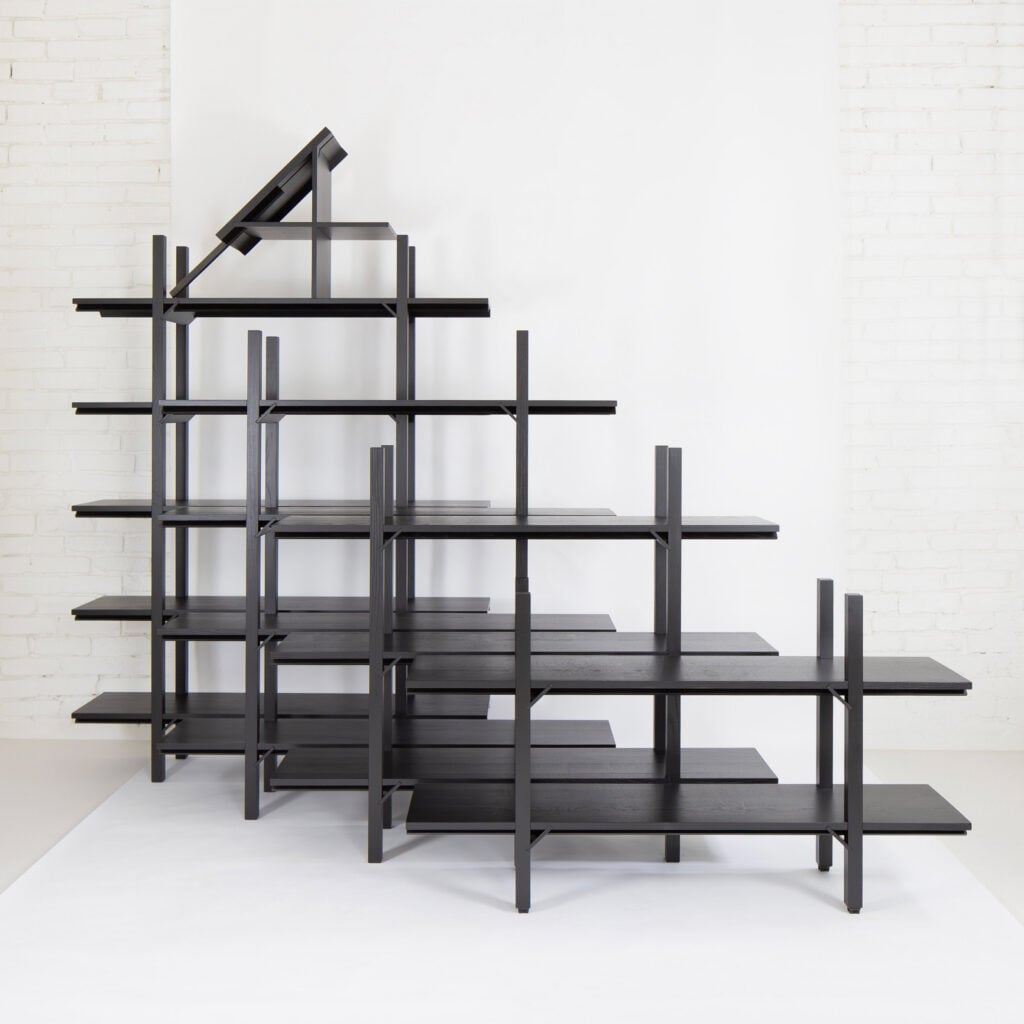
The construction method centers on a modified version of the traditional dado joint, a woodworking technique used for thousands of years involving a narrow trench cut into timber. According to Dezeen, studio co-founder Justin Allen spent several years prototyping a version of this joint that sits at a 45-degree angle. This specific geometry allows four distinct elements—a vertical post, a horizontal beam, and two diagonal braces—to lock together at a single intersection, forming a self-supporting structure.
The resulting collection includes tables and shelving units manufactured from a limited set of repeated, CNC-milled parts. By relying entirely on friction and geometry, the studio aims to solve common issues associated with flat-pack furniture. Dezeen notes that traditional systems often rely on small metal fasteners that are easily lost or damaged, which can lead to functional pieces being discarded prematurely. In contrast, this timber-only system is designed for easy disassembly, repair, and reuse over a long lifespan.
Environmental considerations also influenced the development of the Dado range. The designer informed Dezeen that permanent fixings often make furniture cumbersome and expensive to transport, increasing overall emissions. Because the Dado components are designed for machine precision, the range can be produced by various workshops globally, potentially reducing the need for long-distance shipping of finished goods.
Visually, the furniture reflects the aesthetics of post-and-beam architecture, resembling the internal bracing found in timber barns. By leaving the joints exposed, the studio intends for owners to intuitively understand the assembly and maintenance of the pieces. Following its success in the public vote, the project is currently being evaluated by a professional jury for the overall Dezeen Awards title against competitors from across the global design industry.
The Industry Pulse Bottom Line
By reimagining an ancient woodworking joint as a structural system, Allen Kaufmann Architekten offers a sustainable alternative to fastener-heavy furniture, prioritizing longevity and local production through high-precision digital fabrication.