
Resilient Ukrainian Design and Innovation Week Concludes in Kyiv Amid Ongoing Conflict
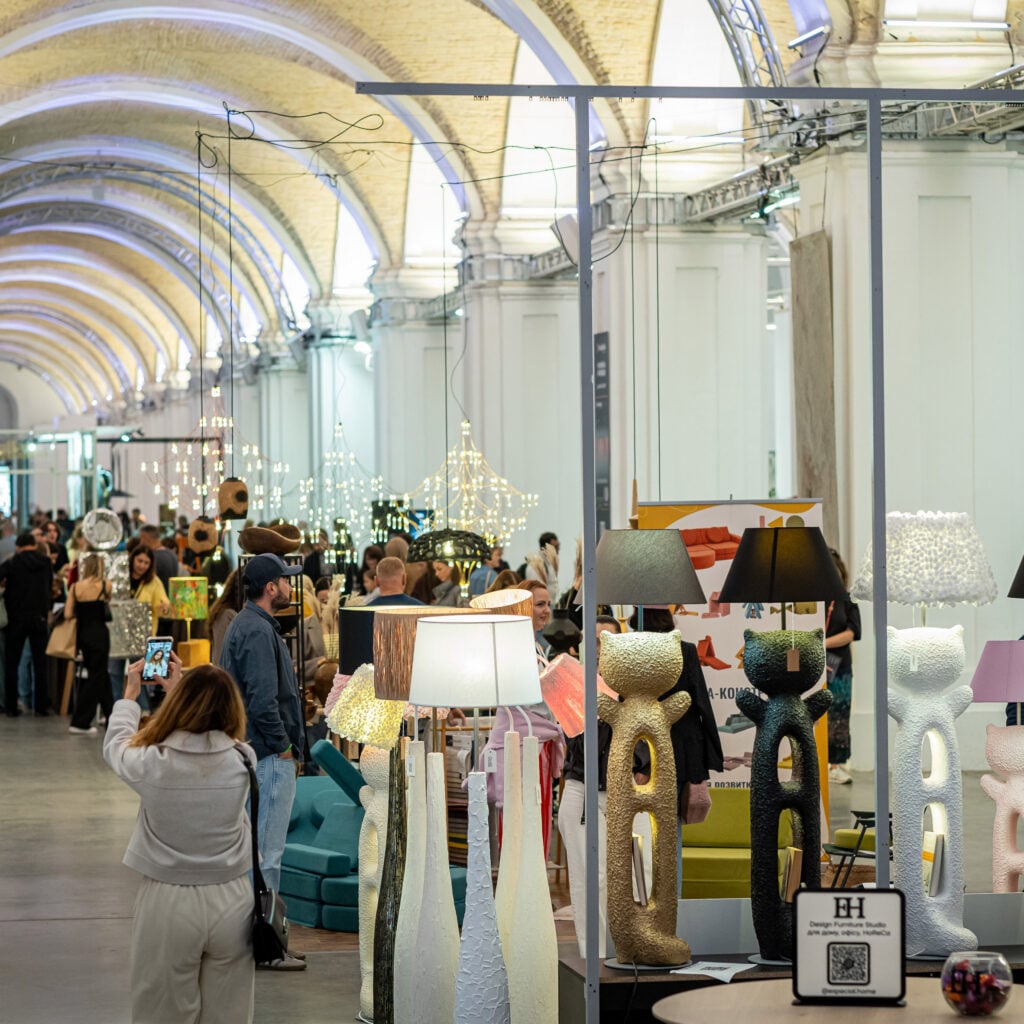
Ukrainian Design and Innovation Week recently concluded its latest edition in Kyiv, showcasing the persistence of local creators despite logistical disruptions and security risks. As Dezeen reports, founders Anatolii and Kateryna Roskovshenko highlighted the industry's ability to maintain production and launch new brands even as Russian strikes continue to target infrastructure.
Context from Industry Pulse
The survival of Ukrainian Design and Innovation Week, which joined the World Design Weeks network in 2023, illustrates a shift from emergency response to sustainable wartime operations. While early conflict stages focused on survival, current reporting from Dezeen indicates that designers are now focused on identity and material innovation. Brands like Gushka and Kint are merging historic weaving techniques with contemporary furniture design to preserve cultural heritage. This evolution occurs despite Amnesty International’s reports of increasingly deadly conditions for civilians. The design community’s ability to draw thousands of visitors to Kyiv for an indoor exhibition suggests that creative industries are serving as a vital pillar for economic and psychological resilience during the ongoing four-year threat.
"Several major Ukrainian furniture manufacturers have had their production facilities and warehouses hit by Russian strikes, causing significant damage and disrupting their work."
The Ukrainian design sector is navigating significant operational hurdles as military strikes increasingly impact civilian areas and industrial facilities. According to Dezeen, the recent Design and Innovation Week in Kyiv had to modify its programming to ensure safety, moving the flagship exhibition entirely indoors. The event occurred against a backdrop of air raid alerts and interruptions to essential utilities like electricity and water. Despite these threats, the festival hosted two hundred domestic brands across categories such as furniture, lighting, and textiles.
Operating within a conflict zone has forced manufacturers to rethink nearly every aspect of their business. As reported by Dezeen, the organizers noted that several furniture companies were unable to participate this year because their warehouses or production sites had been damaged in recent attacks. The remaining participants have had to manage rising costs, broken logistics chains, and the need to adjust schedules on short notice to accommodate power outages and security warnings.
Innovation is emerging from these constraints as brands explore sustainable materials and collaborative business models. Dezeen highlights several exhibitors who are blending traditional Ukrainian craftsmanship with modern techniques. For instance, the brand KosKa uses recycled paper-based biomass to create functional art, while Juniper utilizes sheep’s wool and wood from the Carpathian region. These efforts reflect a broader shift toward using localized resources to maintain supply chains that are less vulnerable to external disruptions.
Collaboration has become a survival strategy for the creative community in Kyiv. The organizers told Dezeen that the industry is evolving through shared knowledge and new connections, which helps businesses adapt to the prevailing uncertainty. The continued launch of new labels during this period suggests a level of confidence in the long-term viability of Ukrainian creative identity. By focusing on niche products that reflect their cultural heritage, these designers are maintaining a presence in both local and international markets.
The Industry Pulse Bottom Line
Ukrainian designers are proving that creative industries can endure extreme volatility by localizing supply chains, embracing traditional craftsmanship, and prioritizing collaborative networks to overcome physical and logistical infrastructure damage.