
Amentum and Kyoto Fusioneering Partner to Build Industrial Nuclear Fusion Plants
Engineering giant Amentum has entered a strategic partnership with Kyoto Fusioneering to accelerate the transition from experimental fusion physics to commercial energy production. As Interesting Engineering reports, the collaboration focuses on integrating specialized reactor hardware with large-scale industrial delivery management across the United States, Japan, and the United Kingdom.
Context from Industry Pulse
The push for commercial fusion reflects a shift from scientific discovery toward industrial application. Kyoto Fusioneering is utilizing a springboard provided by Japan’s national fusion strategy, which supports private ventures in western markets. By partnering with Amentum, the developer gains access to the systems engineering required for large-scale facility delivery. This collaboration is timely as U.S. Department of Energy facilities like DIII-D provide the necessary testbeds for verifying material resilience. The focus on divertor technology and tritium fuel cycles indicates that the industry is moving past basic plasma containment toward solving the logistical and thermal dilemmas of sustained power generation.
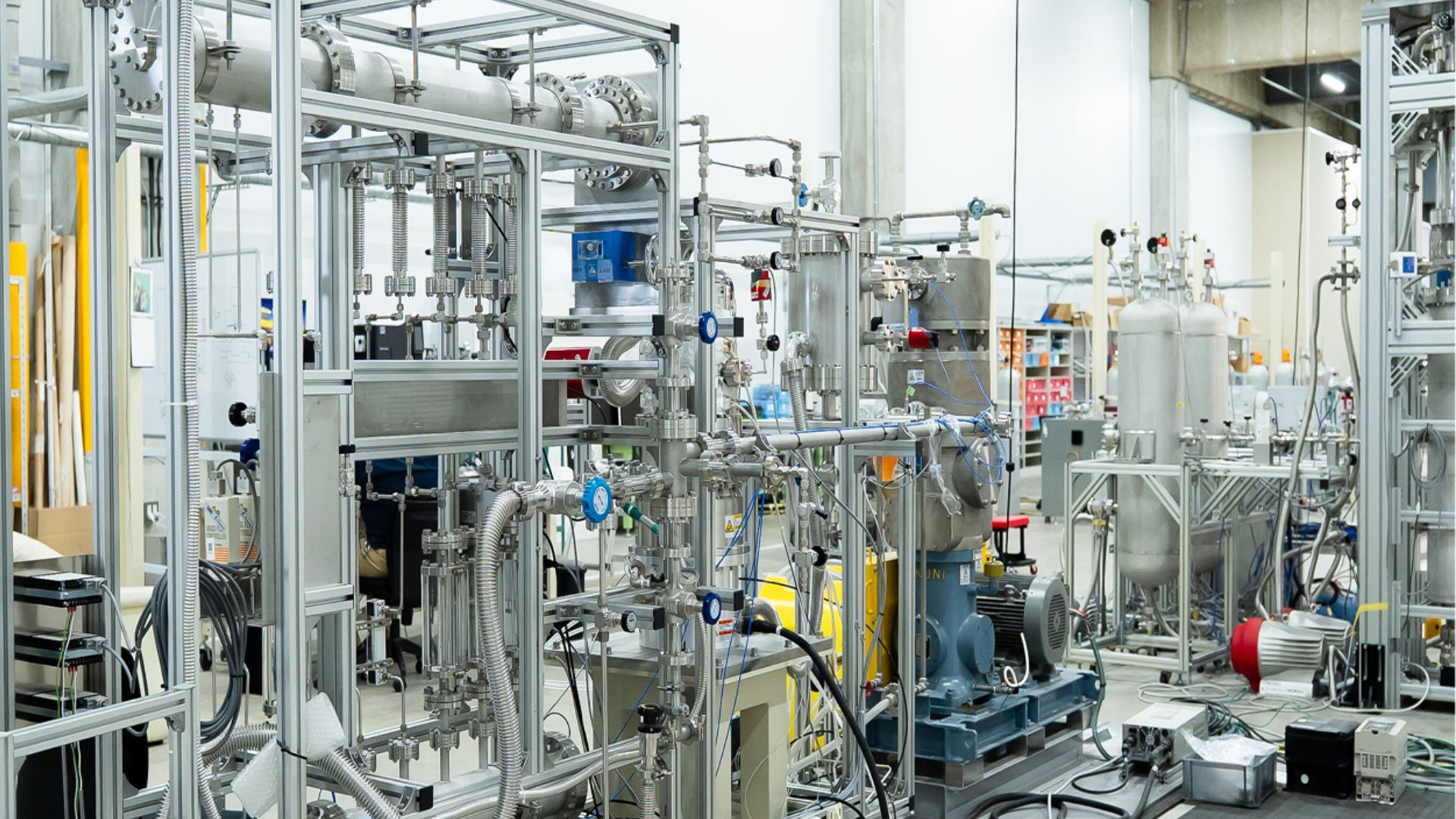
The transition of fusion energy from laboratory experiments to grid-connected power stations involves overcoming immense thermal and structural hurdles. According to Interesting Engineering, the new pact combines Amentum’s expertise in nuclear safety protocols and systems engineering with Kyoto Fusioneering’s advanced technical hardware. This hardware includes plasma heating units, fuel-cycle equipment, and tritium-generating breeding blankets essential for maintaining reactor operations.
A central component of the initiative involves utilizing digital engineering and artificial intelligence to simulate plant environments. Interesting Engineering notes that these virtual models are intended to shorten development timelines by predicting how equipment degrades over time, potentially saving costs by reducing the need for physical trial-and-error during the construction phase. This approach addresses the systems-level challenges inherent in building facilities that must withstand temperatures exceeding those of the solar core.
The partnership also leverages Kyoto Fusioneering’s ongoing work at the DIII-D National Fusion Facility in California. As Interesting Engineering reports, the firm is collaborating with Columbia University and the U.S. Department of Energy to test heat-resistant tiles for divertors. These exhaust components are critical for removing waste heat and impurities from the plasma chamber while ensuring the structural integrity of the surrounding walls.
Data from these California-based trials will inform future Department of Energy roadmaps for pilot plants. Interesting Engineering indicates that these tests help physicists evaluate plasma stability and select resilient materials for the next generation of reactors. Supported by Japan’s national fusion strategy, this international collaboration aims to provide the industrial scale necessary to move fusion technology into the commercial market.
The Industry Pulse Bottom Line
This partnership signals a maturation in the fusion sector, shifting the focus toward the complex systems engineering and specialized hardware manufacturing required to build and maintain viable industrial-scale power plants.