
Saft Launches EnerShift to Integrate Industrial Battery Storage and Trading
As reported by Interesting Engineering, Saft has introduced EnerShift, a comprehensive energy solution for industrial sites. This new platform integrates battery energy storage systems with financing and electricity market trading to help large-scale manufacturers lower overhead costs. The system allows facilities to optimize their power consumption while generating revenue by participating in dynamic energy markets.
Context from Industry Pulse
The launch of EnerShift reflects a pivot in industrial engineering where energy management is treated as a profit center rather than a fixed cost. By combining 9 MWh battery hardware with electricity trading capabilities, the system targets the high barrier to entry for storage projects. This development aligns with other high-tech shifts in the sector, such as the automation of interceptor missile production and the advancement of ferroelectric memory, which emphasize efficiency through specialized hardware. Saft’s approach suggests that the future of factory management relies on software-driven flexibility to navigate volatile utility markets while simultaneously supporting corporate sustainability and grid stability through localized energy reserves.
The EnerShift model addresses significant financial and logistical hurdles that typically prevent industrial firms from adopting large-scale storage. According to Interesting Engineering, the solution covers the entire project lifecycle, including initial feasibility assessments, equipment installation, and long-term operational oversight. By bundling these services with specialized financing options, the provider aims to make energy flexibility a viable strategic asset for energy-intensive sectors.
At the core of the system is the ability to capitalize on electricity market fluctuations. Interesting Engineering notes that the software manages battery charging and discharging cycles based on real-time market conditions. This intelligence allows factories to purchase electricity when prices are low and sell stored capacity back to the grid during peak demand. This automated trading provides a secondary revenue stream that does not increase the daily workload for on-site personnel.
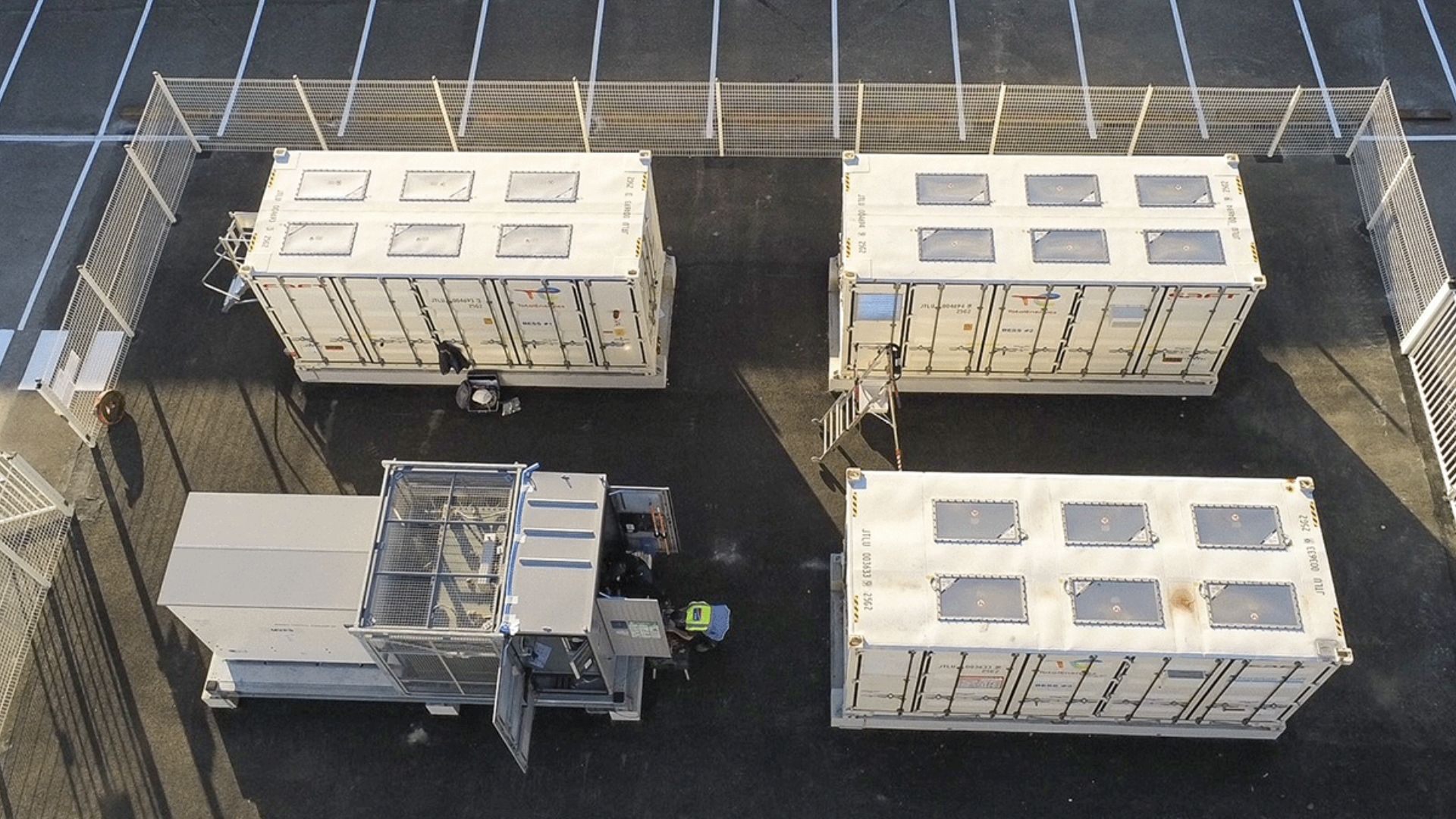
To prove the concept, a pilot project has been established at a production facility in Bordeaux, France. As Interesting Engineering reports, this installation features a 9 MWh battery energy storage system coupled with advanced management software. The facility targets a 15 percent reduction in annual electricity expenses through this optimized consumption and trading approach. Based on these projections, the site is expected to achieve a full return on investment within approximately five years.
Beyond immediate financial gains, the integration of battery technology supports broader industrial goals. Interesting Engineering highlights that such systems enhance operational resilience and help manufacturers meet decarbonization targets. By providing a buffer against price volatility and improving power reliability, the technology helps factories maintain competitiveness in an increasingly unstable energy landscape. The move signals a shift toward viewing storage not just as backup power, but as an active financial instrument.
The Industry Pulse Bottom Line
Saft EnerShift transforms industrial batteries from passive backup units into active revenue generators. By integrating trading and financing, the system enables factories to achieve a five-year payback while reducing annual electricity costs by fifteen percent.