
Argo Space Targets 2027 for Water-Powered Spacecraft Missions
According to Interesting Engineering, California-based startup Argo Space is preparing two missions for 2027 utilizing water-based propulsion technology. Founded by former SpaceX engineers, the company aims to leverage the potential availability of water on the moon to fuel future orbital transit and lunar logistics following a recent partial test flight success.
Context from Industry Pulse
Argo Space represents a growing trend of specialized startups emerging from the alumni networks of major aerospace firms like SpaceX. By focusing on water as a propellant, the company addresses two critical hurdles in space logistics: the volatility of cryogenic fuels and the high cost of lifting mass from Earth's gravity well. Although water propulsion has seen limited testing by NASA and other firms, Argo is scaling the concept for heavy-duty orbital shifts. The success of their 2027 missions depends on perfecting solar-powered electrolysis in the harsh environment of space, a technical challenge that proved difficult during their initial test flight's power failure.
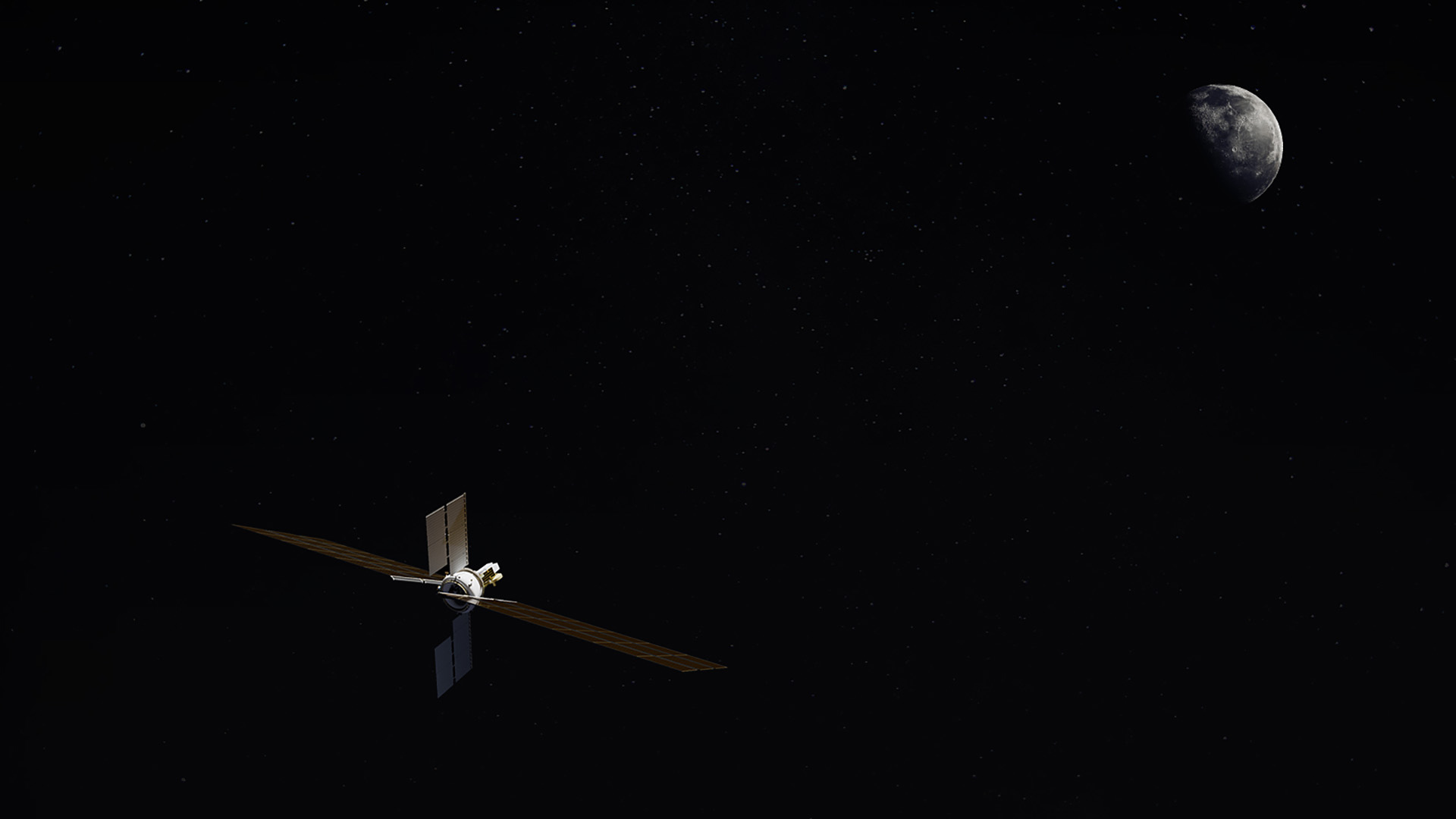
Argo Space is developing a novel propulsion system that utilizes liquid water as its primary fuel source. As reported by Interesting Engineering, the company plans to launch two Chiron spacecraft in 2027 to demonstrate this technology. The first mission will target low-Earth orbit using a commercial rocket, while the second will utilize a government-provided vehicle to reach geostationary transfer orbit. These missions follow an October recap of a July test flight where the startup successfully validated flight software and avionics despite a solar array deployment failure that ended the mission prematurely.
The propulsion method involves a process called electrolysis, where solar power splits liquid water into hydrogen and oxygen gases. According to Interesting Engineering, these gases are then burned in a conventional rocket engine to generate thrust. This approach is designed to provide higher thrust than typical electric propulsion systems while avoiding the need for the supercold storage tanks required by traditional liquid hydrogen and oxygen fuels. The company claims the 200-kilogram Chiron craft can produce enough speed change to move a satellite from low-Earth orbit to much higher altitudes.
Water offers several engineering advantages for spacecraft design. Interesting Engineering notes that water can be stored as a dense liquid at moderate pressures and serves as a coolant for on-board electronics and thrusters. By using the propellant for thermal management, the vehicle can allocate more of its total mass to fuel. This efficiency is central to the company’s larger ambitions, including the Argonaut vehicle which is designed to carry much heavier payloads than the Chiron model.
Long-term viability for the startup hinges on the ability to harvest water directly from the lunar surface. While this resource is currently only considered potentially harvestable, Interesting Engineering reports that Argo Space has already secured a partnership with ispace. Under this agreement, the Argonaut vehicle is scheduled to deliver a lunar relay satellite to orbit as early as 2027, marking a significant step toward establishing water-based infrastructure for deep space transit.
The Industry Pulse Bottom Line
Argo Space is betting on water-based electrolysis to simplify orbital logistics. If 2027 tests succeed, the company could establish a sustainable refueling model that utilizes lunar resources to bypass traditional terrestrial fuel constraints.