
Egyptian Fossil Discovery Challenges Traditional Theories of Ape Evolution
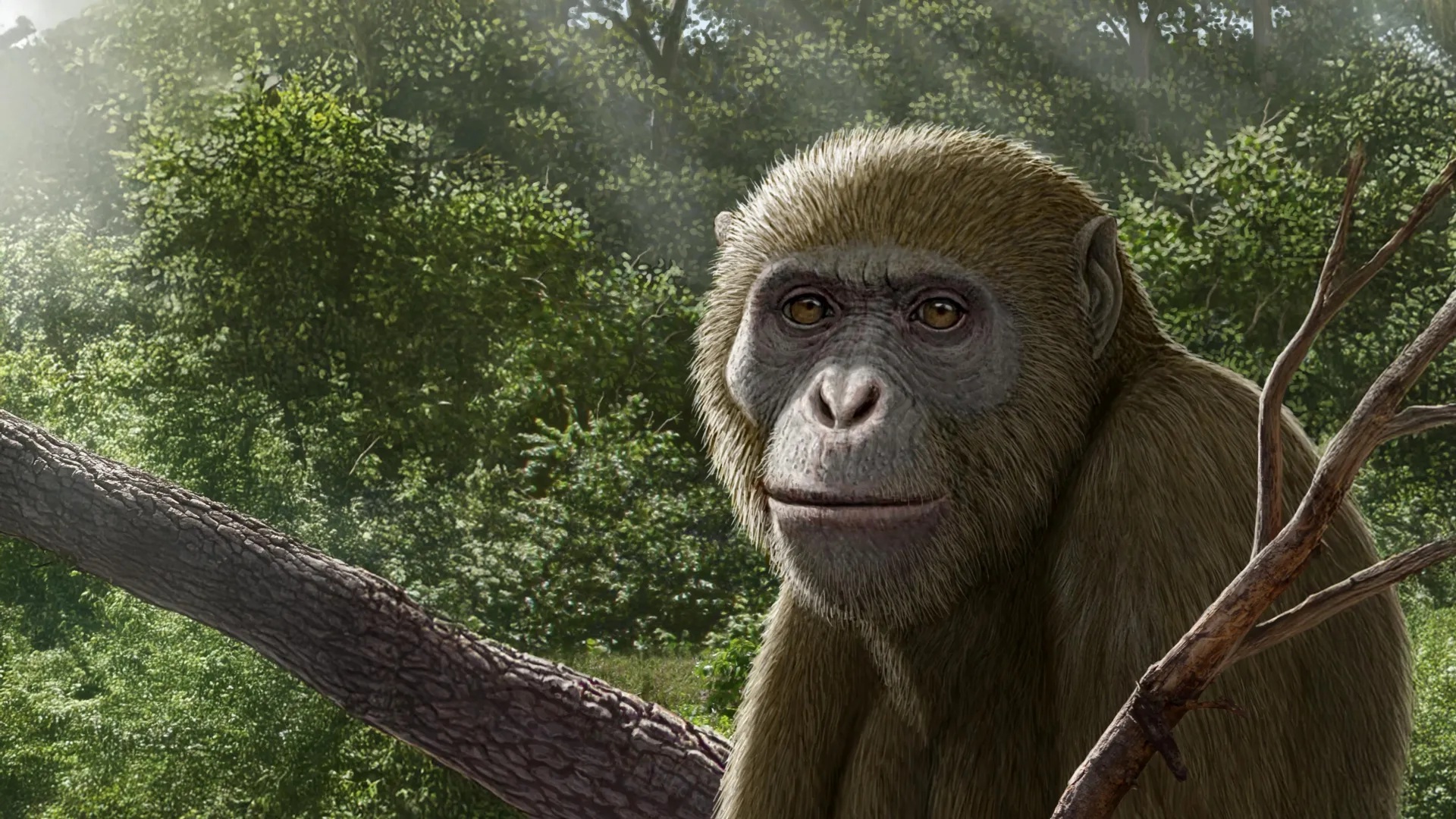
According to reporting from Interesting Engineering, paleontologists have identified a new 17-million-year-old ape species from a lower jaw fossil found in northern Egypt. The discovery suggests that North Africa and the Middle East, rather than East Africa, may have served as the evolutionary cradle for the common ancestor of all living apes.
Context from Industry Pulse
Before this discovery, the scientific consensus largely placed the origins of the common ancestor of living apes in East Africa, as Early Miocene sites in the north had only yielded monkey fossils. The identification of Masripithecus moghraensis fills a significant gap in the evolutionary timeline. It highlights how tectonic shifts and changing sea levels during the Miocene created migratory paths between continents. According to Interesting Engineering, these geographical factors allowed North Africa and the Middle East to act as a hub for primate diversification. The findings suggest that future exploration in under-studied regions may continue to revise the established narrative of primate and human ancestry.
Fieldwork conducted between 2023 and 2024 at the Wadi Moghra site in northern Egypt resulted in the recovery of a robust lower jaw belonging to a previously unknown species named Masripithecus moghraensis. This find represents the first definitive fossil ape ever recorded in North Africa. As Interesting Engineering reports, the specimen dates back to the Early Miocene, approximately 17 to 18 million years ago, a period previously thought to be dominated by monkeys in this specific region.
The anatomical features of the jaw indicate a versatile diet. Researchers observed very large canine and premolar teeth alongside molars featuring rounded and textured surfaces. This morphology suggests the animal was a flexible eater capable of consuming fruit as well as harder foods like seeds and nuts. This adaptability likely allowed the species to survive as the regional climate became increasingly seasonal due to environmental shifts.
Statistical analysis using Bayesian methods integrated DNA from living apes with the anatomical traits of both extinct and modern species. The results indicate that Masripithecus moghraensis shares a closer relationship with modern apes than any known Early Miocene species from East Africa. This finding shifts the focus of evolutionary history toward the northern edge of the continent, where land bridges were forming as the African and Arabian tectonic plates collided with Asia.
During this geological era, fluctuating sea levels created a natural corridor for animal migration. Interesting Engineering notes that the presence of this species in northern Egypt provides a critical link between the African and Eurasian fossil records. It suggests that apes were already diversifying in this northern corridor before spreading into Europe and Asia, prompting a significant rethink of the geographic origins of the primate lineage that eventually led to humans.
The Industry Pulse Bottom Line
The discovery of Masripithecus moghraensis redefines the geographic origins of the ape lineage, suggesting that northern migratory corridors were central to the diversification and eventual global spread of primate ancestors.