
China Deploys High-Altitude Solar Thermal Facility at 14,100 Feet
China General Nuclear Power Group has successfully activated the first unit of a high-altitude solar project in Ngari Prefecture. As Interesting Engineering reports, the 150-megawatt facility represents a milestone for renewable energy deployment at 4,300 meters, utilizing a hybrid photovoltaic and solar thermal configuration to ensure stable power delivery.
Context from Industry Pulse
The activation of the Gar County facility highlights a shift toward hybrid renewable systems designed for geographic extremes. While traditional photovoltaic systems are vulnerable to intermittent sunlight, the integration of concentrated solar power and molten-salt storage provides a dispatchable energy source. This technical strategy addresses the mismatch between peak production and peak demand, which is particularly acute in isolated regions. The parallel development of the Amdo County tower-type plant suggests that China is testing multiple solar thermal configurations to determine which method best handles the logistical and atmospheric pressures of high-altitude operations, such as severe winter cycles and equipment maintenance in thin air.
"Thermal storage allows this process to continue when sunlight weakens or disappears. In the Gar County project, CGN is using a photovoltaic-plus-molten-salt-electric-heating approach."
The newly commissioned facility in Gar County serves as a demonstration of energy resilience in extreme environments. By integrating a 100-megawatt photovoltaic plant with a 50-megawatt solar thermal station, the site overcomes the traditional limitations of solar energy. According to Interesting Engineering, the system utilizes a molten-salt-electric-heating method to store surplus energy generated during peak daylight hours. This stored thermal energy is later converted into steam to drive turbines, providing dispatchable electricity when sunlight is unavailable.
Operating at an average elevation of 14,100 feet introduces significant engineering hurdles. Interesting Engineering notes that the project team had to account for low air density, intense solar radiation, and extreme temperature fluctuations. Construction was further complicated by oxygen-deficient conditions and a limited seasonal window for effective installation. Despite these challenges, the plant is expected to produce approximately 270 million kilowatt-hours of electricity annually while significantly reducing carbon dioxide emissions.
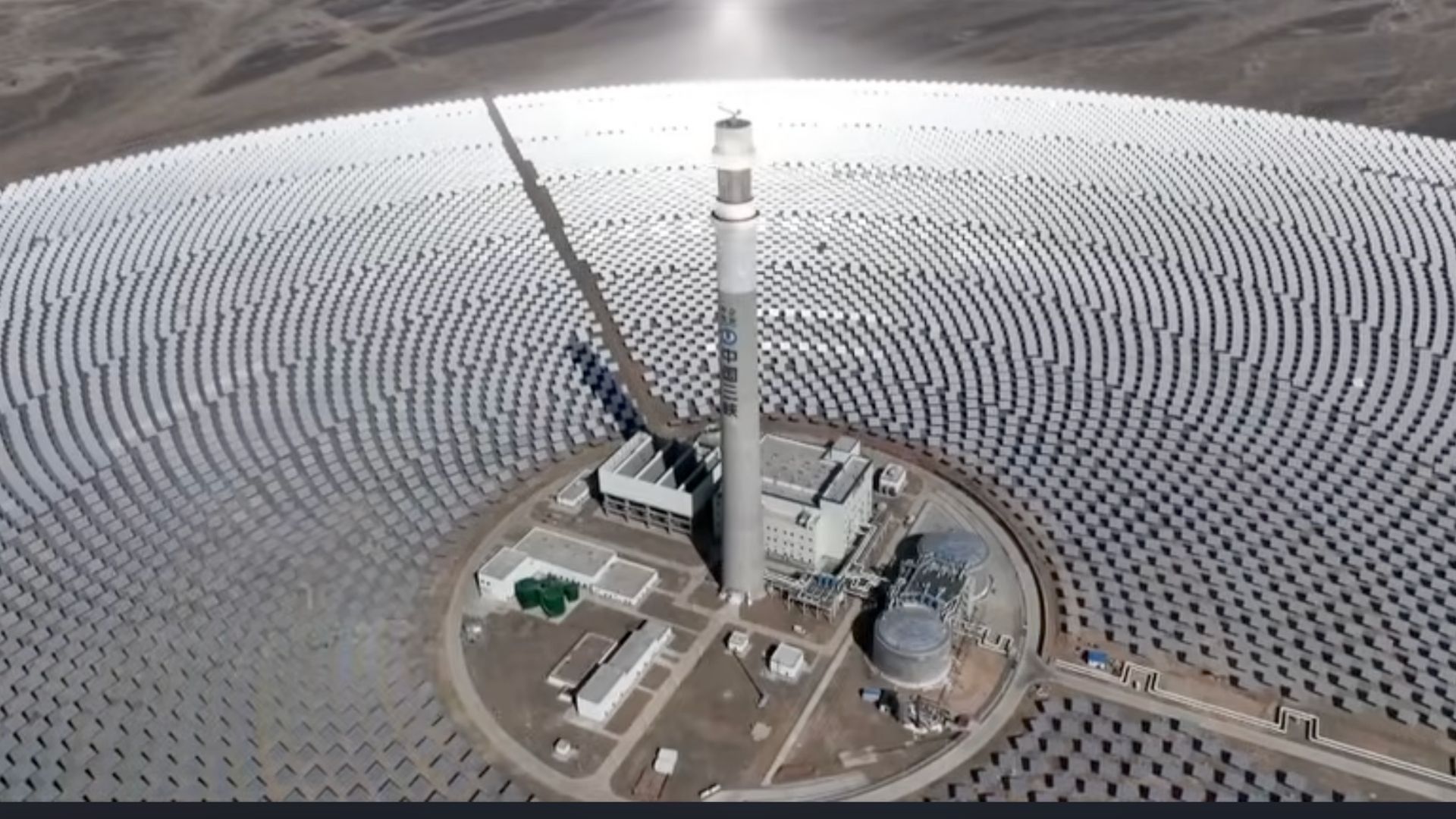
This project is part of a broader push to expand renewable infrastructure across the Tibetan Plateau. Interesting Engineering highlights a separate 100-megawatt tower-type facility under development in Amdo County at an even higher elevation. Unlike the Gar County project, which uses photovoltaic panels to heat salt, the Amdo site employs a field of over 15,000 sun-tracking mirrors to concentrate sunlight directly onto a central receiver tower.
These initiatives are critical for remote regions where grid stability is often compromised by harsh winter conditions and difficult terrain. By shifting daytime generation to meet evening demand through thermal storage, these plants provide a more reliable power supply. Beyond the technical achievements, the construction of the Gar facility supported the local economy by providing employment for more than 500 residents.
The Industry Pulse Bottom Line
China's successful integration of solar thermal storage at extreme altitudes demonstrates that hybrid renewable systems can overcome intermittency issues, offering a scalable blueprint for energy security in remote, high-elevation territories.