
Corporate Recruitment Shifts After Ruling Against Race-Conscious Admissions
According to the Hechinger Report, many private employers have dismantled campus recruitment programs targeting diverse students following the 2023 Supreme Court ruling on affirmative action. Although the decision specifically addressed college admissions, a new investigation reveals that companies are scaling back diversity language and affinity-based internships due to legal fears and political pressure.
Context from Industry Pulse
The current shift in recruitment mirrors a broader trend of institutional restructuring reported by the Hechinger Report and Inside Higher Ed. While colleges are exploring new ways to engage students in democratic work and hands-on training, they are simultaneously facing federal mandates to consolidate student aid data and potential cuts to health services. The retreat from diversity initiatives by private employers adds another layer of complexity for university career centers, which must now navigate a landscape where previously established pipelines for underrepresented students are being dismantled in response to executive orders and judicial precedents originally intended for admissions.
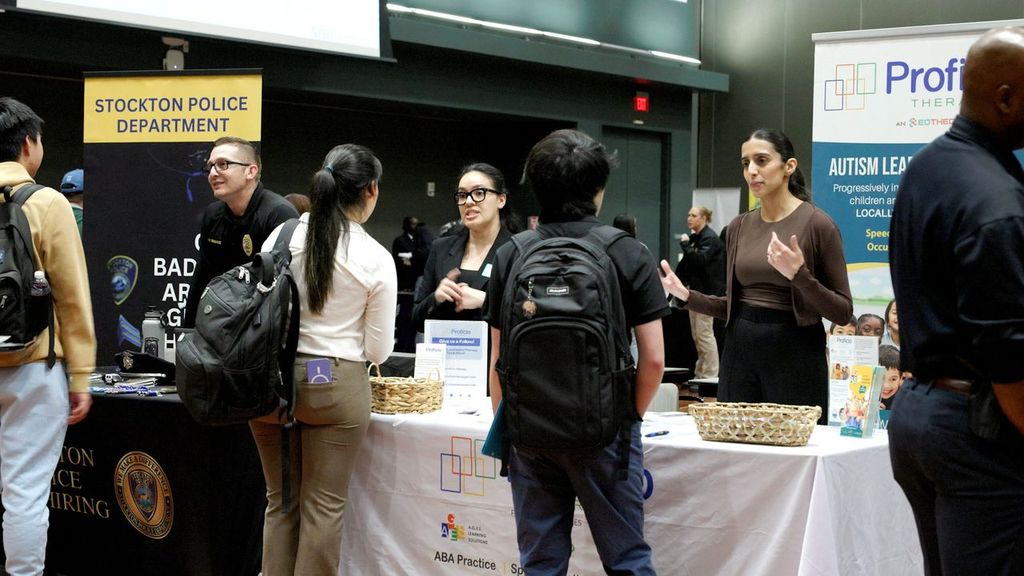
Corporate pipelines that previously prioritized Black, Latino, and first-generation college students are disappearing as firms react to a shifting legal and political landscape. According to the Hechinger Report, career center officials at institutions like Occidental College have observed a significant withdrawal of finance firms and other recruiters who once hosted job shadowing and affinity information sessions specifically for underrepresented groups. These programs often served as primary pathways for junior-year internships that converted into full-time employment offers.
While the Supreme Court ruling in 2023 officially targeted race-conscious admissions in higher education, its influence has permeated the private sector. The Hechinger Report notes that a Columbia Business School survey found half of human resources professionals incorrectly believed the court’s decision applied to workplace hiring laws. This confusion, paired with concerns over potential litigation and public criticism, has led many organizations to revise their recruitment strategies and remove specific representation goals from their hiring pipelines.
External political pressures have accelerated this retreat from diversity, equity, and inclusion initiatives. As the Hechinger Report highlights, a 2025 executive order targeted diversity hiring within federal agencies and contractors, while also urging private corporations and universities with large endowments to follow suit. Conservative think tanks have further pressured businesses to revoke corporate DEI positions and statements, warning that such programs could jeopardize government contracts.
Sociology experts suggest this trend represents a significant backlash to the racial justice commitments made by many institutions following 2020. The full economic impact of these changes will likely not be measurable until 2028, when the first class of students admitted under the post-affirmative action guidelines enters the professional workforce. Currently, however, the immediate effect is a visible reduction in specialized pathways for minority students seeking entry-level professional roles.
The Industry Pulse Bottom Line
For education leaders, the erosion of diversity-focused job pipelines means career services must pivot to new placement strategies as traditional corporate partnerships for minority and first-generation students face increasing legal and political scrutiny.