
Corporate Recruitment for Diverse Students Declines Following DEI Policy Changes
The Hechinger Report indicates that job pipelines for Black and Hispanic students are narrowing as companies roll back recruitment programs. This shift follows the Supreme Court ban on race-conscious admissions and subsequent executive orders from President Donald Trump targeting diversity, equity, and inclusion initiatives in various sectors.
Context from Industry Pulse
The current downturn in diversity-focused recruitment is part of a broader regulatory and judicial landscape that has redefined how institutions interact with race. While the Supreme Court's ruling was limited to admissions, the Hechinger Report suggests it catalyzed a chilling effect across the professional world. This is compounded by federal executive orders targeting DEI initiatives, leading many companies to preemptively shutter internship programs and scholarships once reserved for underrepresented groups. As elite universities see a sharp decline in Black student enrollment, the resulting cascade effect alters the applicant pool for corporations, further complicating efforts to maintain diverse workforces in a climate of legal and political uncertainty.
Corporate recruitment efforts aimed at underrepresented students have significantly decreased following the intersection of recent judicial rulings and federal policy shifts. According to Hechinger Report, data from the research firm Veris Insights shows that the number of large employers prioritizing diversity when choosing where to send campus recruiters fell from nearly 60 percent in 2022 to 31 percent in 2025. This reduction in outreach has left many students and career counselors concerned that traditional pipelines into the workforce are disappearing.
While the Supreme Court decision technically focused only on university admissions, its practical impact has extended into the private sector. The Hechinger Report notes that many corporations have dismantled or revised recruitment programs to avoid potential lawsuits or political scrutiny. Research from Columbia Business School suggests that companies are reconsidering how they build candidate pools, often removing diversity-specific language from their hiring criteria to mitigate risk.
At elite institutions, the demographic shift is already visible. For example, Hechinger Report highlights that the percentage of Black students in the first-year class at Harvard University dropped from 18 percent in 2023 to 9.3 percent in 2024. Experts suggest this creates a cascade effect where high-achieving students who are not admitted to top-tier schools occupy spots at less competitive institutions, potentially displacing other underrepresented applicants throughout the higher education system.
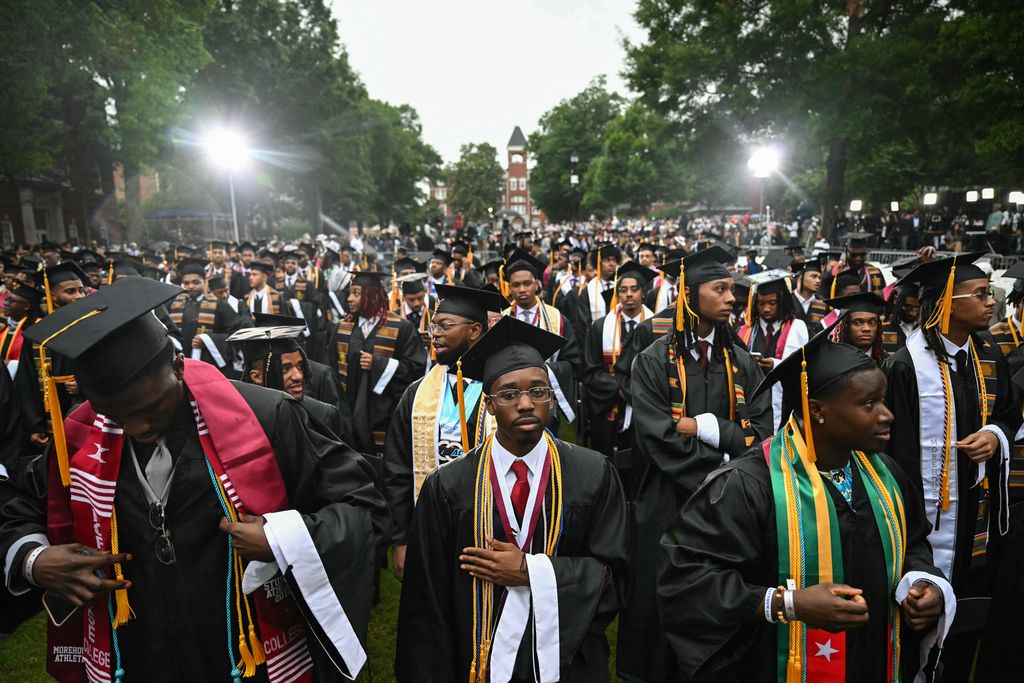
Despite the broader decline in corporate DEI efforts, students at historically Black colleges and universities maintain a different outlook. Students at Howard University told Hechinger Report that their institutions provide a unique support network and a reputation for producing elite, well-mentored candidates. They continue to encourage prospective students of color to choose HBCUs as a way to remain competitive in a shifting labor market.
The Industry Pulse Bottom Line
The retreat from campus diversity recruiting represents a significant shift in corporate risk management, prioritizing legal insulation over established pipeline programs. This creates new barriers for first-generation and minority graduates entering the workforce.