Gut-to-Brain Pathway Links Nutrient Consumption to Spatial Memory
Industry Pulse News Desk · 2026-08-29
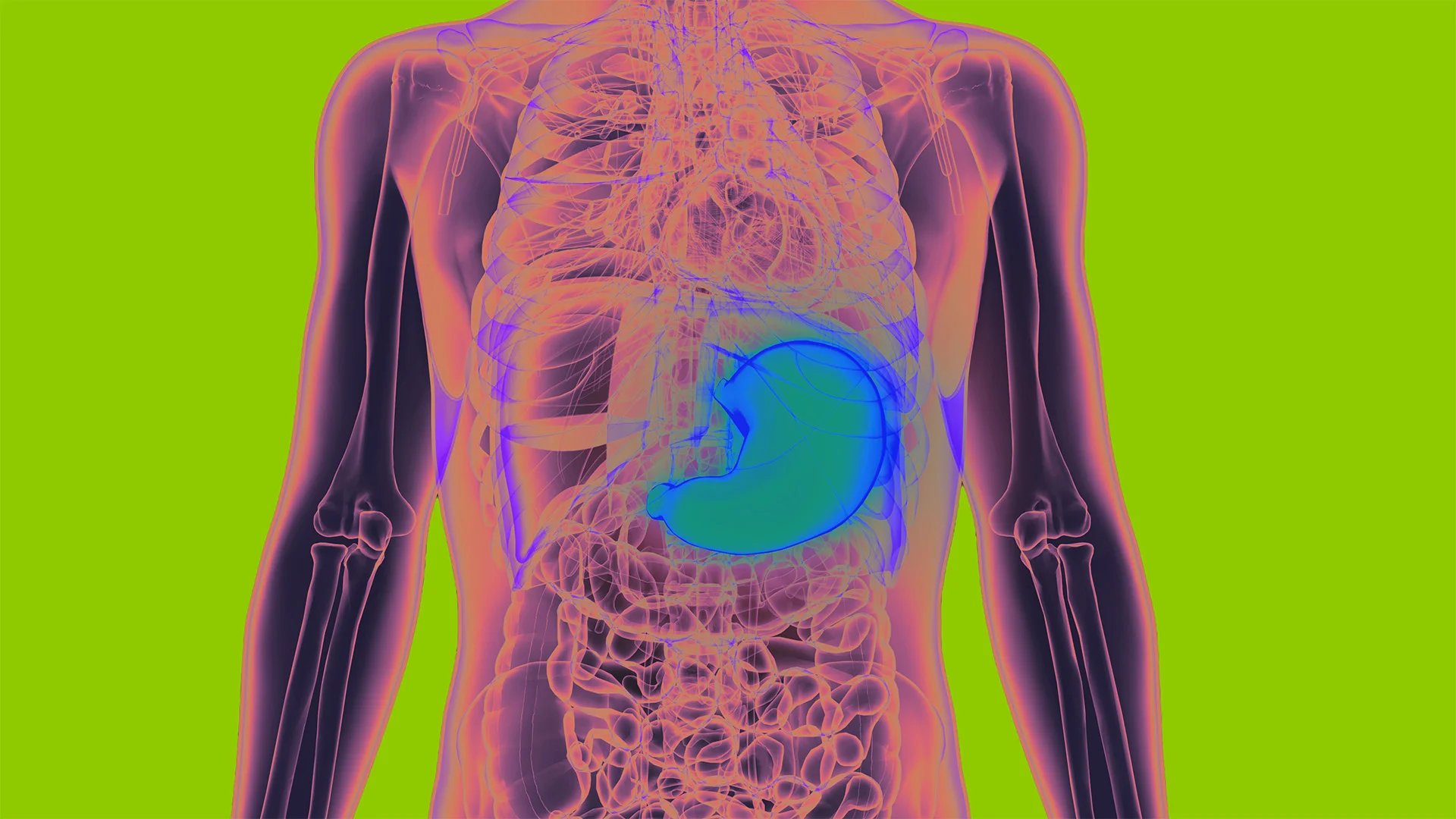
A new study shows that nutrient-dense meals trigger a neural pathway that enhances memory, while prolonged consumption of processed foods impairs the mechanism.
LOS ANGELES — Researchers at the University of Southern California have identified a gut-to-brain neural pathway that signals the location of nutrient-dense food to the brain's memory center. The study reveals that consuming nutrient-rich meals triggers a distinct biological mechanism that enhances spatial memory, while long-term consumption of unhealthy diets significantly weakens this response.
The findings center on how the vagus nerve acts as a direct communication line between the digestive system and the hippocampus, the region responsible for memory formation. When nutrients enter the stomach, specific sensors activate vagal sensory neurons, sending signals that reinforce the recollection of where the meal was obtained.
In laboratory models, subjects consuming high-quality nutrients demonstrated improved spatial recall and stronger neural activity within memory circuits. The mechanism appears designed to help organisms remember locations where high-value sustenance is consistently available.
Conversely, subjects fed diets high in saturated fats and refined sugars over extended periods exhibited degraded signaling along the vagal pathway. This disruption led to reduced hippocampal stimulation and lower performance on spatial memory tasks, even when nutrient-dense options were reintroduced briefly.
Researchers noted that the impairment caused by prolonged poor nutrition suggests a potential biological link between chronic diet quality and cognitive decline. Further studies are planned to determine whether dietary interventions can restore damaged gut-brain signaling pathways.