Grail Cancer Detection Test Fails to Prove Late-Stage Detection in Study
Industry Pulse News Desk · 2026-09-23
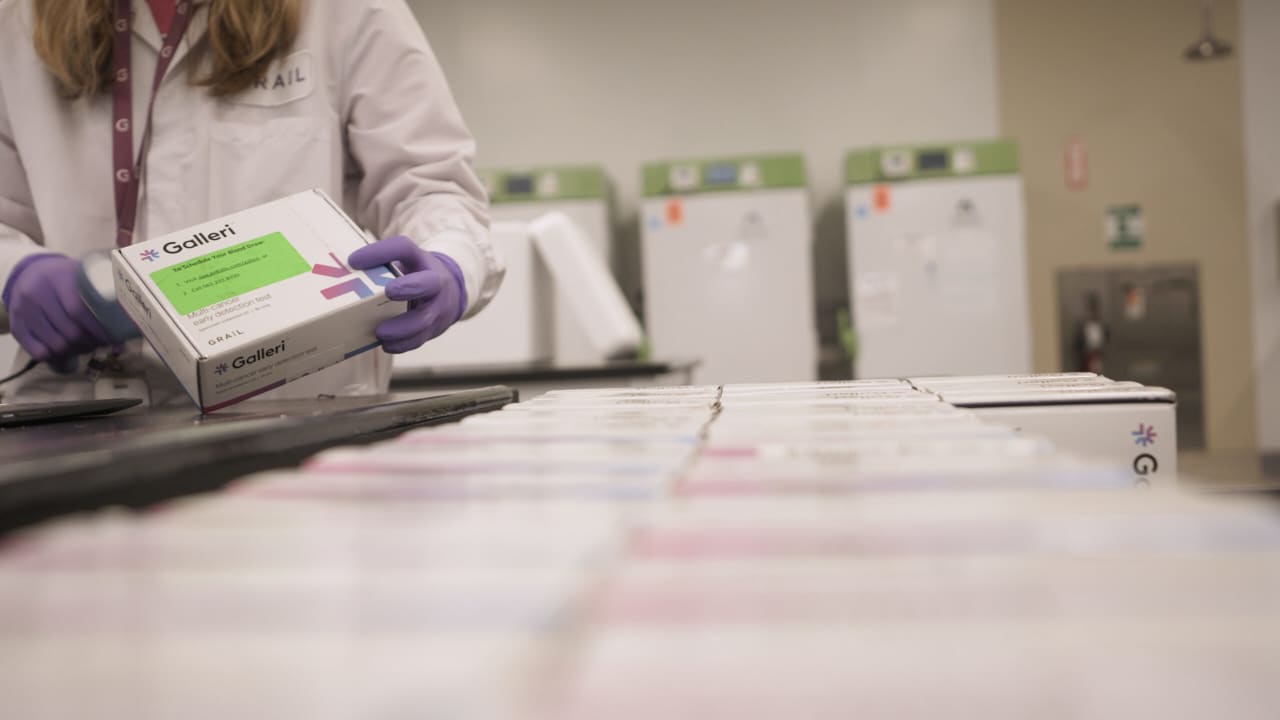
A major study evaluating Grail's Galleri blood test failed to show it could detect later-stage cancers, complicating efforts to secure insurance coverage.
A multi-cancer early detection blood test developed by biotechnology company Grail failed to demonstrate effectiveness in identifying later-stage cancers in a major clinical trial. The outcome marks a setback for the commercial development and regulatory trajectory of the screening technology.
Known as Galleri, the test relies on a single blood draw to search for biological signals associated with more than 50 distinct types of cancer. Although designed to detect malignancies prior to the onset of physical symptoms, the trial failed to prove its efficacy in identifying cancers at more advanced stages.
The trial performance is expected to influence upcoming decisions regarding formal regulatory review. Approval from the U.S. Food and Drug Administration remains a key requirement before public healthcare programs, such as Medicare, and private health plans will evaluate reimbursement for the diagnostic tool.
Without FDA approval and subsequent insurance coverage, patients seeking the test must pay out-of-pocket costs. Health plan administrators typically demand clear evidence of clinical benefit and reduced mortality before authorizing broad coverage for emerging liquid biopsy tools.
Industry stakeholders continue to monitor ongoing evaluations to determine whether multi-cancer screening technology can successfully complement standard diagnostic protocols. Regulators are assessing how to balance early detection capabilities against potential risks regarding accuracy and follow-up care.