Google Scheduled to Launch Orbital AI Prototype Under Project Suncatcher
Industry Pulse News Desk · 2026-09-24
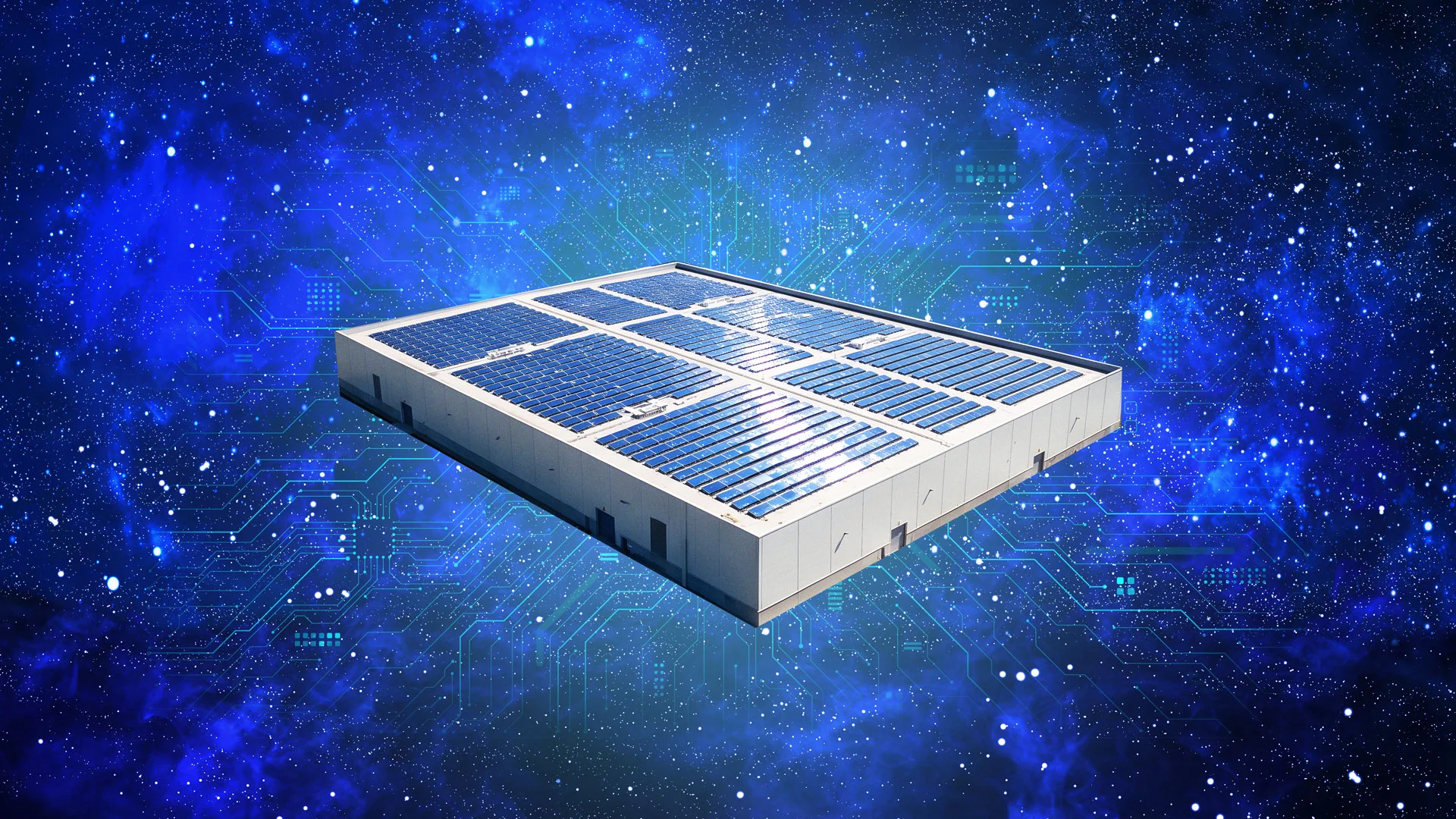
The upcoming mission will test space-based computing hardware designed to process artificial intelligence workloads in low-Earth orbit.
Alphabet Inc.'s Google is scheduled to launch a prototype artificial intelligence satellite next week under an initiative designated Project Suncatcher. The upcoming mission marks the company's first operational test of space-based computing infrastructure designed to support advanced machine learning tasks.
The payload consists of a compact satellite outfitted with specialized processing hardware designed to execute complex data algorithms directly in low-Earth orbit. Mission parameters focus on evaluating hardware stability, thermal management, power efficiency, and data transmission capabilities under orbital conditions.
The deployment comes as global demand for artificial intelligence infrastructure places unprecedented pressure on terrestrial data centers. Ground-based facilities face mounting challenges, including land acquisition limits, massive electricity consumption, and complex water-cooling requirements necessary to keep high-density server racks operational.
Placing data processing assets in space could eventually provide access to continuous solar power and reduce reliance on local electrical grids. However, technical hurdles remain regarding network latency, radiation shielding, and long-term hardware maintenance in orbital environments.
Project Suncatcher is expected to serve as a proof-of-concept for broader commercial developments, as several technology and aerospace companies explore similar space-based server networks. Successful deployment would mark an initial step toward hybrid computing networks combining ground facilities and orbital hardware.
Launch operations are finalized for next week, with telemetry and initial performance data scheduled for collection following orbital insertion. Further mission milestones will depend on the prototype's ability to maintain stable operations during initial system calibrations.