
Industry Pulse News Desk · Edited by Stepan Kroka · · 8h ago
GLP-1 Drugs Outperform Metformin in Reversing Prediabetes, Study Finds
An analysis of more than 250,000 patient records shows GLP-1 drugs are more effective than metformin at restoring normal glucose levels and curbing heart risks.
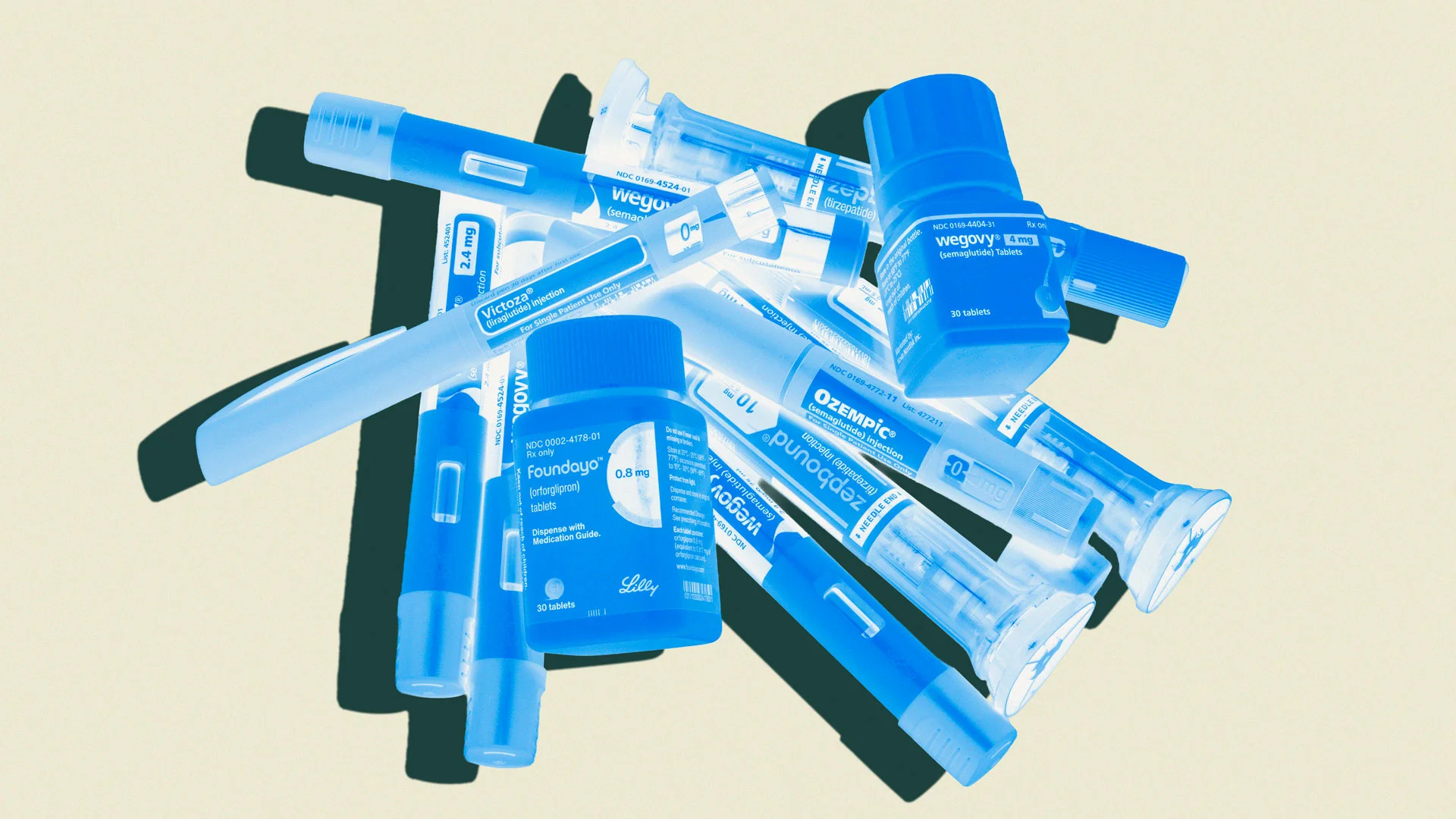
Glucagon-like peptide-1 receptor agonists, widely prescribed for diabetes and weight loss, demonstrate greater efficacy than metformin in reversing prediabetes and lowering cardiovascular risks, according to a large-scale clinical analysis by Mayo Clinic researchers.
The retrospective study examined health records from more than 250,000 patients diagnosed with prediabetes. Researchers tracked glycemic control and cardiovascular outcomes, determining that individuals treated with GLP-1 therapies were significantly more likely to return to normal blood glucose levels than those prescribed metformin, the long-standing standard of care.
In addition to improved blood sugar management, patients on GLP-1 regimens experienced a reduced incidence of major adverse cardiovascular events. The data indicated measurable declines in heart disease risk factors, suggesting that the protective mechanisms of the drug class take effect earlier in the progression of metabolic disease than previously established.
Metformin has historically served as the primary pharmacological intervention for prediabetes and early-stage type 2 diabetes due to its established safety profile, oral availability, and low cost. While lifestyle modifications remain the first line of prevention, researchers noted that pharmacological strategies may warrant reevaluation as newer therapies demonstrate superior preventative outcomes.
The findings add to a growing body of evidence supporting expanded indications for GLP-1 medications beyond obesity management and advanced diabetes care. Medical specialists expect the data to inform evolving clinical practice guidelines and influence discussions surrounding insurance coverage for early-stage metabolic interventions.