
Maybelline Evolves Marketing Strategy via Love Island USA and AI Integration
Maybelline is shifting its marketing approach away from traditional sponsorships toward deeper cultural integration, according to reporting from Glossy Beauty. By leveraging partnerships with Love Island USA and the New York City Marathon, the cosmetics brand aims to insert its products into existing consumer behaviors rather than simply displaying logos during popular events.
Context from Industry Pulse
The beauty industry is currently witnessing a tactical shift as brands move from passive visibility to active participation in consumer hobbies and digital habits. Maybelline’s refusal to use traditional sponsorship models reflects a broader need for brands to compete with indie and prestige labels within a single makeup bag. By utilizing AI through ChatGPT and creating short-form serialized dramas like its recent holiday series, the brand is addressing the fragmented nature of modern media consumption. These efforts, combined with high-impact reality TV integrations that drove a 25 percent increase in lip category market share, suggest that functional utility and entertainment are now central to maintaining mass-market dominance.
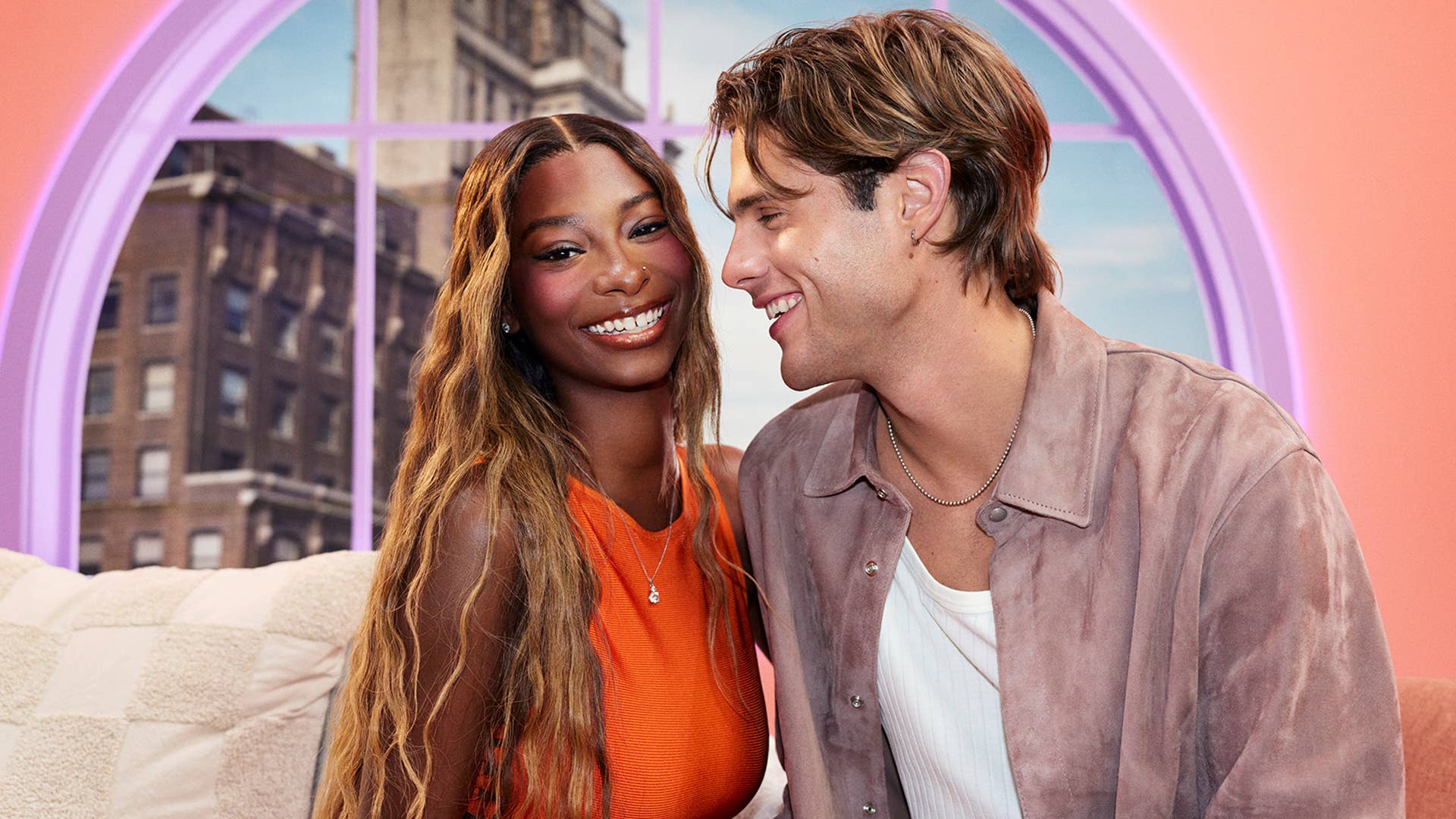
Yasmin Dastmalchi, the president of Maybelline and Essie USA, has eliminated the word sponsorship from her team's internal vocabulary. As Glossy Beauty reports, the brand now focuses on becoming a natural part of consumer lifestyles. This strategy was recently highlighted during the third year of the brand's partnership with the television show Love Island USA. Instead of basic product placement, the company integrated its Lifter Gel lip gloss into a specific show challenge and collaborated on the series' official voting app.
The integration led to significant commercial results. According to Glossy Beauty, sales for the Lifter Gel Lip Oil-in-Gel increased ten times between the season premiere and its finale. The product, which represented less than five percent of the brand's lip unit sales in May, surged to over thirty percent by July. Dastmalchi noted that the goal was to increase brand desirability in a market where shoppers frequently mix drugstore items with luxury and indie products.
Beyond reality television, the brand is exploring original entertainment and technological utilities. Glossy Beauty highlights a five-part vertical series titled Maybe This Christmas, which featured Maybelline products and ran on TikTok and YouTube. This move follows the brand's attempt to create serialized content that encourages viewers to stay engaged across multiple episodes rather than skipping traditional advertisements.
Technological innovation is also a key pillar of this new direction. On October 29, the brand introduced a virtual makeup try-on feature within ChatGPT. Using L’Oréal’s ModiFace technology, the system allows users to receive product recommendations and preview shades through their cameras. This tool is designed to provide specific answers to functional questions, such as identifying a lipstick capable of lasting through the New York City Marathon.
The Industry Pulse Bottom Line
Maybelline’s success demonstrates that moving beyond simple logo placement toward deep cultural integration and AI-driven utility can drive massive sales spikes, even for established brands facing heavy competition from indie labels.