
Patrick Ta Beauty Files Lawsuit Against CVS Over Unauthorized Product Diversion
According to Glossy Beauty, makeup brand Patrick Ta Beauty has filed a lawsuit against CVS and Canadian distributor Akstrom. The litigation focuses on the unauthorized sale of cosmetics within a newly launched off-price section at CVS called fresh beauty finds, highlighting ongoing friction regarding gray market product distribution within the retail industry.
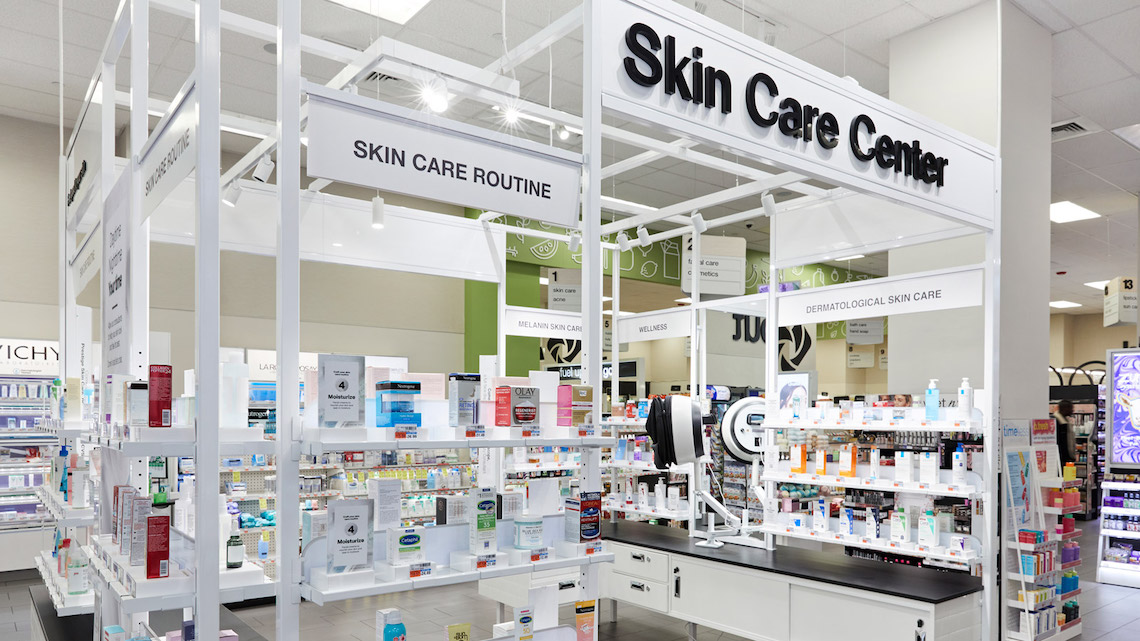
Context from Industry Pulse
The lawsuit arrives as pharmacy leaders seek new revenue streams to offset industry-wide challenges. Glossy Beauty reports that CVS generated 400 billion dollars in fiscal 2025, but the company is increasingly leaning into off-price beauty sections to remain competitive. This shift mirrors the success of firms like TJX, which reached 56 billion dollars in net sales during the same period. While off-price channels offer brands a way to clear excess inventory or raise quick capital, they also risk violating exclusivity agreements with prestige partners like Sephora. The Patrick Ta litigation underscores the difficulty of maintaining brand equity when sophisticated legal teams at major retailers clash with indie brand distribution controls.
The legal action follows the discovery of Patrick Ta Beauty products in CVS stores despite the brand not having an official retail agreement with the pharmacy chain. As reported by Glossy Beauty, the brand is seeking the destruction of promotional materials used by CVS to market these items. The lawsuit addresses the complexities of product diversion, where authentic goods are traded through channels not intended by the manufacturer. This practice has historically involved resellers collecting inventory from salons or wholesalers moving excess stock to generate immediate cash flow.
Industry analysts cited by Glossy Beauty suggest that CVS legal counsel likely reviewed the sale of these products before they reached shelves. However, the litigation remains complex as it involves questions about how Akstrom originally sourced the inventory. The situation is further complicated by potential contractual obligations between indie brands and their primary partners. Legal experts noted that major retailers like Sephora often maintain exclusivity terms that could be violated if products appear in unauthorized secondary markets.
The rise of off-price retail has become a significant factor in this dispute. Glossy Beauty notes that while CVS generated 400 billion dollars in fiscal 2025 revenue, it faces broader pharmacy retail challenges that make competitive beauty categories like fresh beauty finds attractive for boosting sales. Similarly, off-price leader TJX saw net sales reach 56 billion dollars in 2025, illustrating the massive scale of the discount beauty market.
While Patrick Ta Beauty and CVS have declined to comment on the pending litigation, the case serves as a warning for the beauty industry. The outcome may determine how brands protect their supply chains from distributors who sell inventory to unauthorized third parties. For now, the case highlights the tension between a brand's desire for controlled distribution and a retailer's pursuit of high-demand inventory through the gray market.
The Industry Pulse Bottom Line
This lawsuit highlights the growing conflict between brand exclusivity and the expansion of off-price beauty retail, signaling a potential crackdown on how distributors manage inventory in the gray market.