Gloria Steinem NYC Residence Highlighted as Historic Center of Feminist Movement
Industry Pulse News Desk · 2026-09-06
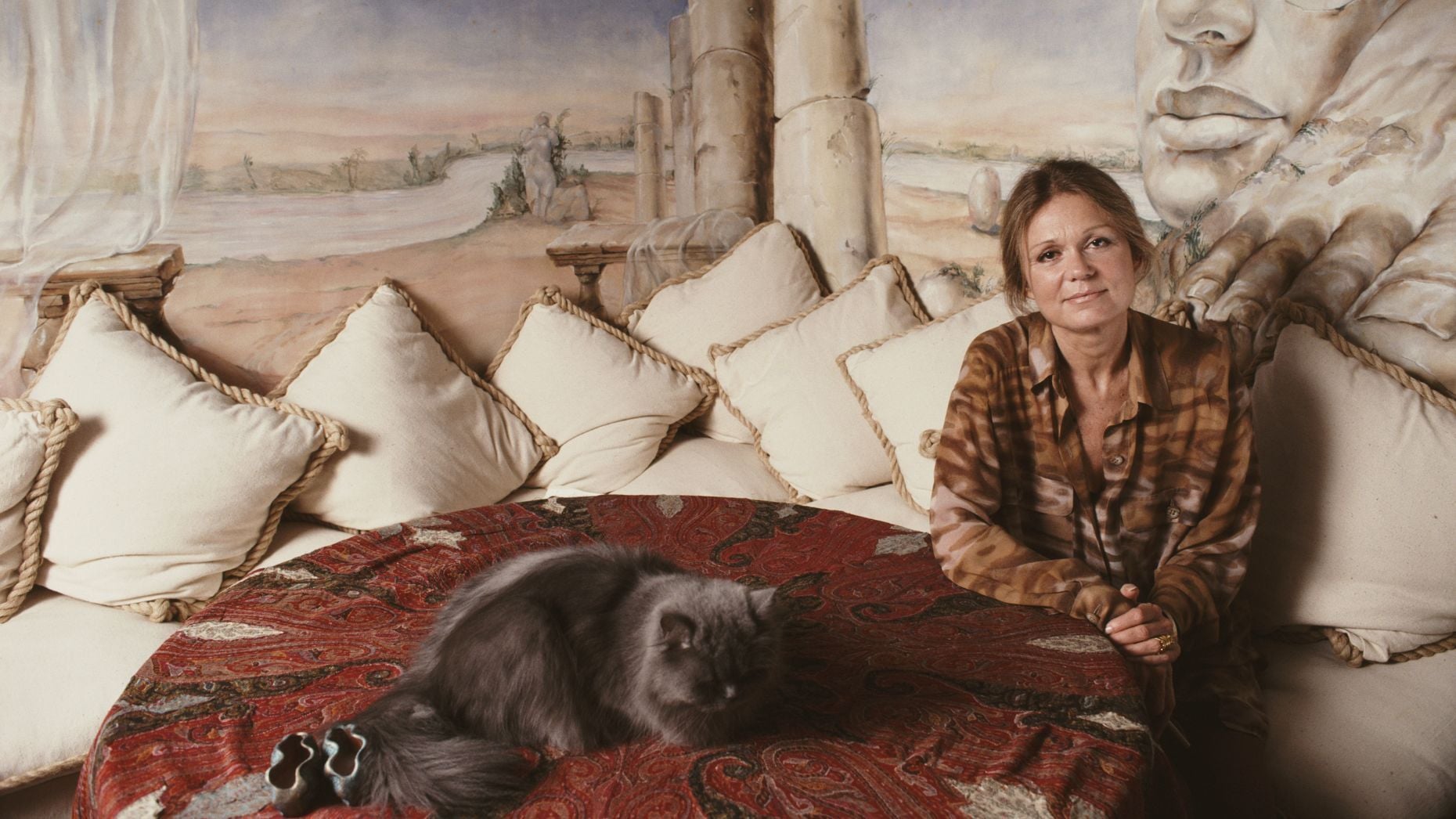
The Manhattan apartment where key leaders of the women's rights movement convened for strategy sessions and editorial meetings remains a focal point of American cultural history.
NEW YORK — The Manhattan apartment of author and social activist Gloria Steinem served as a critical operational center for the modern American women's rights movement during the late 20th century, serving as the venue for landmark strategy sessions that influenced national policy and public discourse.
Located on the Upper East Side, the brownstone residence functioned as both a private home and an informal headquarters for activists, political organizers, and journalists. Discussions held within the home contributed directly to the establishment of several foundational organizations, including the National Women's Political Caucus and the Women's Action Alliance.
The living space also operated as a primary editorial workspace during the initial planning and launch of Ms. magazine in the early 1970s. Prominent civil rights leaders and political figures, including Dorothy Pitman Hughes, Bella Abzug, and Shirley Chisholm, regularly gathered at the location to draft legislative priorities and coordinate nationwide advocacy efforts.
Historians and architectural preservationists increasingly highlight the role of domestic spaces in fostering mid-century social movements. Private residences provided low-cost, adaptable environments where leadership could conduct planning away from commercial real estate constraints and public oversight.
The property remains a prominent symbol of New York City's activist history, illustrating how residential architecture served as an essential infrastructure for grassroots organizing during the height of the feminist movement.