
Grand Theft Auto 6 Biodiversity Simulation Poised to Boost Public Nature Education
Rockstar Games is expected to deliver a massive boost to wildlife literacy through the release of Grand Theft Auto 6. According to GamesIndustry.biz, the upcoming title will feature a detailed simulation of southern Florida’s ecosystem, including over 170 animal species, potentially mirroring the educational benefits observed in previous open-world releases from the same studio.
Context from Industry Pulse
The gaming industry is increasingly intersecting with regulatory and educational spheres. While Grand Theft Auto 6 highlights the potential for incidental nature education, other segments of the market face scrutiny. The German Games Industry Association recently expressed concerns that the EU KIDS Act might disrupt existing age-rating frameworks. Meanwhile, the industry continues to revisit classic intellectual properties, evidenced by a surge in coverage regarding Ocarina of Time and technical ports like Stellar Blade for the Switch 2. This suggests a landscape where high-fidelity modern simulations and legacy titles coexist, each playing a role in how different demographics engage with digital and natural environments.
"The game will feature over 170 different species of animals, from manatees to rhesus macaque monkeys, alongside dynamic, real-time weather effects such as hurricanes and tropical storms."
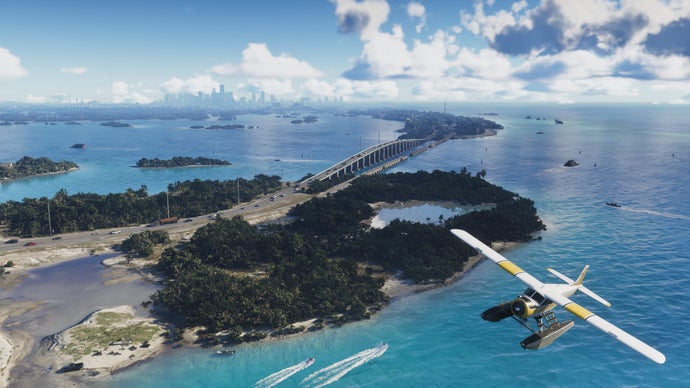
The upcoming Grand Theft Auto 6 is set to feature a highly detailed recreation of Florida’s wildlife, including manatees, rhesus macaque monkeys, and alligators. As GamesIndustry.biz reports, the title will incorporate approximately 170 different species alongside dynamic weather effects like tropical storms and hurricanes. While the game is not designed as educational software, the sheer scale of its reach could help address a documented decline in species literacy among younger generations.
Evidence for this impact is found in Rockstar’s previous title, Red Dead Redemption 2. That game featured more than 200 animal species with lifelike behaviors, such as bears performing bluff charges or possums playing dead. University of Exeter research cited by GamesIndustry.biz found that players of the Western epic were able to identify an average of three more animals from photographs than individuals who had not played the game.
This phenomenon, sometimes compared to an Attenborough effect, suggests that high-fidelity digital environments can restore a severed connection between humans and the natural world. In many countries, species literacy has reached record lows; one survey noted that a vast majority of children could no longer identify common insects like bumblebees. By placing diverse wildlife at the center of a major commercial release, developers may inadvertently strengthen public commitment to conservation.
Beyond simple simulation, GamesIndustry.biz suggests that interactive media can involve players in ecological narratives more deeply than passive media. Titles like Horizon: Forbidden West demonstrate how games empower players to act as catalysts for environmental change. By merging detailed flora and fauna with gameplay systems that demand responsibility for the ecosystem, the industry can amplify its potential to foster real-world environmental awareness.
The Industry Pulse Bottom Line
Grand Theft Auto 6 proves that hyper-realistic open-world design can serve as a powerful, unintentional educational tool, potentially reversing declining wildlife literacy through mass-market entertainment.