
Nintendo Operating Profit Surges 49 Percent Despite Softening Hardware Demand
Nintendo reported a significant 49.1 percent increase in operating profit for the first half of the 2026 fiscal year, reaching 216.5 billion yen. As GamesIndustry.biz reports, this financial growth occurred despite a 12.1 percent drop in overall net sales, which were primarily impacted by declining hardware unit sales across both the Switch 2 and original Switch platforms.
Context from Industry Pulse
The H1 results illustrate a transition period for Nintendo as the market matures for the Switch 2. While hardware sales for the newer console fell sharply from 10.36 million to 6.49 million units, the software attach rate improved significantly. The shift toward digital consumption is now a dominant trend, with over 60 percent of software sales occurring via downloads. This digital pivot, paired with one-time financial benefits like the US tariff refund, allowed Nintendo to maintain high profitability even as the dedicated video game platform segment saw a 15.3 percent revenue decline. The company is now relying on high-profile legacy remakes and established franchises to bridge the gap between hardware cycles.
"Operating profit increased 49.1% to ¥216.5 billion ($1.3 billion), supported by steady software sales from new titles such as Splatoon Raiders alongside a first quarter US tariff refund."
Financial results for the six months ending September 30, 2026, show a divergence between Nintendo hardware and software performance. According to GamesIndustry.biz, total net sales fell to 966 billion yen as hardware volumes for the Switch 2 dropped 37.4 percent year-over-year to 6.49 million units. The original Switch hardware also saw a 32.7 percent decline, moving 1.27 million units, with the OLED model remaining the most popular iteration among consumers.
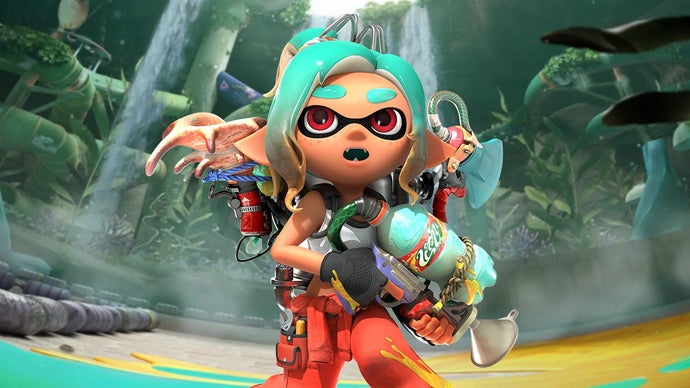
Software sales provided a counterbalance to the hardware slump. GamesIndustry.biz reports that total software volume reached 90.22 million units, with Switch 2 software specifically growing 18.8 percent to 24.49 million units. High-performing new releases fueled this growth, including the July launch of Splatoon Raiders, which sold 2.42 million copies, and September title Fire Emblem Fortune's Weave, which moved 1.34 million units. Older platforms also saw success with Tomodachi Life Living the Dream selling 8.81 million units.
Operating profit was further bolstered by a first-quarter refund on United States tariffs. Nintendo indicated that these costs had been absorbed by the company rather than passed to buyers. This refund, combined with steady software demand, helped ordinary profit rise 27.4 percent to 300.6 billion yen. Digital transactions now represent a significant portion of the business, accounting for 60.7 percent of software revenue at 249.6 billion yen.
Looking ahead, Nintendo plans to sustain engagement through a mix of new releases and existing catalog expansions. GamesIndustry.biz notes that the upcoming pipeline includes Nintendo Switch Sports Resort and a remake of The Legend of Zelda Ocarina of Time. Metroid Ravenous is also scheduled for a January 2027 release as the company attempts to grow the installed base for its latest hardware while continuing to monetize the extensive reach of the original Switch.
The Industry Pulse Bottom Line
Nintendo is successfully navigating hardware declines by leveraging high-margin software sales and digital growth. The surge in profit despite lower revenue highlights a resilient business model supported by strong first-party intellectual property and effective cost management.