
Free Lives Creation Sim Dressmaker Exceeds 482,000 Sales by Targeting Underserved Women
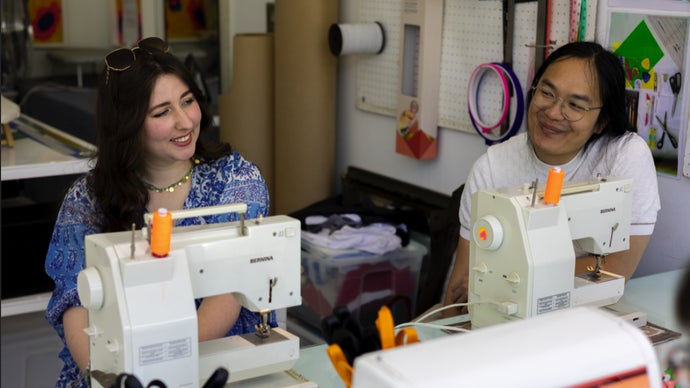
Free Lives has achieved unexpected success with its fashion simulator Dressmaker, which has sold over 482,000 units since launching in September. According to GamesIndustry.biz, the title has defied typical sales curves by growing its active player base week-over-week, largely through social sharing and community engagement within a demographic that developers Sabrina Becker and Jonathan Hau-Yoon describe as underserved.
Context from Industry Pulse
The success of Dressmaker highlights a significant shift in how indie developers can capture non-traditional audiences. According to GamesIndustry.biz, the title's growth was fueled by organic social sharing rather than traditional advertising. This performance stands in contrast to the broader industry landscape reported by GamesIndustry.biz, which includes significant consolidation and closures, with one in three acquired studios shutting down since 2000. While major publishers like Nintendo see profit growth from established franchises like Splatoon, the Free Lives team demonstrates that targeting specific, neglected niches can result in high player retention. The project's ability to sustain over 400 hours of playtime for some testers suggests that creative toolsets can provide significant value without the high costs of traditional content production.
The South African developer Free Lives has observed an unusual growth trajectory for its new creation simulator. While most titles experience a sharp spike at launch followed by a steady decline, this project saw its daily concurrent user count rise from roughly 8,000 on its first day to more than 43,000 within two weeks. GamesIndustry.biz reports that these figures were achieved with almost no paid marketing in Western markets, relying instead on organic social media enthusiasm.
Data provided to GamesIndustry.biz indicates that the game has reached nearly half a million players in just over a month. The development team, consisting of three full-time and three part-time members, noticed high engagement levels during the testing phase, where some players spent hundreds of hours in the simulator despite a lack of traditional linear content. This engagement led to community-driven activities like sharing digital files to create collaborative designs.
Developer Sabrina Becker suggests the game successfully tapped into a market of women who may not typically identify as gamers. While the studio does not track specific user analytics, social media metrics show that 85% of the game's followers are women. The team intentionally designed the experience to appeal to interests that were more common in the PC gaming landscape of the 1990s and 2000s, such as fashion and dress-up titles.
Jonathan Hau-Yoon notes that the majority of the current player base is located in North America and Europe, though some promotional efforts were directed toward content creators in China. The developers believe their success serves as a proof of concept for other indie studios to explore feminine-coded genres that have been largely ignored by the mainstream industry for decades. By focusing on detailed creative tools rather than traditional win-state mechanics, they have managed to attract an audience that often feels excluded by modern gaming trends.
The Industry Pulse Bottom Line
Dressmaker proves that targeting the underserved female demographic is a viable growth strategy. Its organic viral success suggests that high-quality creative tools for feminine interests represent a major untapped market for independent developers.