
WTA Officials Defend Venue Selection and Operational Shifts for Season Finale
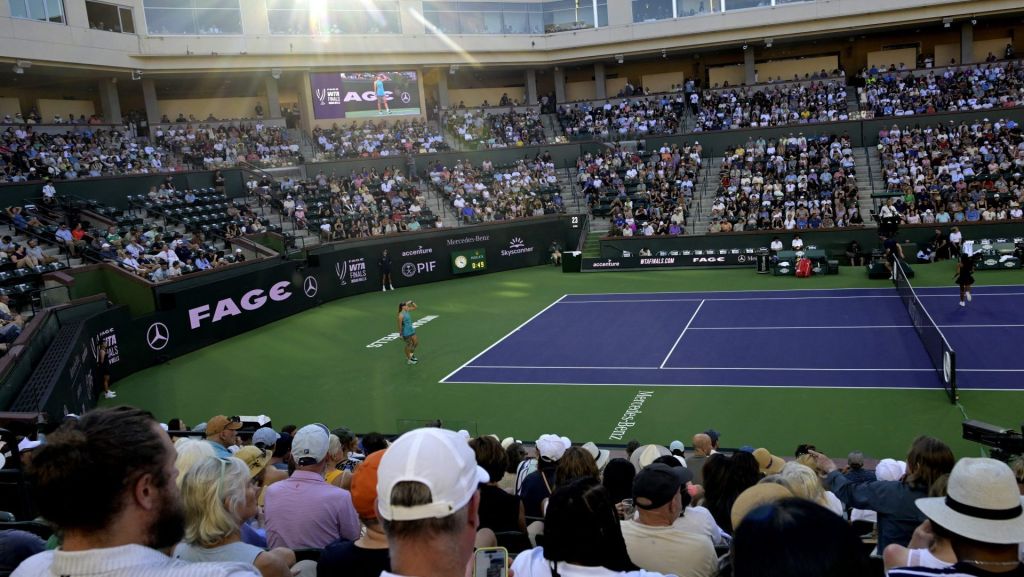
The Women’s Tennis Association is defending its decision to host the year-end Finals at a secondary stadium in Indian Wells. According to Front Office Sports, tournament leadership cited a condensed four-month planning window for the move to the 8,000-seat Stadium 2, which offers roughly half the capacity of the primary venue typically used for the venue's major spring tournaments.
Context from Industry Pulse
The WTA is currently navigating a period of significant structural and financial transition. By relocating its headquarters and the Finals to Charlotte in 2027, the tour aims to resolve the logistical instability that followed its departure from China and the premature end of its Saudi Arabian partnership. With a projected $15 million in cash and the CVC private equity deal set to expire in three years, the organization is prioritizing cost-effective venues and long-term infrastructure. The decision to use a smaller stadium in Indian Wells reflects this pragmatic shift, balancing immediate operational limits with the need to maintain player purses and broadcast quality during a period of fiscal consolidation.
"Stadium 2 offers a world-class setting that brings fans closer to the action and creates an electric atmosphere for the season-ending championship."
The transition to Indian Wells represents the latest in a series of nomadic shifts for the WTA Finals. As Front Office Sports reports, the tour has struggled to secure a permanent location since exiting a long-term agreement in Shenzhen, China, due to safety concerns regarding player Peng Shuai. Subsequent editions rotated through Mexico and Texas before a three-year deal in Saudi Arabia was terminated early following low attendance and geopolitical instability. The current Southern California event serves as a temporary stop before the championship moves to Charlotte, North Carolina, in 2027.
Operational challenges extended beyond venue size during the opening rounds. Front Office Sports notes that the organization issued an apology after a hot microphone captured world number five Jessica Pegula making disparaging comments about opponent Mirra Andreeva during a practice session. The tour admitted it failed to notify participants that recording devices were active on the courts. While the players have since resolved the tension privately, the incident highlighted the logistical pressures facing the condensed production schedule.
Financial stability remains a central concern for the tour as it navigates these venue changes. Reporting from Front Office Sports indicates the WTA is currently managing tight cash reserves, with projections showing approximately $15 million on hand by year-end. This fiscal climate coincides with the approaching conclusion of a major $150 million private equity partnership with CVC, which is scheduled to expire in 2027. The upcoming move to Charlotte is intended to provide a stable headquarters and a consistent home for the flagship event.
Despite the smaller venue, tournament officials expressed satisfaction with initial fan engagement. The opening day saw a capacity crowd, though attendance dipped slightly during the second day of round-robin play. The event features a total prize pool of $10 million for the top eight singles and doubles competitors. While the draw was impacted by the late withdrawal of world number one Elena Rybakina due to illness, the tour maintains that the intimate stadium setting provides an electric environment for the season-ending championship.
The Industry Pulse Bottom Line
The WTA's reliance on a smaller Indian Wells venue highlights the tour's urgent need for the stability promised by its upcoming Charlotte relocation, as it manages dwindling cash reserves and inconsistent hosting agreements.