
NFL Parity Model Validated as Minnesota Vikings Drop First Game of Season
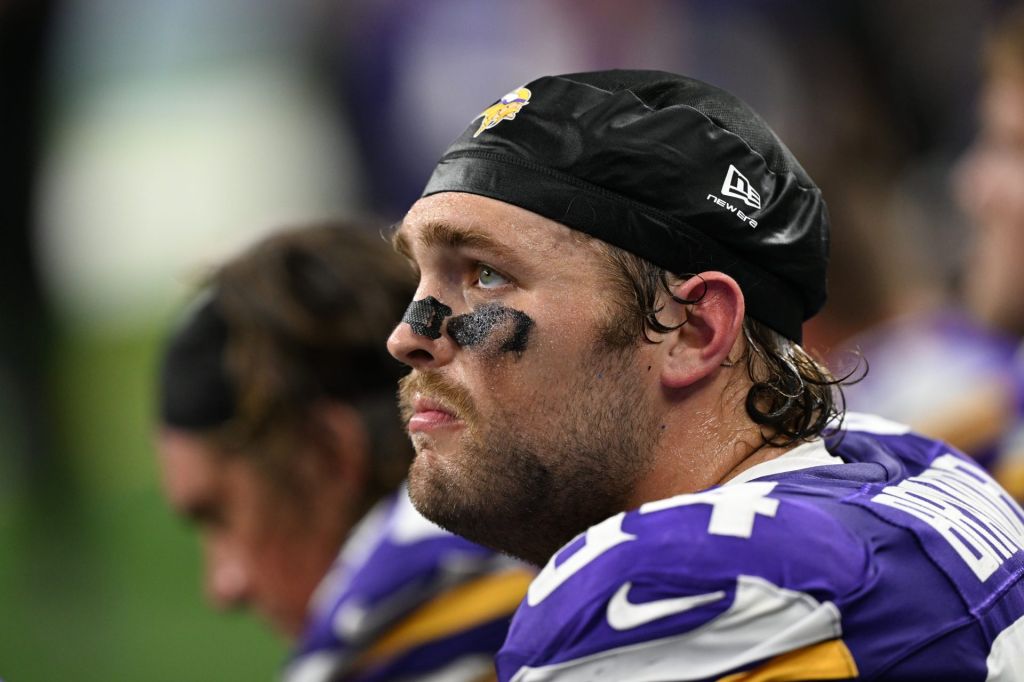
The Minnesota Vikings suffered their first defeat of the season against the Detroit Lions on Sunday, leaving the NFL with no remaining unbeaten teams. According to Front Office Sports, this outcome reinforces a league business model designed to promote competitive balance through revenue sharing and salary cap constraints across all markets.
Context from Industry Pulse
The NFL's financial structure is unique among major U.S. sports for its aggressive revenue sharing and salary cap parity. While the Vikings operated with one of the lowest payrolls in the league, their early success demonstrates how defensive coordination and low-cost veteran contracts can temporarily overcome spending gaps. However, the loss to Detroit underscores the difficulty of maintaining a high win percentage under a system that mandates harder schedules and later draft picks for winning teams. This outcome arrives amid a broader sports landscape where new dynasties are emerging in other leagues, such as the Golden State Valkyries securing a WNBA title within two years of formation.
The Minnesota Vikings ended their unblemished streak with a 19-15 loss to the Detroit Lions, ensuring the 1972 Miami Dolphins remain the only franchise to complete a perfect season. As Front Office Sports reports, the defeat highlights the league's intentional design to foster unpredictability. This parity-driven approach relies on mechanisms like even splits of national broadcasting revenue, which allows smaller markets to compete financially with major metropolitan hubs.
Front Office Sports indicates that the NFL further maintains balance through a flexible salary cap and a draft system that rewards lower-performing teams with earlier picks. While franchises can technically exceed the cap by restructuring player contracts, doing so often results in future financial penalties. This structure encourages a regression to the mean, making it difficult for teams to sustain long-term dominance without elite coaching and management.
Despite their 6-0 start, the Vikings entered the season as an unlikely contender for a perfect run. Front Office Sports notes that Minnesota ranks 30th out of 32 teams in player payroll cash spending, totaling $300.1 million. In contrast, the Dallas Cowboys lead the league with $391 million in spending. The Vikings have relied on a defense led by coordinator Brian Flores and a cost-effective quarterback situation involving Kyler Murray, who is playing on a league-minimum salary for his experience level.
Offensive struggles ultimately cost Minnesota the game against Detroit. Front Office Sports highlights that the league's soaring franchise values and high viewership are directly linked to this competitive equilibrium. By ensuring that most teams have a fair chance to succeed each season, the NFL keeps fans in various cities engaged and spending for longer periods, even as historic dynasties like those in New England or Kansas City become increasingly difficult to replicate.
The Industry Pulse Bottom Line
The Vikings' loss proves the NFL's parity mechanisms effectively prevent runaway dominance. By forcing a regression to the mean, the league protects its broadcast value by ensuring no single team renders the regular season predictable.