
Manchester United Eyes Pochettino Amidst Billion-Dollar Debt Crisis
Manchester United has dismissed manager Michael Carrick following a dismal start to the season that left the club in the relegation zone. As reported by Front Office Sports, the organization is expected to recruit U.S. Men’s National Team coach Mauricio Pochettino despite carrying a debt load exceeding $1 billion and facing internal ownership friction.
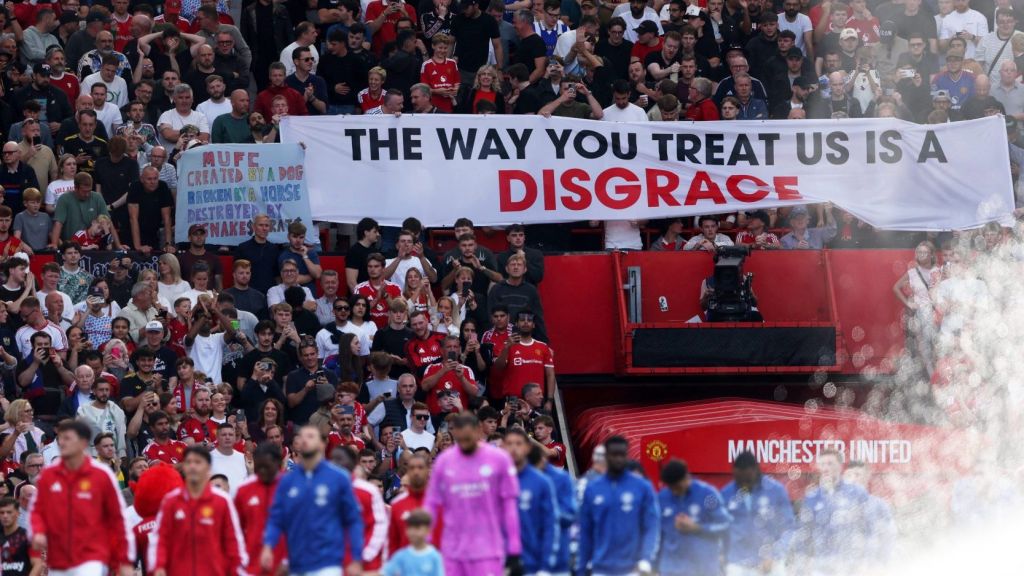
Context from Industry Pulse
The financial trajectory of Manchester United is heavily influenced by its 2005 leveraged buyout, which transitioned the club from a debt-free entity to one carrying a $1.1 billion liability. While the team maintained on-field success during the early Glazer era under Sir Alex Ferguson, the post-2013 era has seen a steep decline in competitiveness. Current minority owner Jim Ratcliffe has stabilized the books enough to report a $30 million operating profit for fiscal year 2026, yet the club continues to report net losses over seven consecutive seasons. This fiscal fragility limits United's ability to match the soaring transfer fees and wages seen across the rest of the Premier League.
The dismissal of Michael Carrick marks the third coaching change for Manchester United since late 2024. This latest upheaval follows a season opening where the team won only one of its first ten league matches. According to Front Office Sports, the club hierarchy is now targeting Mauricio Pochettino to lead the squad, a move that would require a $12 million buyout from U.S. Soccer. This transition occurs as the club manages significant financial strain, including severance packages for outgoing staff estimated at $5 million.
Financial statements detailed by Front Office Sports show that the club remains burdened by over $1 billion in debt, much of it originating from the Glazer family leveraged buyout in 2005. While minority owner Jim Ratcliffe has implemented aggressive cost-cutting measures since 2024, including a 30% reduction in the workforce and lowering the wage bill to a six-year low of $400 million, the club still struggles to compete for elite talent. Interest payments on existing debt continue to divert millions away from the transfer market.
Transfer strategy has remained a point of contention and inconsistency. Front Office Sports notes that United failed to secure top targets like Elliot Anderson and Mateus Fernandes this past summer, losing out to rivals who outbid them. Instead, the club spent $141 million on Carlos Baleba and Youri Tielemans, neither of whom has stabilized a midfield that observers describe as sluggish. This follows previous years of high-spending on players like Jadon Sancho and Antony, who failed to meet expectations.
Internal power dynamics may also be shifting. While Jim Ratcliffe initially took control of soccer operations, Front Office Sports reports that the Glazer family reportedly intervened to push for the Pochettino hiring against the preferences of Ratcliffe-appointed executives. This potential shift in boardroom influence comes as the club seeks its first domestic title since 2013, a period defined by the dominance of crosstown rivals Manchester City.
The Industry Pulse Bottom Line
Manchester United is attempting to balance fiscal austerity with high-stakes leadership changes. However, structural debt and boardroom disagreements between the Glazers and Jim Ratcliffe may limit the impact of any new managerial appointment.