
Collegiate Mahjong Sets Emerge as High-Margin Sports Merchandise Trend
A new category of luxury sports merchandise is gaining traction as collegiate-themed mahjong sets become popular among fans. According to Front Office Sports, boutique retailers are securing licenses with dozens of universities to sell intricate, campus-specific game sets that serve as both tailgate activities and home decor, tapping into a growing social media-driven interest in the game.
Context from Industry Pulse
The rise of collegiate mahjong reflects a broader shift in sports merchandising toward high-margin, lifestyle-oriented collectibles. According to Front Office Sports, the market is currently dominated by four women-owned firms that have successfully navigated the collegiate licensing landscape. By focusing on intricate, campus-specific designs, these companies justify price points that significantly exceed standard wholesale values. While the college sector allows for smaller-scale entry through personal relationships with universities, the professional level remains insulated by high financial barriers. This creates a unique market dynamic where small businesses can thrive in the collegiate space by leveraging alumni nostalgia and social media trends that larger corporate licensees have yet to fully exploit.
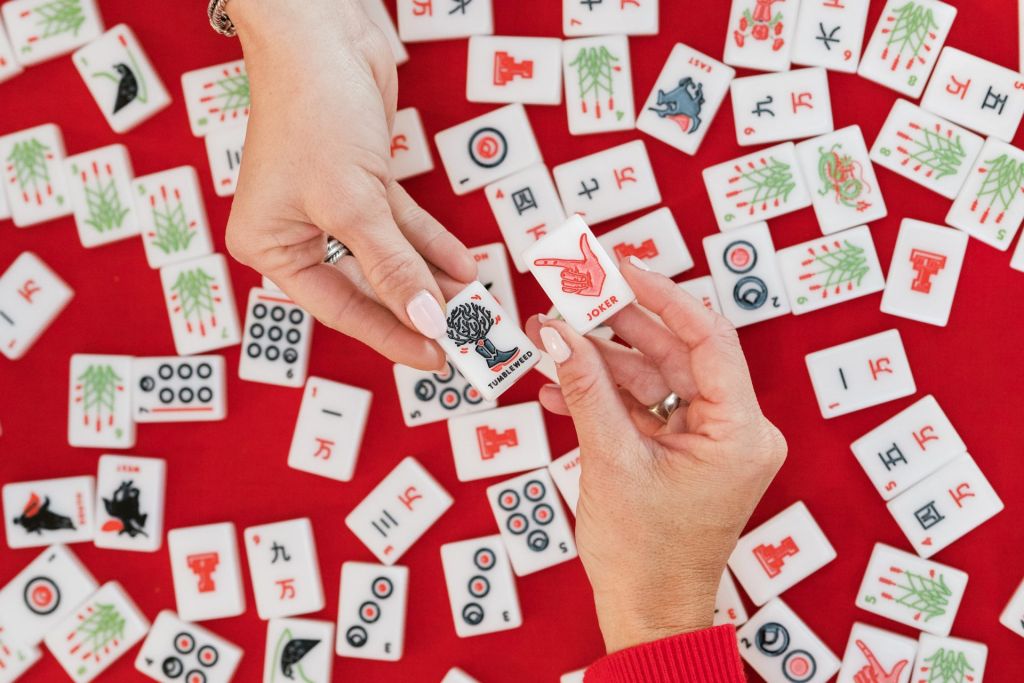
The intersection of ancient board games and modern collegiate fandom has created a lucrative niche for small, women-owned businesses in the South. Companies such as Foster Collegiate and West Wind Mahjong have secured licenses for 49 universities through major brokers like the Collegiate Licensing Company and Fanatics. These brands specialize in high-end acrylic sets featuring campus landmarks and school mascots engraved onto traditional tiles. Front Office Sports reports that while the wholesale cost for standard sets manufactured in China is approximately 30 dollars, these licensed versions retail for between 425 and 450 dollars.
Production of these specialty items is a lengthy process that requires deep coordination with alumni and students to ensure designs reflect unique school traditions. Because the manufacturing and painting phase in China can take up to eight months, many retailers utilize a preorder model to mitigate financial risk. Despite the long wait times, demand remains high. One retailer noted that several collections for schools like Texas A&M and the University of North Carolina have sold out repeatedly, demonstrating the strong emotional connection fans have with these luxury goods.
While the college market is expanding rapidly, the jump to professional sports leagues presents a different set of challenges for independent retailers. Licensing experts explained to Front Office Sports that major professional leagues often demand significant upfront fees and high sales minimums. These barriers typically favor established giftware or tabletop game corporations over small boutique firms. However, some small business owners view professional sports as a viable long-term goal as the game continues to gain a higher profile across the United States.
The trend is also shifting the demographics of mahjong players. Originally surging in popularity among women, the game is now becoming a fixture at football tailgates and among male fans. Front Office Sports notes that even some college football coaches have begun playing regularly. This crossover appeal suggests that what began as a niche lifestyle product has successfully transitioned into a broader outlet for school pride and social interaction.
The Industry Pulse Bottom Line
Collegiate mahjong demonstrates how boutique brands can utilize niche licensing to capture high-margin revenue from dedicated fanbases, even as professional league barriers protect established corporate incumbents from smaller independent competitors.