
NFL Trade Market Surges as Strategic Shifts Drive Record Deadline Activity
The NFL trade landscape has undergone a radical transformation, evolving from a risk-averse environment to a dynamic market where teams actively identify as buyers and sellers. According to Front Office Sports, shifting philosophies and recent rule changes have triggered a surge in mid-season deals, including high-profile player movement across the league.
Context from Industry Pulse
The evolution of the NFL trade deadline is driven by a combination of logistical and cultural shifts. Front Office Sports highlights that the move from a Week 6 deadline to Week 9 gives teams a larger sample size for evaluation, reducing the inherent risk of mid-season acquisitions. Furthermore, the expansion of the playoff format provides more teams with a mathematical incentive to remain aggressive as buyers. While the league once prioritized scheme continuity, the current pressure to win immediately has forced front offices to become more transactional. This environment allows struggling teams to stockpile draft capital while contenders fill critical holes created by injuries or underperformance.
Professional football has moved away from its historical reluctance to trade players during the season. Front Office Sports reports that current transaction volume is significantly higher than in previous decades, with seven in-season trades already completed this year. This activity follows a steady upward trend, as the league recorded twenty-two mid-season trades last year compared to just six in 2016. The shift reflects a growing willingness among front offices to abandon the traditional model of building exclusively through the draft.
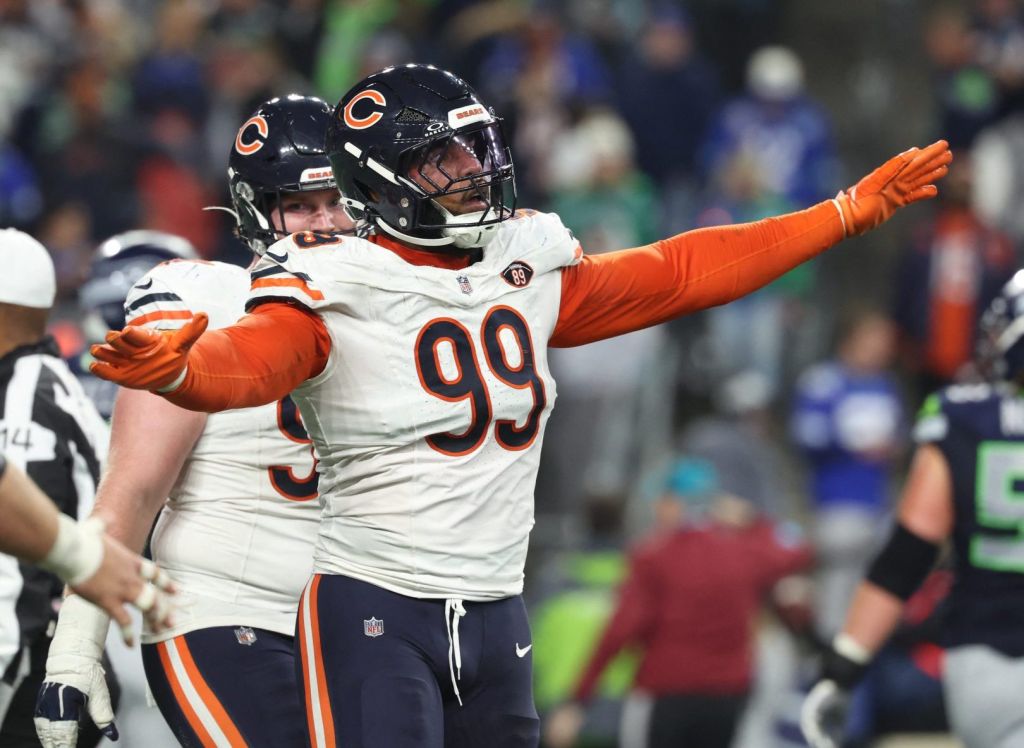
Recent major moves include the Chicago Bears acquiring Jeffery Simmons from the Tennessee Titans for two first-round draft picks. The Indianapolis Colts have also initiated a roster overhaul under new primary owner Carlie Irsay-Gordon, trading guard Quenton Nelson to the Seattle Seahawks and defensive tackle DeForest Buckner to the San Francisco 49ers. Other notable deals involve rookie quarterback J.J. McCarthy moving to the New York Giants and wide receiver Marvin Harrison Jr. joining the Houston Texans.
Several factors have accelerated this market growth. Front Office Sports notes that the league recently moved the trade deadline back to the Tuesday following Week 9 games. This calendar shift provides general managers with more time to evaluate their rosters and postseason prospects before committing to a strategy. Additionally, the success of the Los Angeles Rams, who prioritized veteran talent over draft capital to win a Super Bowl, has served as a blueprint for aggressive roster construction elsewhere.
Market experts suggest that the removal of the social stigma surrounding trades has created a self-reinforcing cycle. As more teams engage in deals, others feel empowered to use the trade market to address urgent needs or manage looming contract expirations. For example, the Kansas City Chiefs are currently seeking wide receiver help, while the Baltimore Ravens have pursued a deal for Jacoby Brissett to mitigate injuries at the quarterback position.
The Industry Pulse Bottom Line
The NFL has successfully mirrored the high-stakes trade environments of other major sports, prioritizing immediate competitiveness and asset management over the traditional, slow-paced draft-and-develop philosophy that previously dominated the league.