
Legal Battles Over Roster Eligibility Cloud Start of 2026-27 College Basketball
The 2026-27 college basketball season has launched amid significant legal uncertainty regarding player eligibility. According to Front Office Sports, conflicting court rulings and conference-specific regulations regarding professional status have left programs struggling to finalize rosters, with programs like LSU facing particular scrutiny over the status of fifth-year athletes and former professional players.
Context from Industry Pulse
The current eligibility crisis stems from a collision between traditional NCAA amateurism standards and new age-based mandates. According to Front Office Sports, the refusal to apply new five-year eligibility rules to the 2022 cohort created a vacuum filled by state-level executive orders and athlete-led lawsuits. This has resulted in a fragmented regulatory environment where individual conferences now set higher bars for entry than the national governing body. The SEC’s aggressive litigation against its own member schools, such as LSU, illustrates a shift where conferences act as primary enforcers of amateur status to prevent former professional players from re-entering the college ranks, regardless of court-ordered injunctions favoring the athletes.
The start of the current college basketball season follows an offseason defined by litigation over a new NCAA age-based eligibility policy. As Front Office Sports reports, the governing body introduced a rule granting players five seasons to complete their eligibility starting from their nineteenth birthday or college entry. However, the refusal to grandfather in athletes who began their collegiate careers in 2022 sparked a wave of lawsuits across federal and state courts. This legal friction even prompted executive intervention from the governor of Ohio to support player claims for additional playing time.
Disparate conference regulations have further complicated the landscape. While the NCAA allows certain flexibility, some power conferences have implemented strict bans on athletes who previously signed professional contracts with the NBA or G League. Front Office Sports notes that these rules are not uniform, as other organizations like the Big East have declined to adopt similar prohibitions. This patchwork of eligibility standards has forced coaches to navigate a complex environment where a player might be eligible under federal law but ineligible according to conference bylaws.
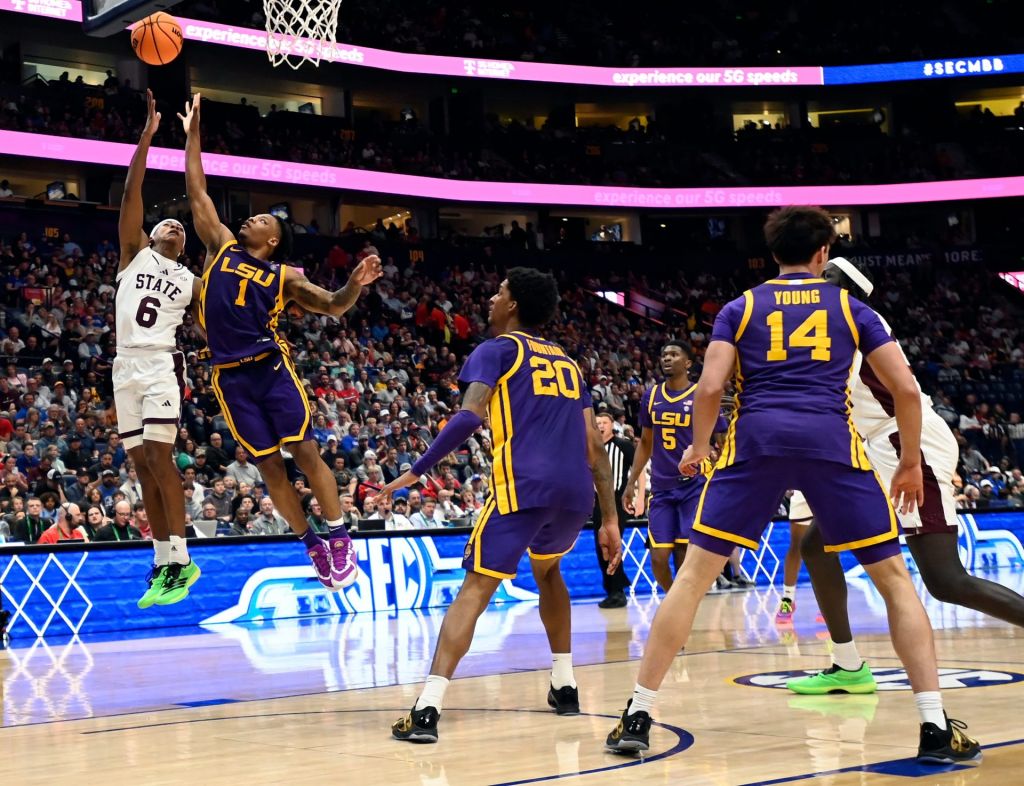
LSU emerged as a primary example of this instability. The program dealt with multiple eligibility cases involving players who sought fifth years of eligibility through court injunctions. Front Office Sports highlights the case of RJ Luis Jr., who remained off the roster for the season opener despite winning a legal motion. The school faced pressure from the SEC, which filed a lawsuit against the university to enforce its specific conference restrictions on players with professional experience.
Legal proceedings remain active as the season progresses. The NCAA is currently appealing various individual eligibility rulings and is engaged in a lawsuit against the governor of Ohio. According to Front Office Sports, the Supreme Court of Ohio is also reviewing a landmark case that could impact both men’s and women’s programs. These ongoing courtroom battles suggest that roster availability could fluctuate throughout the winter as judges weigh in on the fairness of current collegiate sporting rules.
The Industry Pulse Bottom Line
The 2026-27 season marks a shift where roster construction is dictated as much by courtroom injunctions and conference-specific bans as it is by traditional recruiting and NCAA-wide eligibility standards.