Formaldehyde Contamination in Cabbage Cargoes Escalates U.S. Import Scrutiny
Industry Pulse News Desk · 2026-08-27
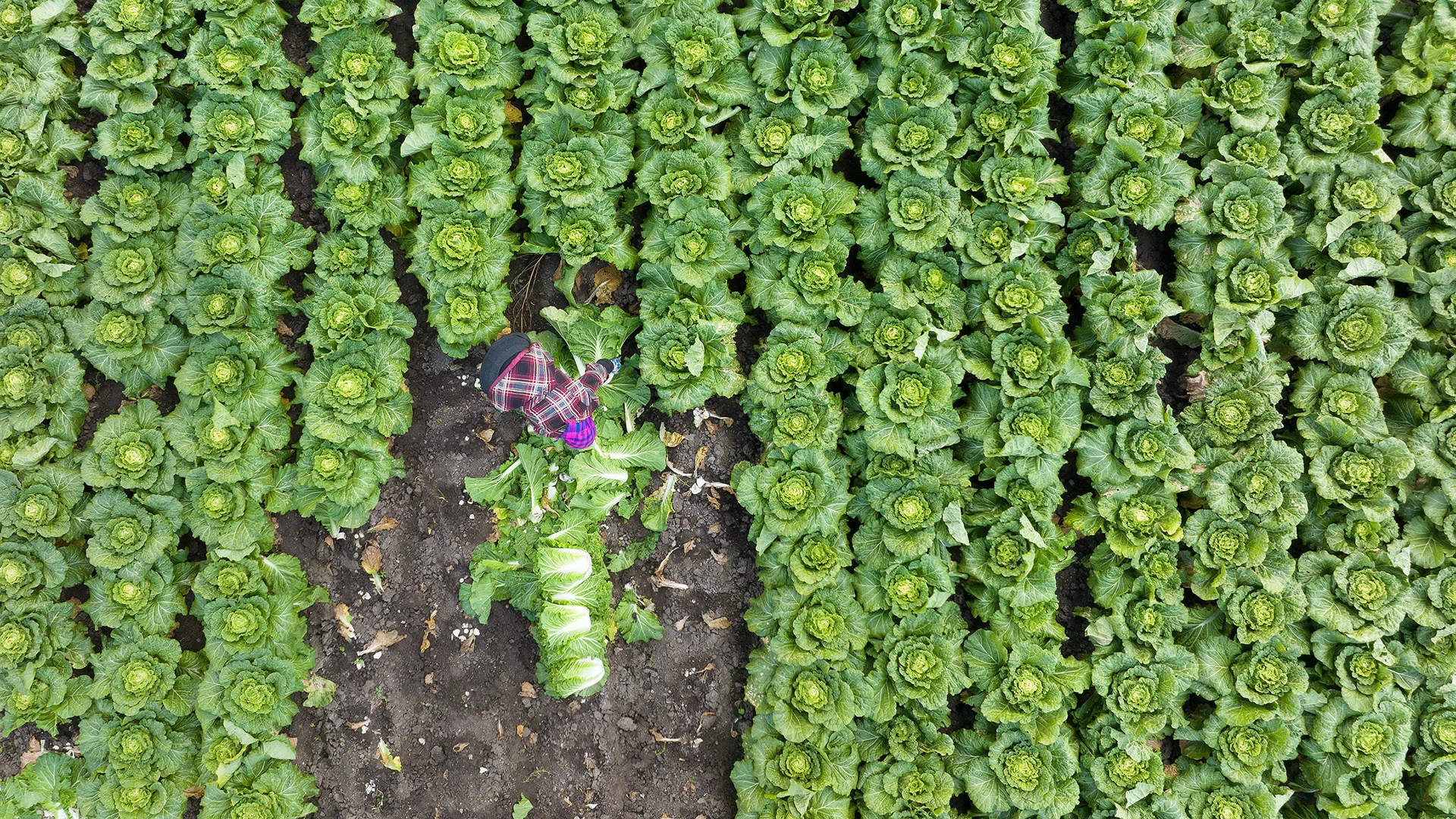
Oversight gaps and complex supply chains complicate safety verification after toxic chemical traces were reported in cabbage imports from China.
Concerns over food safety standards and supply chain transparency are escalating across the United States following reports that shipments of cabbage imported from China contained traces of formaldehyde, a toxic chemical compound used in industrial manufacturing.
The contamination incident has raised heightened scrutiny regarding produce sourcing for commercial food processors and fermented product manufacturers, particularly those producing kimchi. Regulators and industry analysts note that tracing the precise origin of imported agricultural ingredients presents significant operational challenges once raw materials enter domestic supply chains.
Formaldehyde is sometimes illegally applied to fresh produce during harvest or packing to prevent spoilage during long transit times. Exposure to the chemical can cause acute health issues, including severe gastrointestinal distress, respiratory irritation, and long-term health risks, making its presence in food supplies a serious violation of federal safety standards.
Federal oversight of imported agricultural goods relies primarily on targeted sampling and risk-based inspections rather than routine testing of every incoming shipment. Due to the massive volume of agricultural imports arriving at American ports daily, only a fraction of imported produce undergoes chemical screening before being cleared for distribution.
In response to the reported contamination, domestic food distributors and retail brands are reviewing their procurement protocols. Trade organizations are encouraging importers to implement stricter third-party testing regimes and require verified documentation from foreign suppliers to ensure chemical safety standards are met.