
Corporate Bias for In-House Development Risks Competitive Lag in AI Era
As artificial intelligence accelerates product development cycles, business leaders face renewed pressure to choose between building, buying, or partnering for new capabilities. According to Fast Company, companies frequently default to internal development due to overconfidence and a failure to account for long-term operational costs, potentially ceding market leadership to more agile competitors.
Context from Industry Pulse
The debate over internal development arrives as the business landscape undergoes rapid shifts in workforce demographics and technological priorities. Recent reporting from Fast Company highlights a growing tension in the labor market, with younger generations expressing frustration over career progression while companies simultaneously grapple with the integration of AI into high-level decision-making. As firms like Anthropic move toward public listings and major retailers like IKEA overhaul their physical and digital shopping experiences, the pressure to maintain cutting-edge capabilities has intensified. This environment forces leaders to weigh the prestige of owning proprietary software against the necessity of speed and specialized expertise in a market where technical debt can quickly become a liability.
"AI changes the cost of starting. It doesn’t yet change the cost of owning."
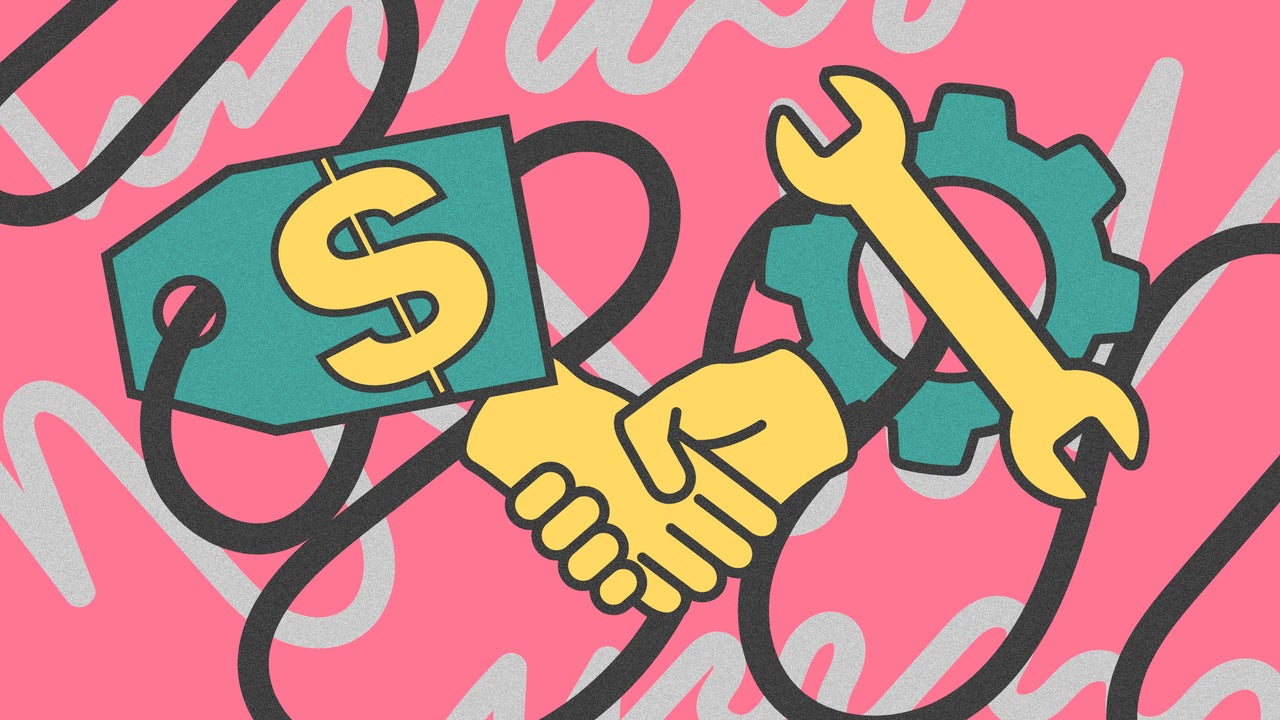
Corporate decision-makers often struggle with the choice to develop new technology internally rather than seeking external acquisitions or alliances. Fast Company highlights that this tendency toward in-house production frequently stems from launch bias, where executives focus on the resources needed for a debut while ignoring the sustained investment required to maintain and secure a product over several years. This internal focus can lead to significant market failures when specialized startups produce superior alternatives faster than established firms can iterate.
Artificial intelligence has complicated this decision-making process by reducing the initial barriers to entry. As Fast Company reports, AI allows for the creation of dramatically cheaper prototypes and demos, which can fuel a false sense of security regarding total project costs. While the technology front-loads savings during the initial design phase, the ongoing expenses for staffing, compliance, and platform improvements remain substantial and are less affected by AI-driven efficiencies.
To avoid these pitfalls, organizations are encouraged to evaluate potential capabilities based on defensibility and time to value. Fast Company suggests that building is only appropriate when a feature creates a durable competitive advantage that customers will notice. If the goal is rapid market entry or if the technology is easily commoditized, partnering or purchasing might be the more viable path to avoid being beaten to market by focused competitors.
Integration risk and cultural alignment also serve as critical metrics for determining the best path forward. Fast Company notes that building carries the burden of long-term technical debt and maintenance, while acquisitions risk platform fragmentation and staff turnover. By establishing clear thresholds for abandoning failing internal projects and seeking external perspectives, leadership teams can move beyond the not-invented-here syndrome that often hampers strategic growth.
The Industry Pulse Bottom Line
Companies should resist the urge to build in-house unless the capability offers a unique, defensible moat. Overestimating AI-driven cost savings can lead to long-term resource drains that stifle agility.