
Federal Judge Halts Construction of Controversial 250-Foot Memorial Arch in D.C.
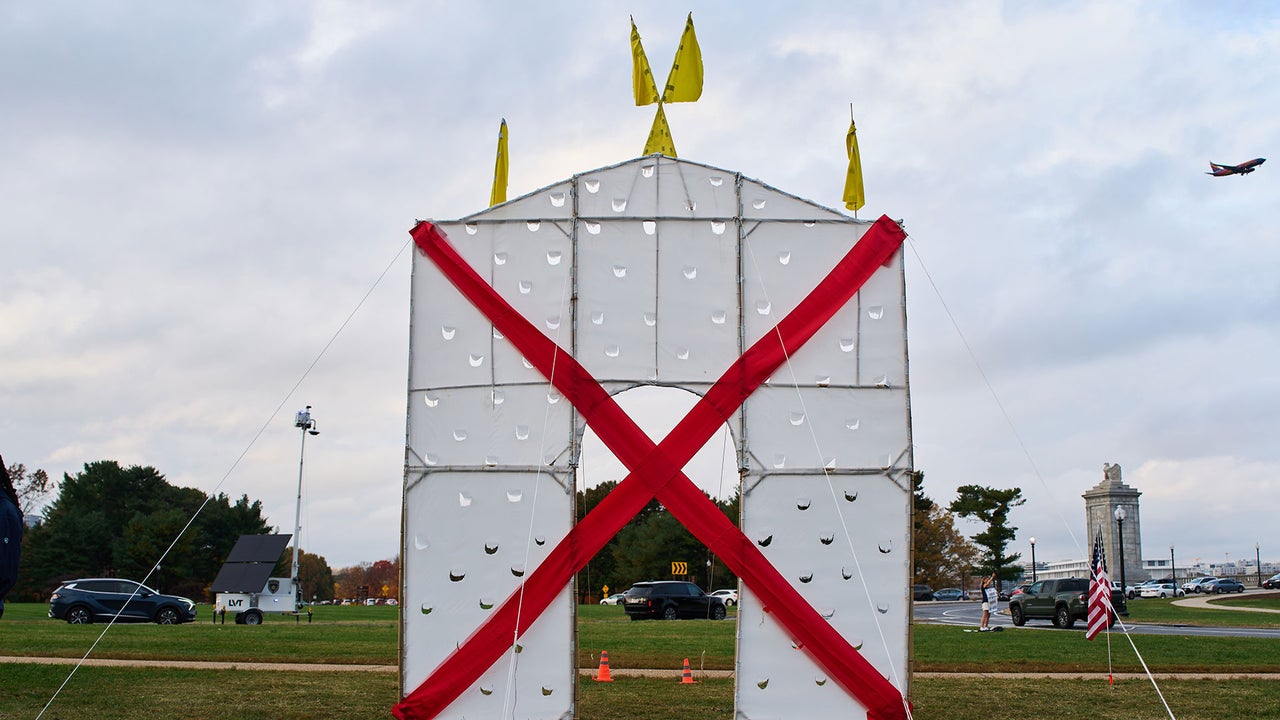
U.S. District Judge Tanya Chutkan issued a 14-day temporary restraining order blocking the Trump administration from breaking ground on a massive memorial arch near Arlington National Cemetery. As Fast Company reports, the ruling follows a contentious 8-4 approval by the National Capital Planning Commission despite significant legal challenges from Virginia and the District of Columbia.
Context from Industry Pulse
The legal battle over the memorial arch highlights a deepening divide between federal executive ambitions and local administrative control in Washington D.C. The project is part of a broader series of initiatives by the president to reshape the capital's aesthetic, including renovations to public golf courses and proposed changes to the Kennedy Center. However, the shift in congressional power following the 2026 midterms suggests these projects will face increased legislative scrutiny. Opponents argue the arch bypasses traditional appropriation processes, while the administration views the monument as a necessary addition to national identity, comparing it to historic arches in major European capitals.
A federal judge recently stalled progress on a signature architectural project in the nation’s capital by halting the immediate construction of a 250-foot memorial arch. According to Fast Company, the court order arrived shortly after the National Capital Planning Commission narrowly approved the design following a marathon public hearing. The legal intervention prevents the Interior Department and the National Park Service from starting work for at least two weeks, disrupting the administration’s plan to begin construction as early as November 5, 2026.
The lawsuit led by Virginia and the District of Columbia argued that the project would cause immediate and irreparable harm. As Fast Company reports, the plaintiffs cited concerns regarding traffic pattern distortions and the potential for the construction site to delay mutual aid emergency responses. The judge noted that the local governments would face significant unrecoverable costs, including the redirection of staff and resources to manage temporary detours and vehicle accidents near the site.
Opposition to the arch also centers on its proximity to Arlington National Cemetery. Witness testimony during the planning process suggested the towering monument would negatively impact the solemn nature of the burial grounds. Furthermore, critics on the commission pointed out that the project lacks specific congressional authorization and funding appropriations. While the administration claims a 1925 law provides the necessary mandate, the court found the use of a century-old statute to justify a modern 250-foot structure to be a significant legal stretch.
Political tensions surrounding the project have intensified following recent midterm elections. As Fast Company notes, new leadership in the House Natural Resources Committee has labeled the project illegal, suggesting the monument serves as a personal tribute rather than a veteran memorial. The commission's vote largely split between presidential appointees and local representatives, reflecting broader disagreements over the administration’s efforts to renovate or demolish various landmarks across Washington D.C.
The Industry Pulse Bottom Line
The temporary injunction signals a period of heightened legal and legislative friction for federal infrastructure projects, as local jurisdictions and a newly divided Congress challenge the executive branch's authority to alter historic D.C. landscapes.