
2026 Midterm Elections Poised to Reshape Trump Presidency and Corporate Regulation
The upcoming 2026 midterm elections represent a critical juncture for President Donald Trump’s second term. According to Fast Company, the results will determine if Republicans maintain their legislative stronghold or if a Democratic surge in the House and Senate will usher in two years of gridlock, investigations, and potential policy reversals for the business community.
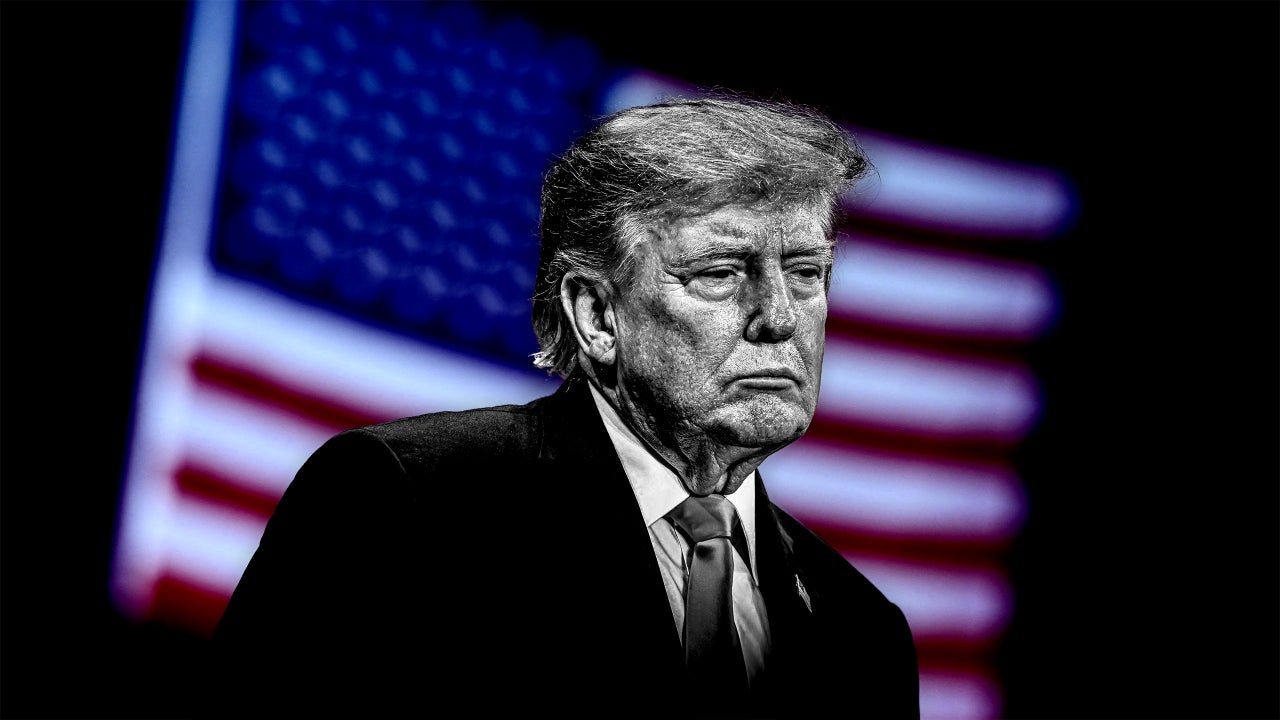
Context from Industry Pulse
The 2026 midterms serve as a referendum on the Republican party's current control over Washington. According to Fast Company, the election outcomes will decide whether the executive branch retains its ability to push through high-priority agendas in AI and defense or faces a legislative wall. Democratic candidates are positioning themselves to prioritize healthcare costs and immigration oversight if they reclaim the House or Senate. This potential shift toward divided government often reflects a voter preference for checks and balances, which could effectively stall the administration's momentum. For the private sector, the primary concern remains whether the current pro-growth environment for banks and crypto will be replaced by increased scrutiny and calls for billionaire wealth taxes.
The 2026 electoral cycle places 435 House seats and 35 Senate seats at stake, creating a scenario that could either solidify or dismantle the current administration’s legislative agenda. Fast Company reports that these midterms are pivotal because they dictate the level of alignment between the executive and legislative branches. Historically, voters often lean toward a divided government to establish checks and balances against the sitting president's party. If Republicans lose their majority in either chamber, the administration faces the prospect of a lame-duck period characterized by significant power constraints.
Legislative shifts would immediately impact federal oversight and investigations. Fast Company notes that Democratic candidates are already outlining plans to scrutinize the president’s personal finances, White House immigration policies, and the conduct of federal agencies like ICE. Some party leaders have signaled that regaining control of the House would lead to a focused effort on investigating corruption and potentially initiating new impeachment proceedings. This shift in focus is intended to shape the political narrative heading into the 2028 presidential election cycle.
From a business perspective, the stakes involve a choice between continued deregulation and new fiscal pressures. Fast Company indicates that a Republican victory would likely allow the administration to accelerate domestic policies favoring the defense and artificial intelligence sectors. Furthermore, banks and the cryptocurrency industry would likely continue to benefit from a lighter regulatory environment. Conversely, Democratic leaders have expressed intent to pivot toward taxing billionaire wealth and addressing the high cost of living through expanded government programs.
A divided Congress would almost certainly result in political gridlock for the final two years of the term. Fast Company highlights that while Republicans currently hold a stronghold, a loss of even one branch would stall major legislative initiatives. Market analysts are watching the results closely, as the outcome will dictate whether the current trajectory for government-connected growth sectors remains intact or if the legislative focus shifts toward healthcare reform and corporate accountability.
The Industry Pulse Bottom Line
The 2026 elections will decide if the Trump administration maintains its deregulatory momentum or faces two years of gridlock and investigations that could reshape the business environment for AI, banking, and defense.