
Lululemon Redesigns Everywhere Belt Bag to Combat Dupes and Revive Accessory Growth
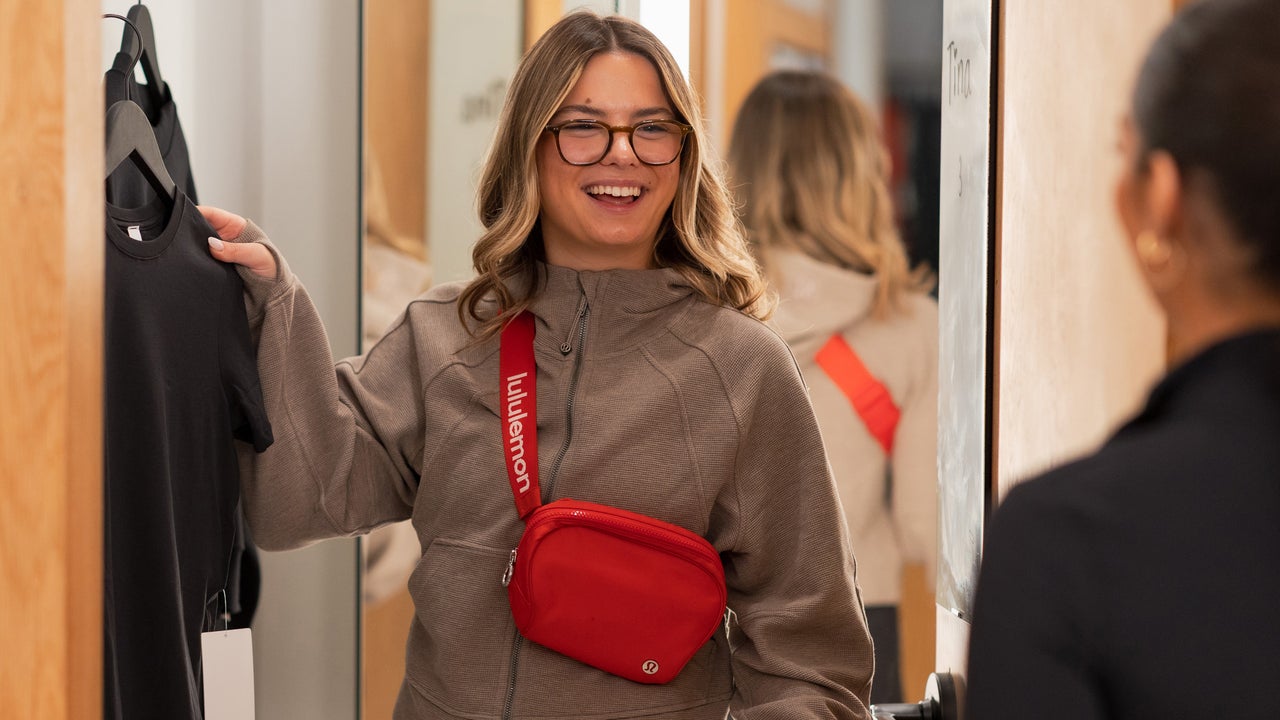
Lululemon is updating its viral Everywhere Belt Bag with functional enhancements and a new silhouette designed to deter counterfeiters. According to reporting from Fast Company, the apparel giant is attempting to stabilize its position with young shoppers following a recent downturn in financial performance and shifting consumer sentiment in the teen market.
Context from Industry Pulse
Lululemon is navigating a critical transition under new leadership as it faces stiff competition for the youth market. While the brand was recently the third most popular bag brand among teen girls, data from Piper Sandler indicates it has lost significant mindshare to Coach. The company’s stock has fallen 43 percent, and revenue projections suggest a full-year drop of up to 7 percent. By redesigning its most accessible product, Lululemon is attempting to defend its intellectual property against dupes while addressing the volatility typical of younger consumer bases that previously impacted brands like Drunk Elephant.
"The Everywhere Belt Bag has been copied endlessly, but this new design is more complex and subtle to replicate, which the company hopes will make it harder to knock off."
The Everywhere Belt Bag originally emerged as an internal tool for Lululemon retail staff before a public release in 2018. Fast Company reports that the product gained significant traction during the pandemic and eventually became a staple for younger demographics, with sales reaching hundreds of thousands of units during the 2023 holiday season. However, the brand faces new pressure as revenue in the Americas dropped 8 percent in the most recent quarter.
To maintain its market share, Lululemon is introducing a larger version of the bag with a 30 percent increase in capacity to accommodate modern smartphones. Fast Company notes that the redesign includes a curved silhouette mirroring the company logo, a move intended to make the product more difficult for competitors to replicate. Functional updates include additional internal pockets, a removable strap, and a safety system that allows users to secure the zipper through a carabiner.
These modifications come at a higher price point, with the new model costing 6 dollars more than the original version. Fast Company highlights that the company is navigating a difficult period where stock value has declined significantly and overall accessory revenue fell 13 percent in the second quarter of 2026. Management is banking on these product refreshes to win back upper-income teen consumers who have recently migrated toward competitors like Coach.
The strategic shift also highlights the brand's effort to balance its appeal across different age groups. Fast Company observes that while Lululemon needs to engage younger consumers, it must avoid the pitfalls of brands that alienate older shoppers by becoming too closely associated with teen trends. The updated bag serves as a test case for whether Lululemon can sustain long-term interest in its most successful accessory categories.
The Industry Pulse Bottom Line
Lululemon is leveraging product engineering and branding complexity to protect its margins. The success of this redesign will determine if the brand can maintain its status as a multi-generational staple amidst declining accessory sales and shifting teen preferences.