
Nvidia Board Evaluates Jensen Huang Removal Amid Corporate Governance Crisis
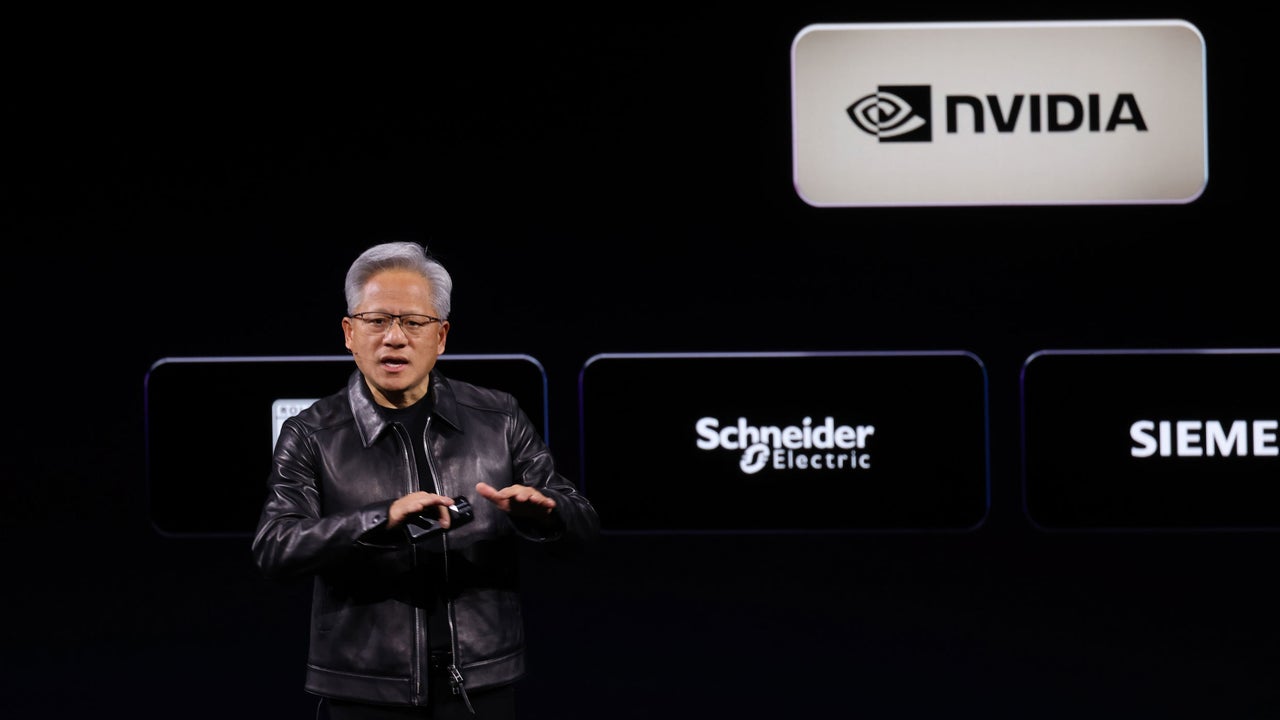
The board of directors at Nvidia is considering the removal of longtime CEO Jensen Huang following allegations of multiple extramarital affairs, according to reporting from Fast Company. The scandal, which includes claims involving a suspected foreign agent and a direct subordinate, has triggered a leadership crisis at the world's leading artificial intelligence chipmaker.
Context from Industry Pulse
The potential ousting of Jensen Huang highlights a significant structural vulnerability within Nvidia. For over 30 years, Huang has maintained an unusually high degree of control, eschewing traditional corporate hierarchies and failing to name a successor. This flat management structure, while effective during Nvidia's meteoric rise to a multitrillion-dollar valuation, now leaves the company without an obvious leader as it faces federal scrutiny and shareholder litigation. The timing is notably sensitive for the broader technology sector, as other major AI players like Anthropic prepare for public offerings amid shifting investor sentiment regarding the long-term profitability of massive artificial intelligence infrastructure investments.
The leadership crisis at Nvidia intensified after reports surfaced regarding Jensen Huang’s personal conduct. As Fast Company reports, the 63-year-old cofounder is accused of a second extramarital relationship, this time involving a company executive who reports directly to him. This follows earlier revelations of a liaison with a woman connected to a Singaporean data center firm who is suspected of being a Chinese intelligence asset.
Nvidia’s board of directors was scheduled to meet as early as Wednesday to discuss the CEO’s future. While the company previously stated it found no evidence of compromised national security or trade secrets during an initial internal investigation, the new allegations involving a subordinate have raised fresh concerns regarding corporate governance and legal exposure. The scandal has already led to a proposed shareholder class action and requests for closed-door meetings with House committee chairs.
The potential departure of Huang comes at a critical time for the semiconductor giant. Under his three decades of leadership, the firm shifted from a niche gaming graphics producer into the primary engine of the global artificial intelligence boom. Fast Company notes that the company recently reported over 96 billion dollars in quarterly revenue, with the vast majority of that income generated by its massive data center business.
Investors have reacted sharply to the uncertainty surrounding the company’s management structure. Shares fell by approximately 8 percent in after-hours trading following the reports. The company currently lacks a formal succession plan or a chief operating officer, a situation that Fast Company suggests highlights the risks of a management style where roughly 60 individuals report directly to a single chief executive.
The Industry Pulse Bottom Line
Nvidia faces a pivotal test of its corporate stability. The loss of its central visionary could disrupt the AI chip market and force a total restructuring of the company’s unusually flat and centralized management model.