
Apple Positions Redesigned iPad Mini as Premium Tablet With OLED Display
Apple has significantly overhauled the iPad Mini, transitioning the compact device into a premium tier with high-end hardware upgrades. According to Fast Company, the new model introduces an OLED screen and a higher price tag, distancing the tablet from its previous status as a midrange or budget-friendly option in the company lineup.
Context from Industry Pulse
The iPad Mini's evolution reflects a broader shift in Apple’s pricing and component strategy. Fast Company reports that prices for several iPad models, including the entry-level version, rose by 100 dollars earlier this year due to an AI-driven RAM shortage. With the Mini now starting at 699 dollars—a 40 percent increase in roughly four months—it has transitioned from an impulse purchase to a specialized luxury tool. By integrating features like the OLED screen and nano-texture glass options formerly exclusive to the Pro line, Apple is testing the market's willingness to pay a premium for small-form-factor productivity rather than positioning the Mini as a entry point to the ecosystem.
"That niche—bigger than a phone, more intimate than a laptop—is alive, well, and still evolving in the new Mini."
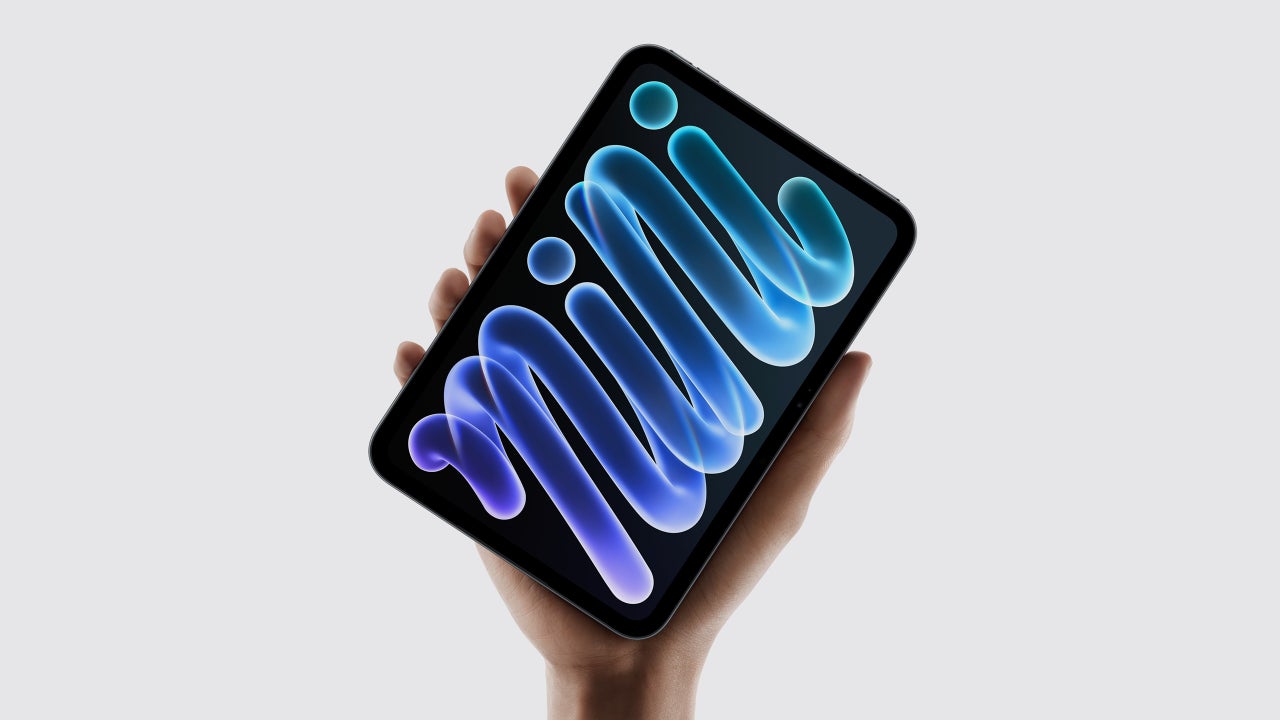
The latest iteration of the iPad Mini marks a significant shift in Apple’s strategy for its smallest tablet. As Fast Company reports, the device has moved away from its history as a budget-conscious option, now featuring an OLED display previously reserved for the high-end Pro series. This screen upgrade provides a peak brightness of 1,200 nits and deeper color profiles compared to the 500 nits found on the older LCD versions. To accommodate these changes, the starting price has climbed to 699 dollars for the base 128 GB Wi-Fi model.
Design modifications have further refined the tablet’s portability and utility. Fast Company notes that the new Mini is 16 percent thinner and nearly 14 percent lighter than its predecessor. By reducing the display borders by 25 percent, Apple managed to expand the screen size to 8.5 inches while slightly narrowing the overall chassis. These physical adjustments emphasize the device’s role as a highly portable reader or digital sketchbook, especially given its new support for the Apple Pencil Pro.
Technical innovations extend beyond the display to include the first-ever IP67 rating for water and dust resistance on an iPad. According to Fast Company, this was achieved through a new Acoustic Display audio system that places speakers behind the screen, allowing the tablet to be sealed more effectively. The device can now survive immersion in three feet of water for up to 30 minutes, making it more resilient for outdoor use or near water.
Despite these advancements, some flagship features remain absent. Fast Company points out that the device still utilizes a Touch ID sensor embedded in the power button rather than adopting the Face ID technology found on the iPhone and iPad Pro. Additionally, the front-facing camera has been moved to the landscape edge to align with the rest of the current iPad lineup. While the device sits just 50 dollars below the cheapest iPad Air, its specialized dimensions and display quality create a unique niche for users prioritizing one-handed operation.
The Industry Pulse Bottom Line
The new iPad Mini abandons the midrange market to become a specialized, premium portable. Its high price and Pro-level display indicate Apple is targeting enthusiast users who value portability over traditional laptop-replacement capabilities.