
Argentina Pitches Patagonia as Unregulated Haven for AI Data Center Hubs
President Javier Milei is marketing Argentina as a regulation-free zone for artificial intelligence investment to counter backlash in the U.S. and Europe. According to Fast Company, the administration is leveraging Patagonia’s vast geography and energy resources to attract tech giants like Google and Amazon despite the nation's history of economic instability.
Context from Industry Pulse
Argentina is entering a competitive regional race where neighbors are already utilizing cheap land and fiber-optic networks to court Silicon Valley. While Milei’s ideological stance on non-regulation is unique, it faces pushback from environmental groups and academic figures who warn of risks like mass surveillance. The economic stakes are high for rural communities, such as sheep ranchers in Chubut who are now leasing land for server racks as the wool industry declines. However, the transient nature of data center employment and the potential for a future government to reverse these free-market reforms keep many investors cautious ahead of the next election cycle.
The Argentine government is positioning itself as a global sanctuary for the artificial intelligence industry by promising a total absence of regulatory oversight. As Fast Company reports, President Milei has explicitly stated his intention to leave the sector free from the restrictions currently being adopted by the European Union and various American states. This hands-off approach aims to draw foreign capital into a country frequently hampered by fiscal crises and high inflation.
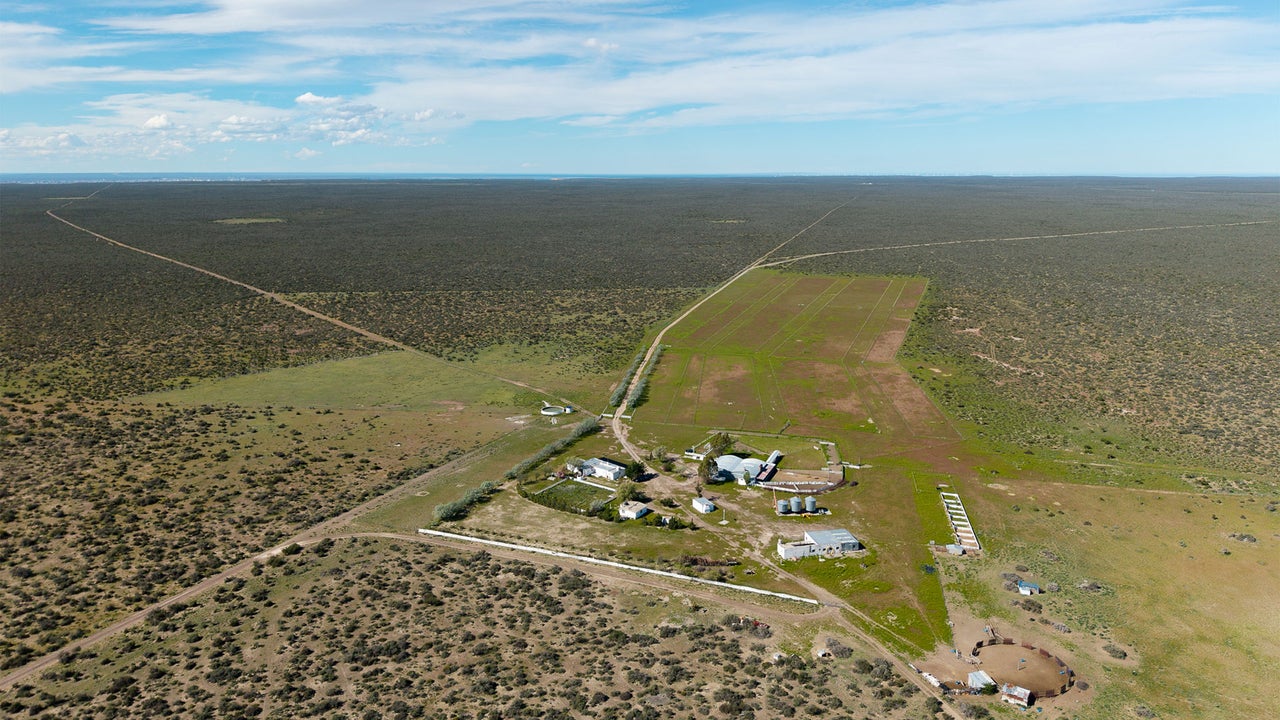
Geography plays a central role in this industrial strategy. The Patagonia region offers vast plains far from urban centers, providing the physical space needed for massive server farms. Fast Company notes that the cold climate reduces cooling costs for machinery, while the region’s intense winds and the Vaca Muerta shale deposit offer diverse power sources. Companies like Green Capital are already planning multi-billion dollar projects in the area, citing its competitive advantages over more populated global regions.
To solidify this appeal, the administration is seeking legislative approval for significant tax breaks. Under a proposed incentive scheme, corporate income tax would drop from 25 percent to 15 percent for emerging technology projects exceeding 1 billion dollars. Fast Company indicates that tech leaders from firms such as OpenAI, Oracle, and Crusoe have already engaged in high-level meetings with Argentine officials to discuss potential infrastructure developments.
Despite the enthusiasm, significant hurdles remain regarding the long-term viability of these projects. Local critics and some government insiders worry that a lack of rules regarding data privacy and copyright could deter certain investors who require clear legal frameworks. Furthermore, there are concerns that these data centers will function as digital islands, exporting their computing power abroad rather than bolstering the local economy or creating substantial employment for Argentine citizens.
The Industry Pulse Bottom Line
Argentina’s bid to become an AI haven rests on trading regulatory sovereignty for infrastructure investment. Success depends on whether tax breaks and Patagonia’s natural resources can outweigh the risks of chronic economic and political volatility.